

What Were the Golden Apples of the Hesperides? | Greek Myth, Symbolism, and Heracles’ Eleventh Labor
Learn what the Golden Apples of the Hesperides meant, how Heracles got them, and why the myth still matters in Greek symbolism.
 “Gold Facts & Myths” explores the fascinating world of gold, unraveling truths, dispelling common misconceptions, and revealing little-known insights. From ancient legends to modern-day investment realities, this category covers a broad range of topics, including the historical significance of gold, its role in global economics, and popular myths surrounding its value, purity, and uses. Dive into intriguing articles designed to educate, inform, and inspire anyone interested in understanding the allure and complexities of this timeless metal.
Learn what the Golden Apples of the Hesperides meant, how Heracles got them, and why the myth still matters in Greek symbolism.
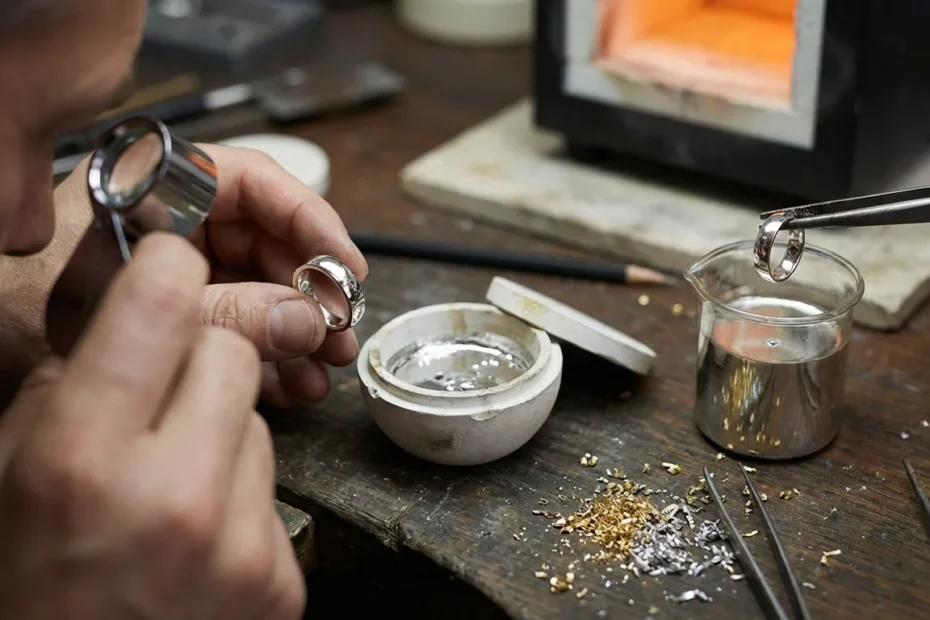
See whether white gold plating actually uses white gold, when it usually means rhodium, and how to read jewelry labels before you buy.
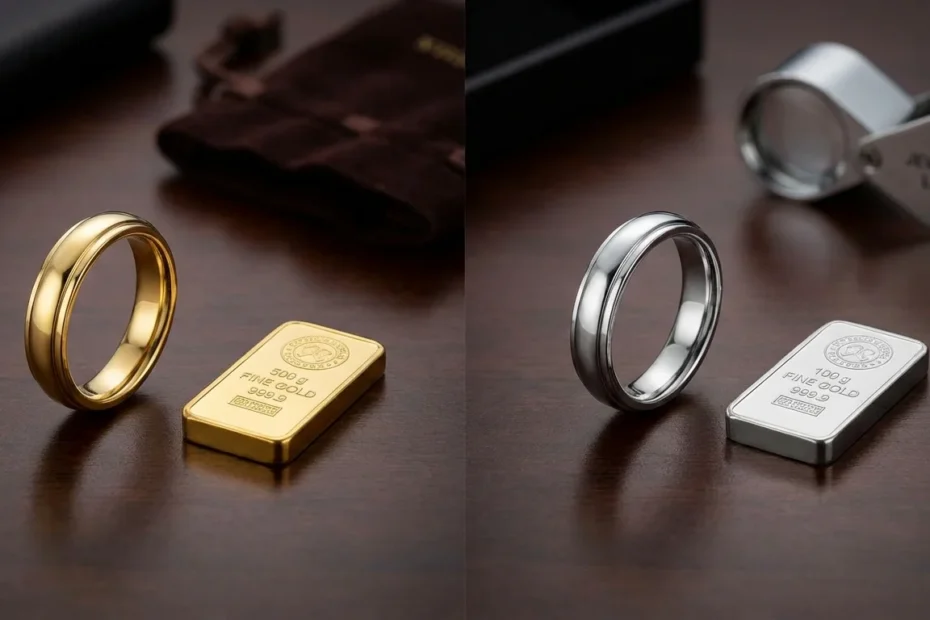
See when platinum is better than gold, when gold is smarter, and how maintenance, prongs, color, and cost change the answer.
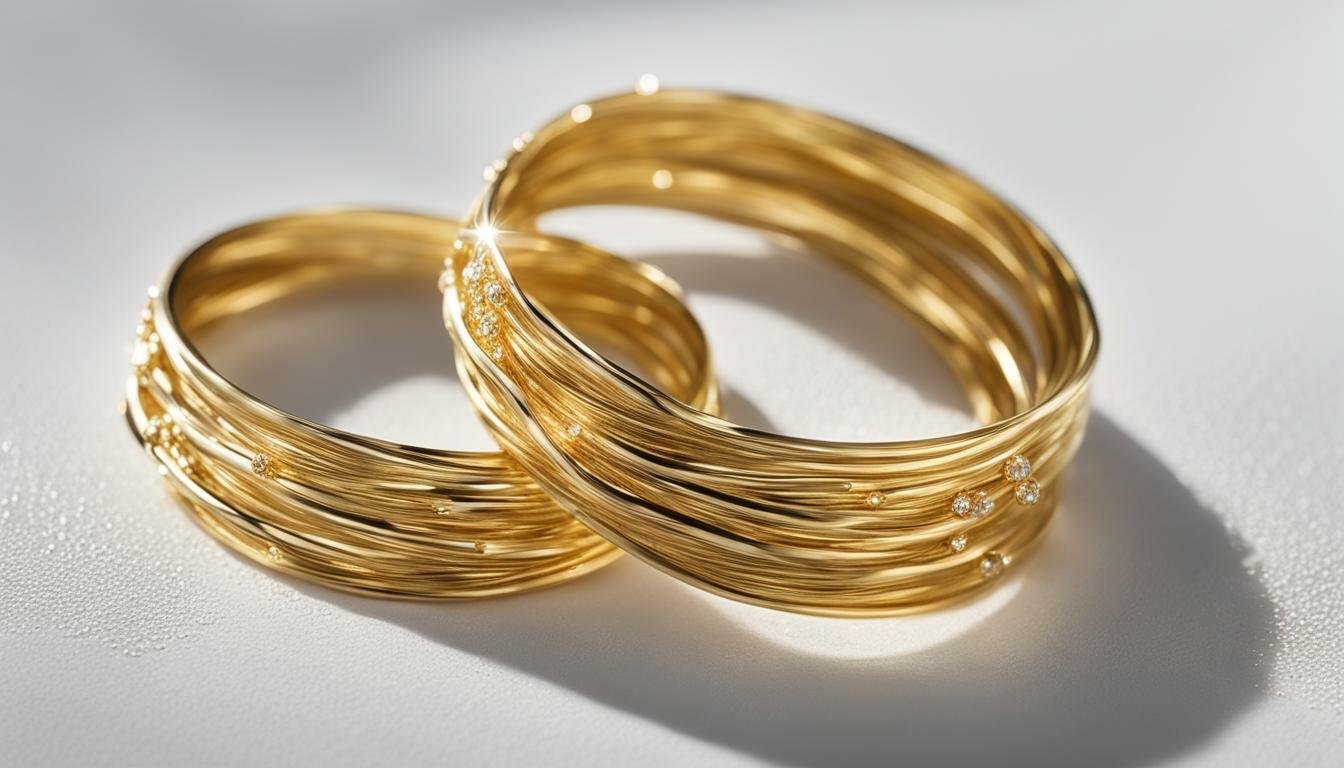
Can you wear gold vermeil in the shower? What happens, how fast it wears, and the better habit if you want your jewelry to last.
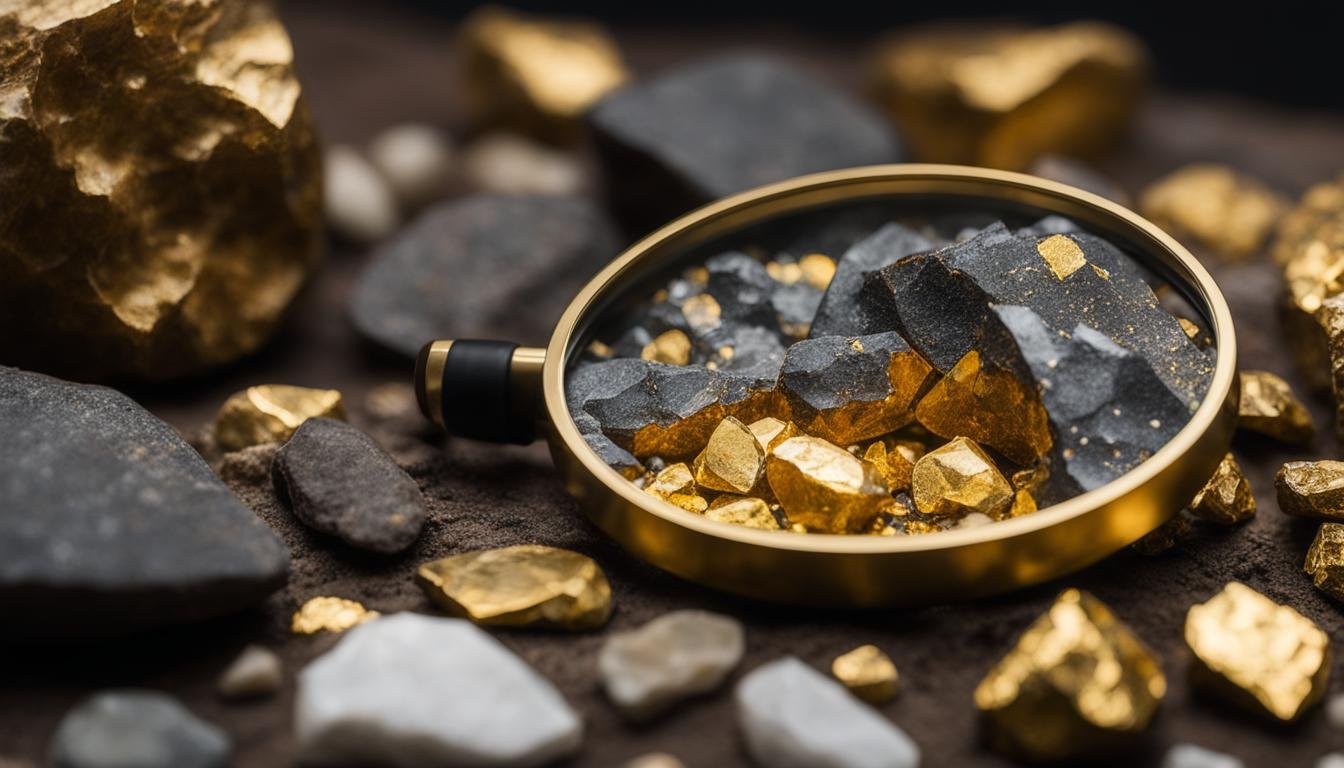
Learn how to identify gold ore using real field clues, common false positives, and the point where only assay can confirm a sample.

Learn why white gold rings turn yellow, where wear shows first, and when replating, inspection, or a metal change makes sense.
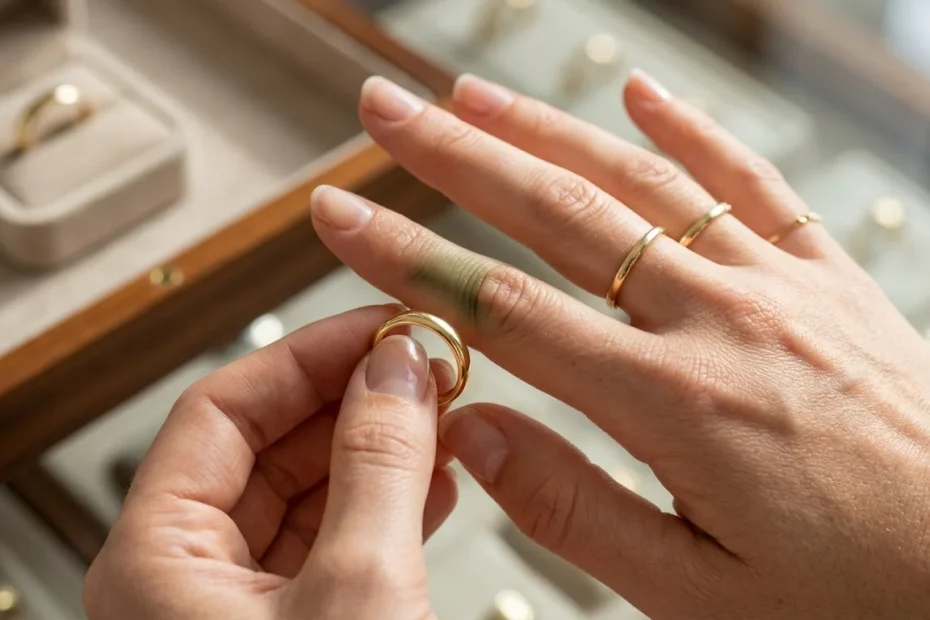
Does gold make your skin green? Learn how alloy metals, sweat, plating wear, and skin reactions cause discoloration and what to do next.
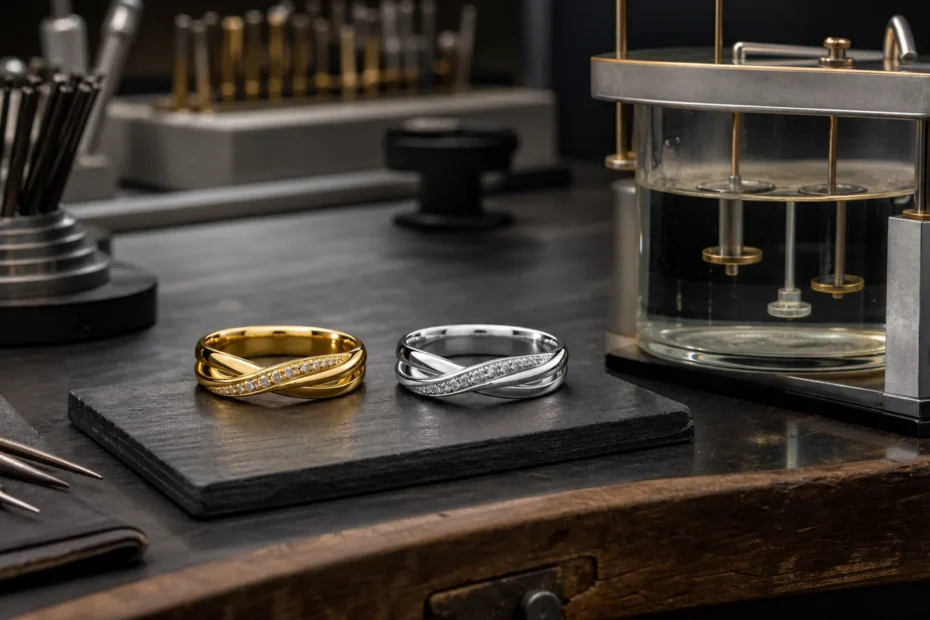
Yellow gold can be given a bright white surface with rhodium plating, but the underlying alloy remains yellow and the coating eventually wears. This guide… Read More »Can You Turn Yellow Gold Into White Gold? | Plating, Remaking, and Real Costs
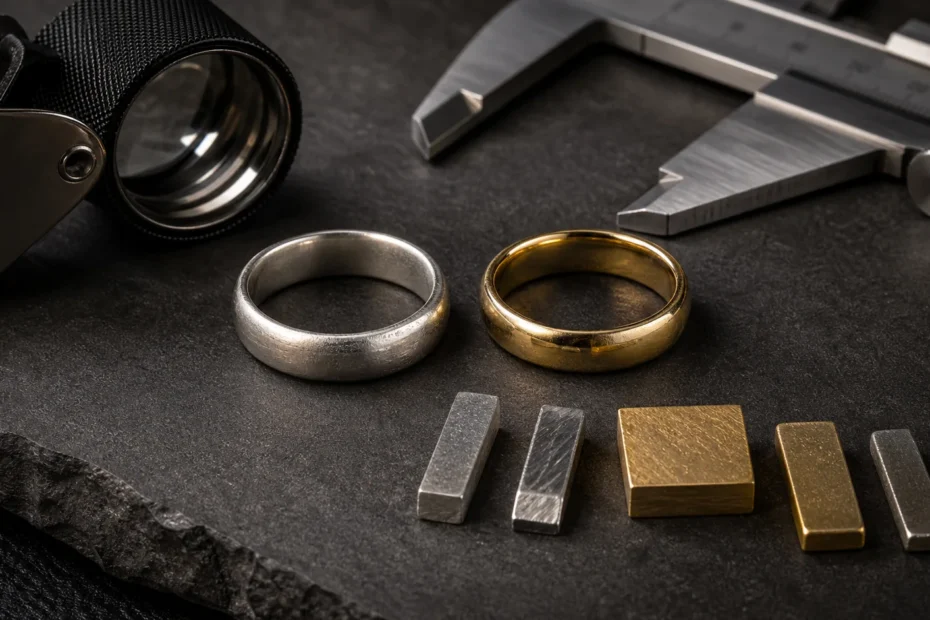
Silver is not universally stronger than gold because pure metals, sterling silver, and 14K, 18K, or 24K gold behave differently. This guide separates hardness, bending,… Read More »Is Silver Stronger Than Gold? | Alloys, Hardness, and Daily-Wear Reality
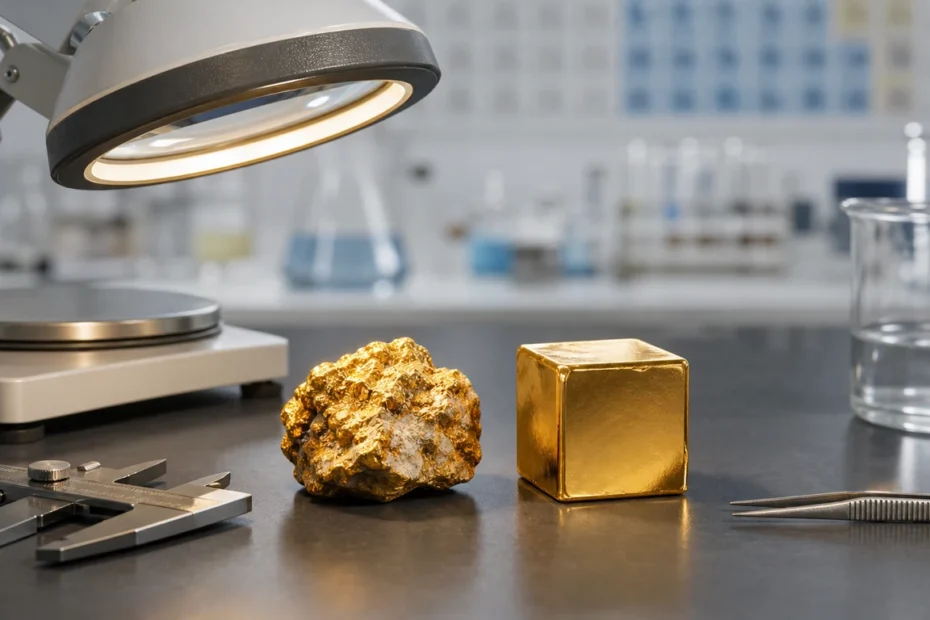
Yes, gold is the chemical element Au, atomic number 79. Learn how elemental gold differs from alloys, compounds, bullion purity, and jewelry labels.
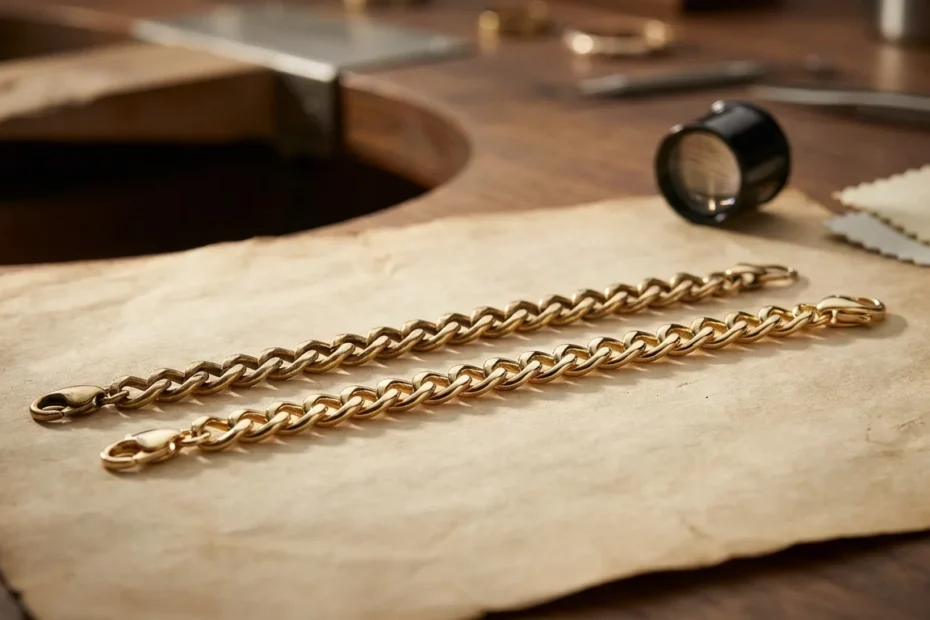
Gold-filled jewelry can last for years, but its real lifespan depends on piece type, friction, care, and whether you expect solid-gold-level durability.
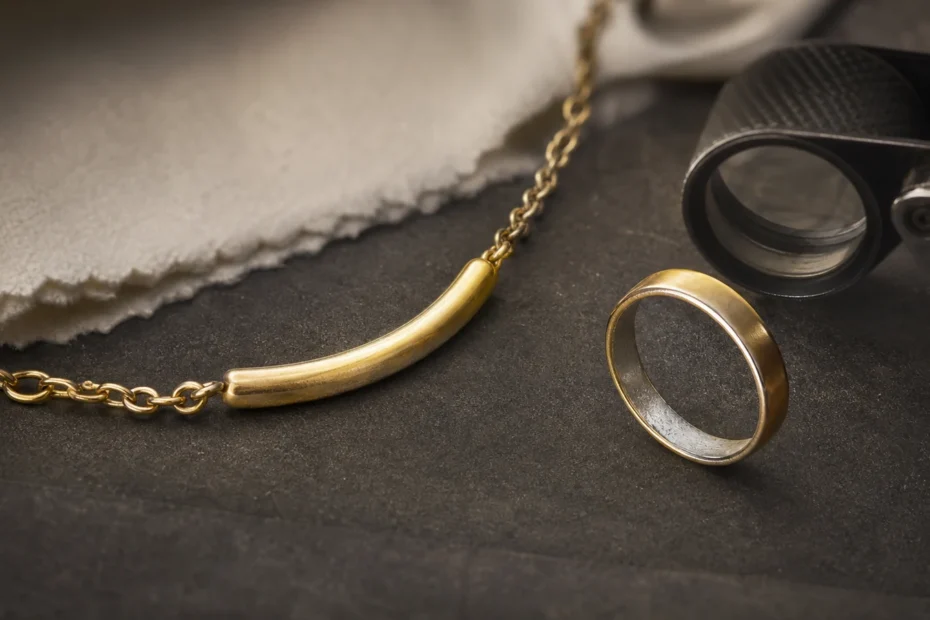
Gold vermeil can discolor as its coating wears or the silver beneath reacts. Learn the causes, safe care, buying checks, and repair limits.
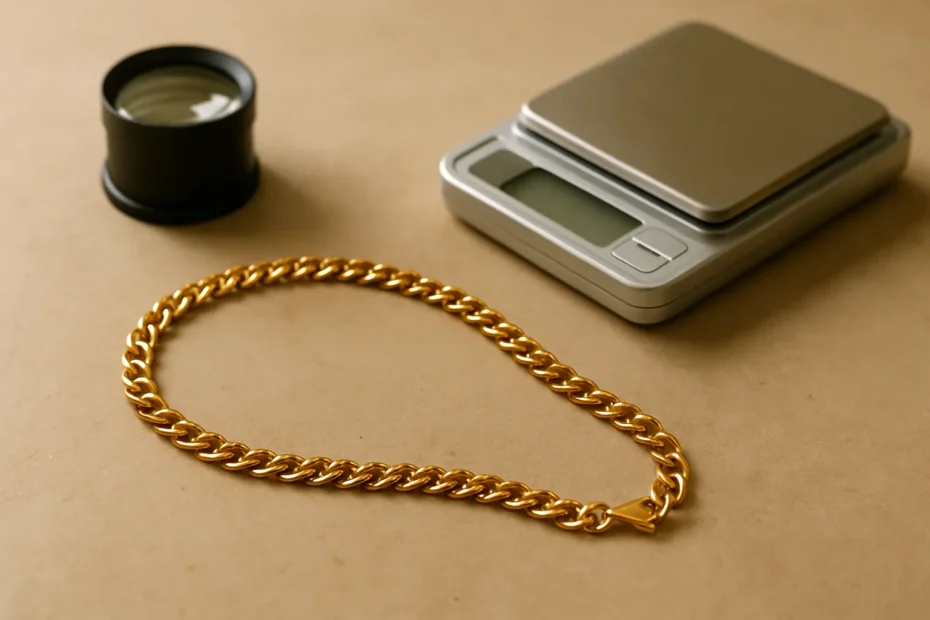
NuraGold markets genuine karat gold, but verify the exact listing, seller, weight, construction, hallmark, return terms, and delivered item.
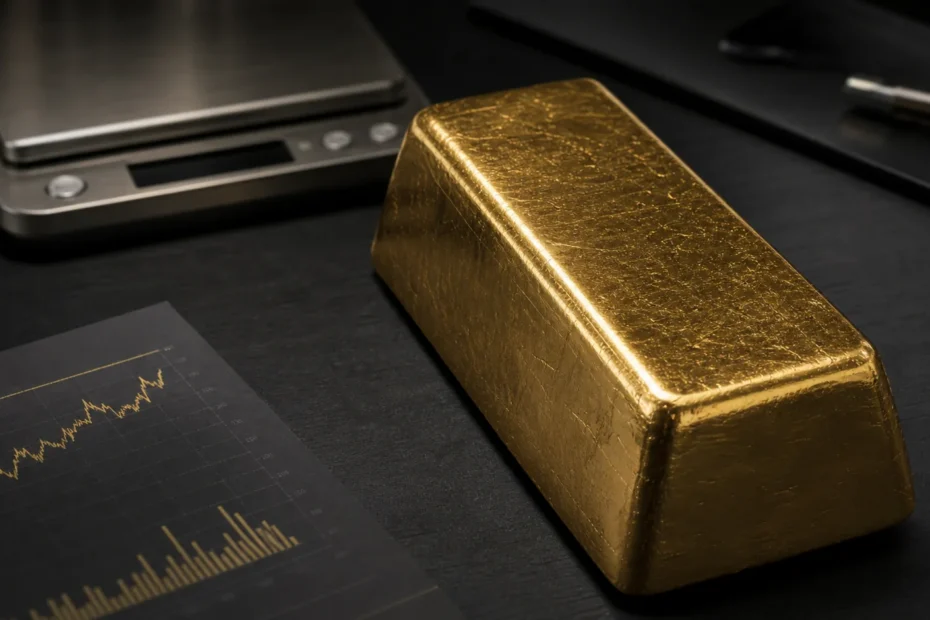
Calculate a 12 kg gold bar’s value from exact weight, fineness, and a timestamped price—then separate gross metal value from a real sale estimate.
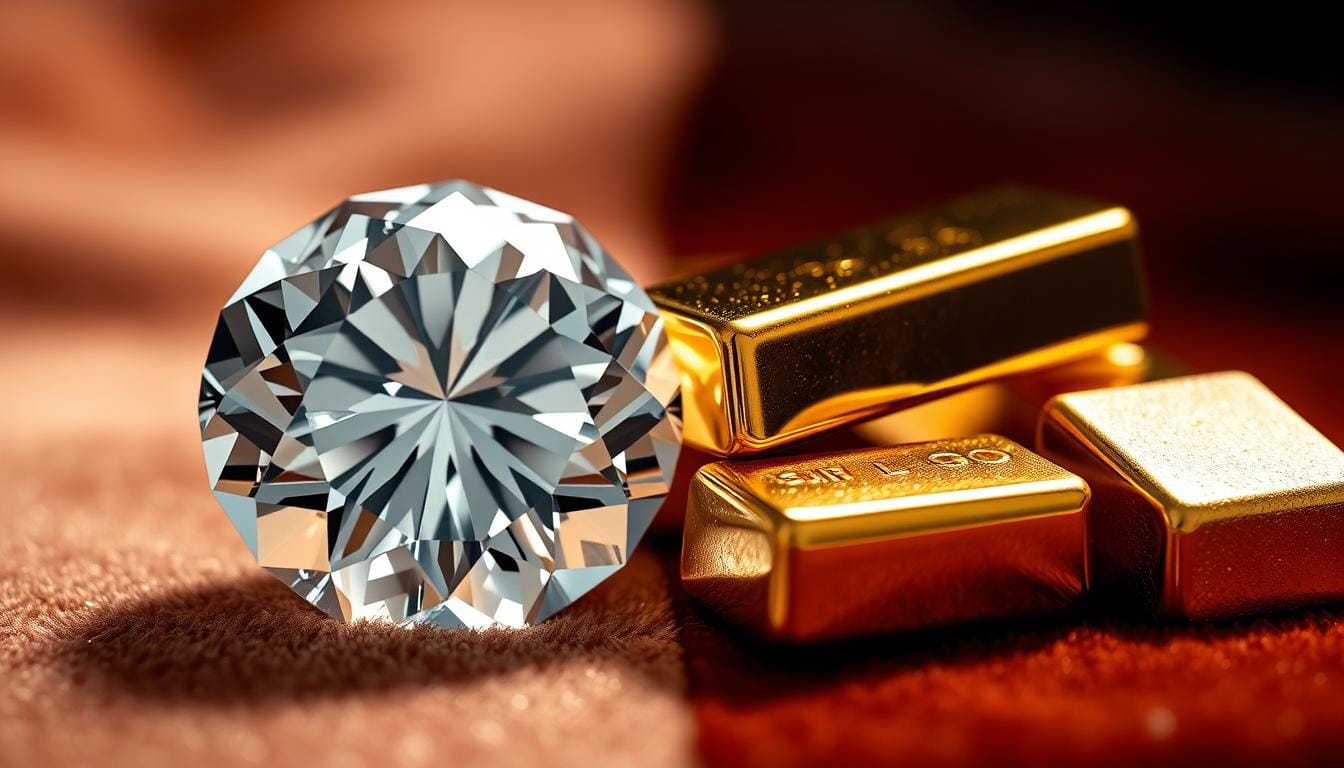
Is a diamond worth more than gold? Compare retail pricing, resale value, and liquidity to see which asset is actually stronger for your goal.

White gold usually looks warmer as rhodium wears and reveals the underlying alloy. See what is normal, what needs inspection, and when to replate.
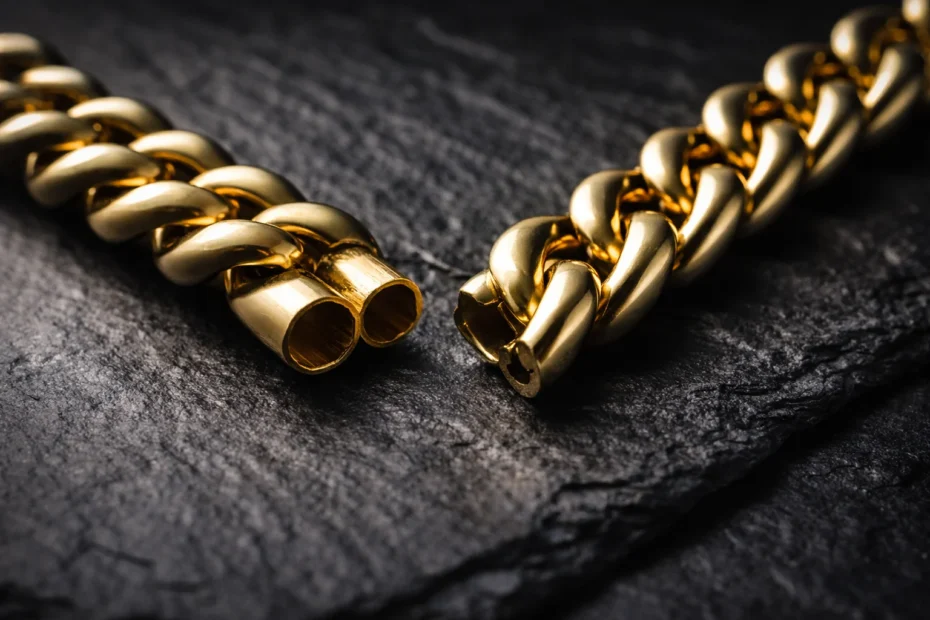
What is hollow gold? Discover the truth about its value, durability, and how it compares to solid gold in this expert jeweler’s guide to buying… Read More »The Expert Jeweler’s Guide to Hollow Gold: What You Must Know Before Buying
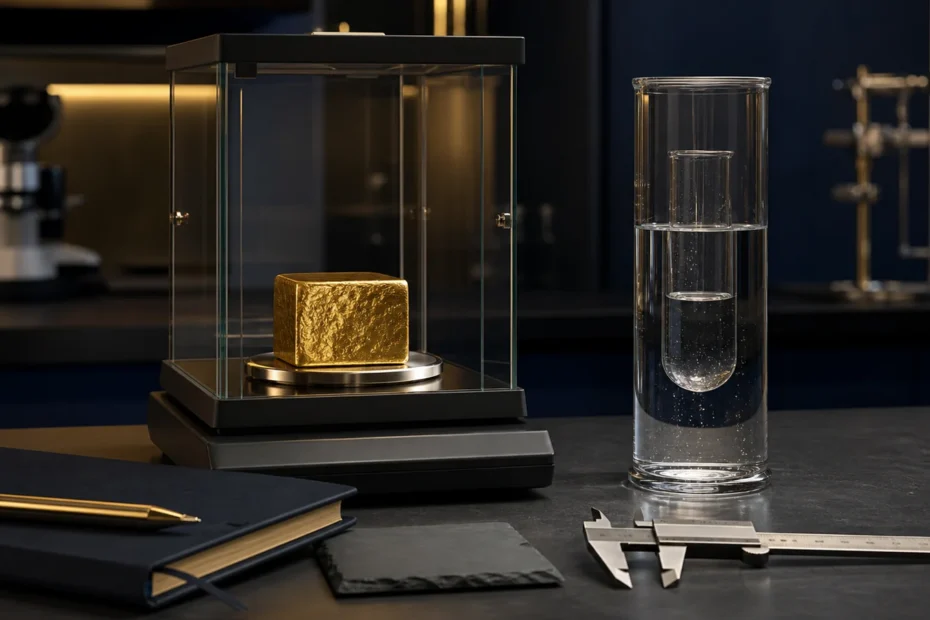
Pure gold has a density of about 19.32 g/cm³ near room temperature. See unit conversions, alloy effects, a water-displacement example, and test limits.
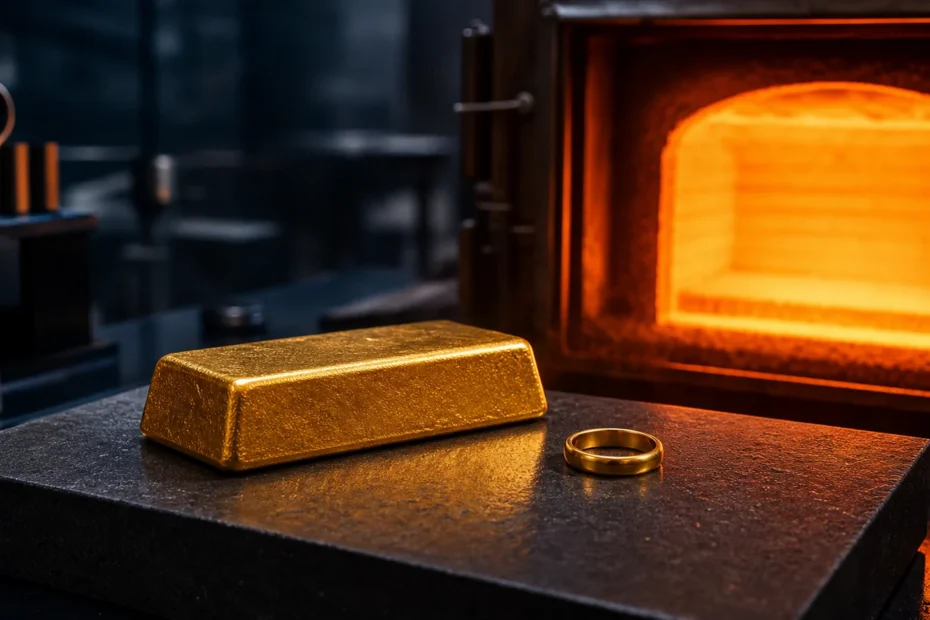
Bulk gold is not flammable in ordinary fire conditions, but it can melt at 1,064.18°C and jewelry can be damaged by alloys, solder, stones, coatings,… Read More »Is Gold Flammable? Fire, Melting Point, and Jewelry Safety
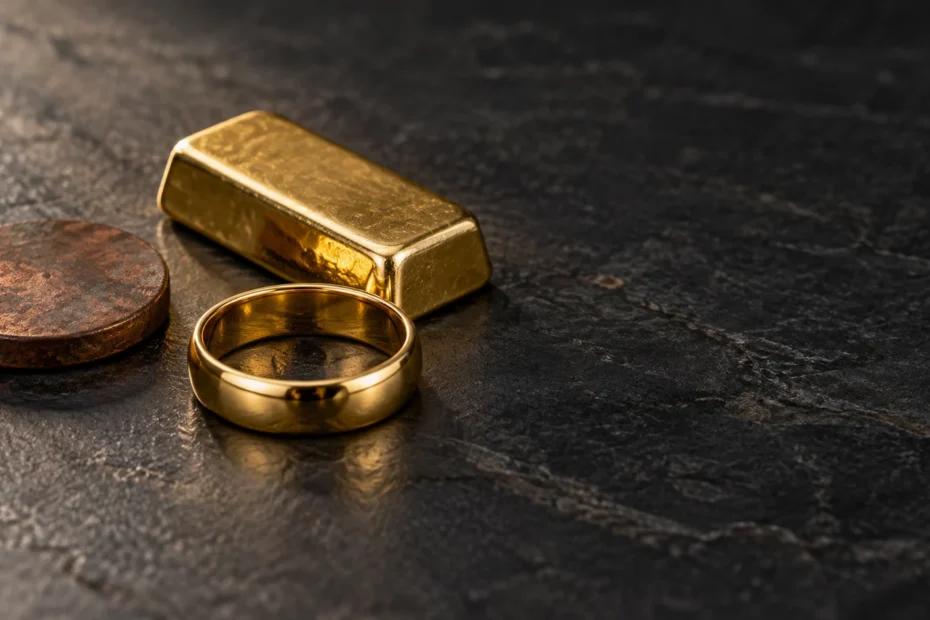
Gold cannot form iron rust. Learn why alloys and plating discolor, what red or dark spots may mean, and how to check an item safely.
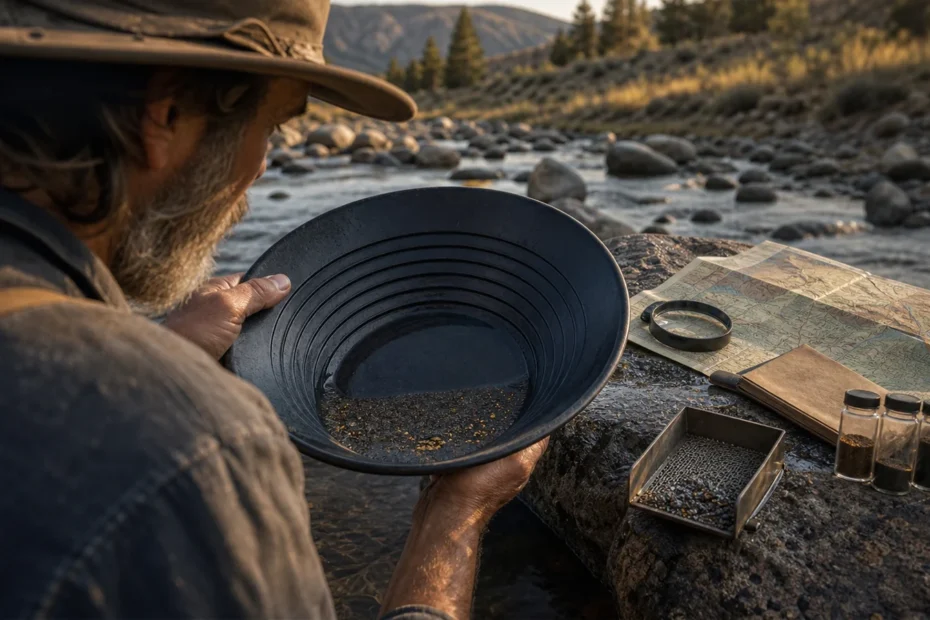
Detect possible gold without a metal detector by checking legal access, mining history, geology, placer traps, panning behavior, and—when needed—a qualified assay.
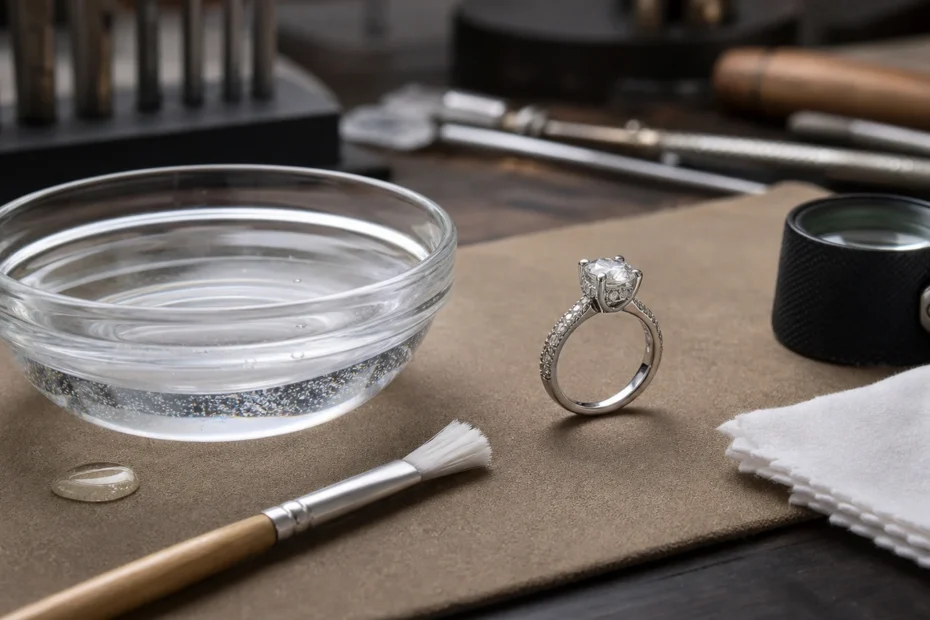
Clean most plain white gold with lukewarm water, mild soap, and a soft brush—but inspect stones and rhodium wear first. See what to avoid and… Read More »How to Clean White Gold Safely: Rhodium, Stones, and Care
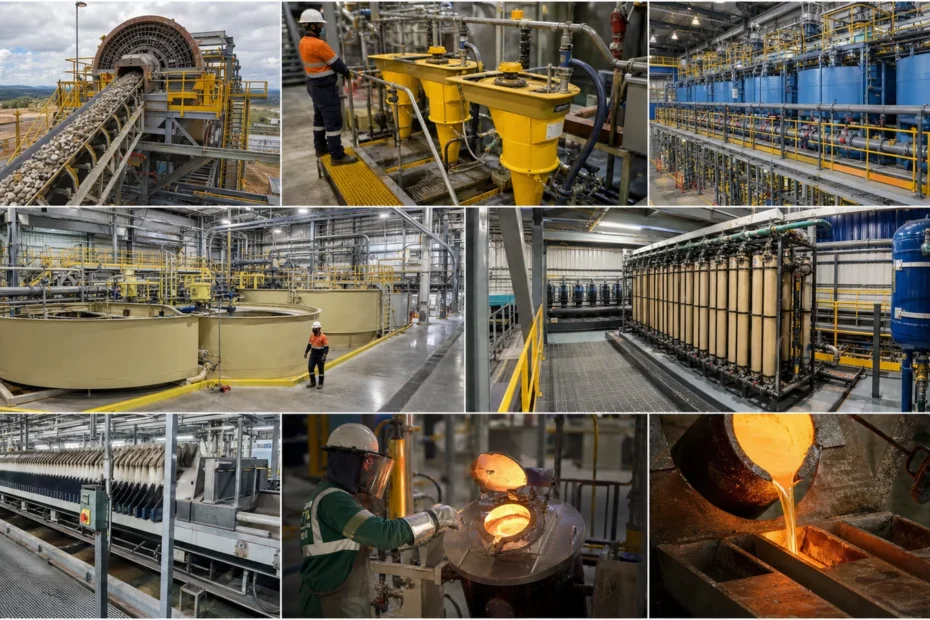
Gold extraction starts with ore characterization, then crushing, concentration or leaching, solution recovery, doré smelting, and refining—under strict controls.
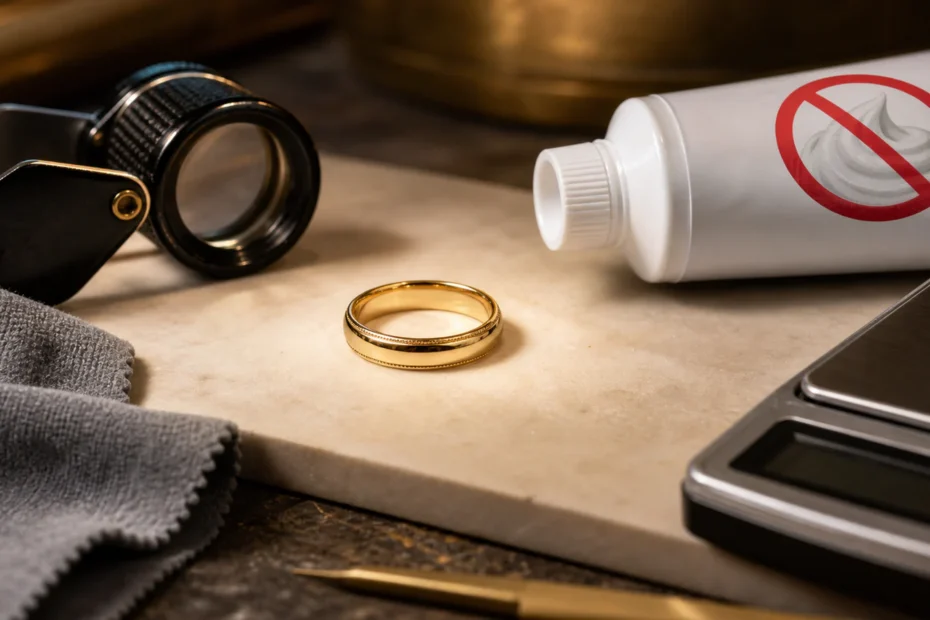
Toothpaste cannot determine gold purity. It can leave residue or micro-scratches and produce misleading color changes; use provenance, specifications, density and professional testing.

Gold is detectable, but a detector may not alarm. See how jewelry size, settings, depth, soil, and airport screening change the result.
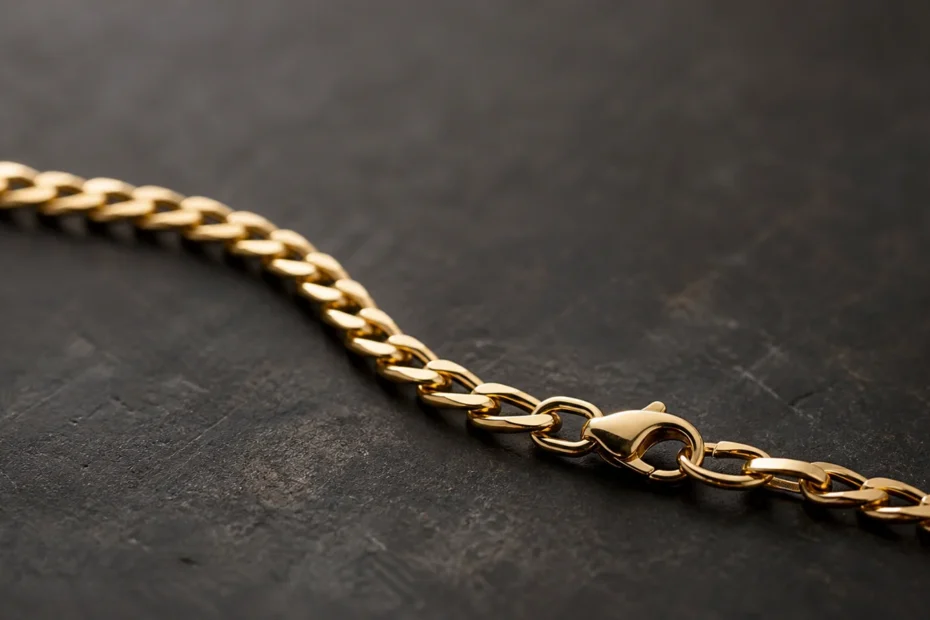
A gold chain can break under a whipping motion because shock loading concentrates force at its weakest link. Learn which construction details matter and when… Read More »Can You Break a Gold Chain by Whipping It? Strength Explained
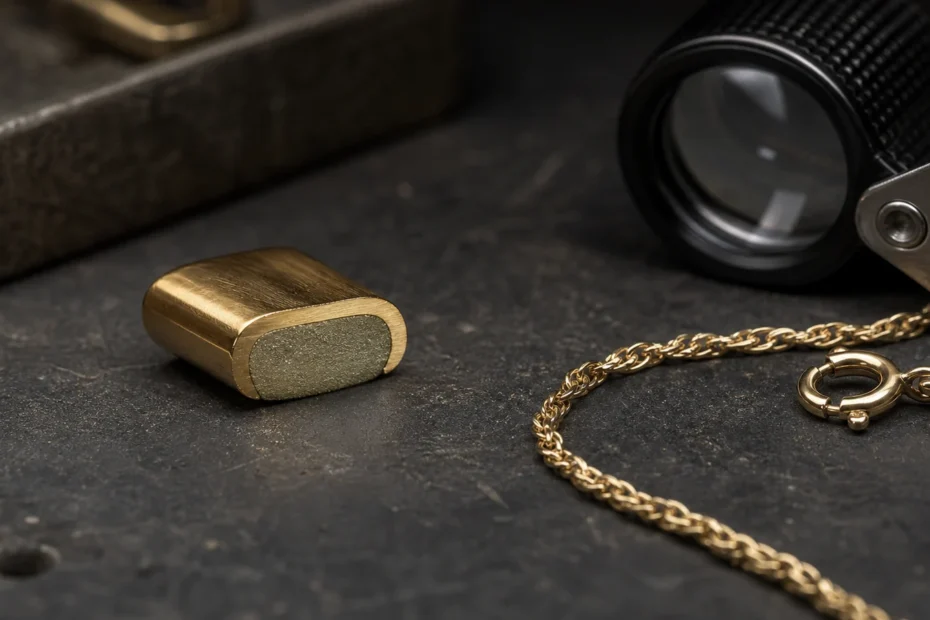
Gold-filled jewelry has a mechanically bonded karat-gold layer over a base-metal core. Decode the markings, compare it with plating and vermeil, and judge whether it… Read More »What Does Gold Filled Mean? Markings, Value, and Care
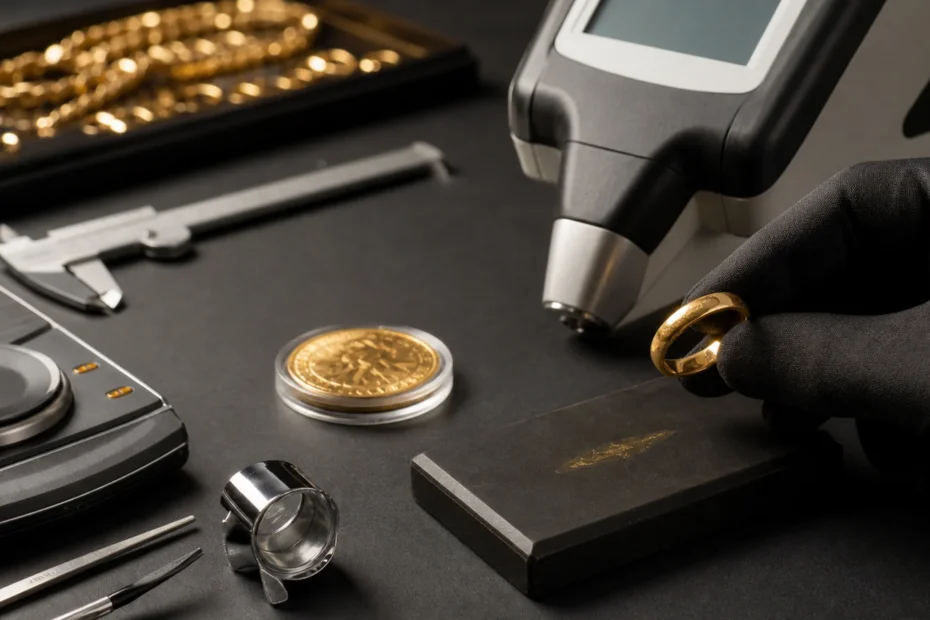
Check marks, provenance, weight and dimensions before using a magnet as a screen. Learn what each step can show—and when a jeweler or XRF test… Read More »How to Tell If Gold Is Real: Safe At-Home Checks
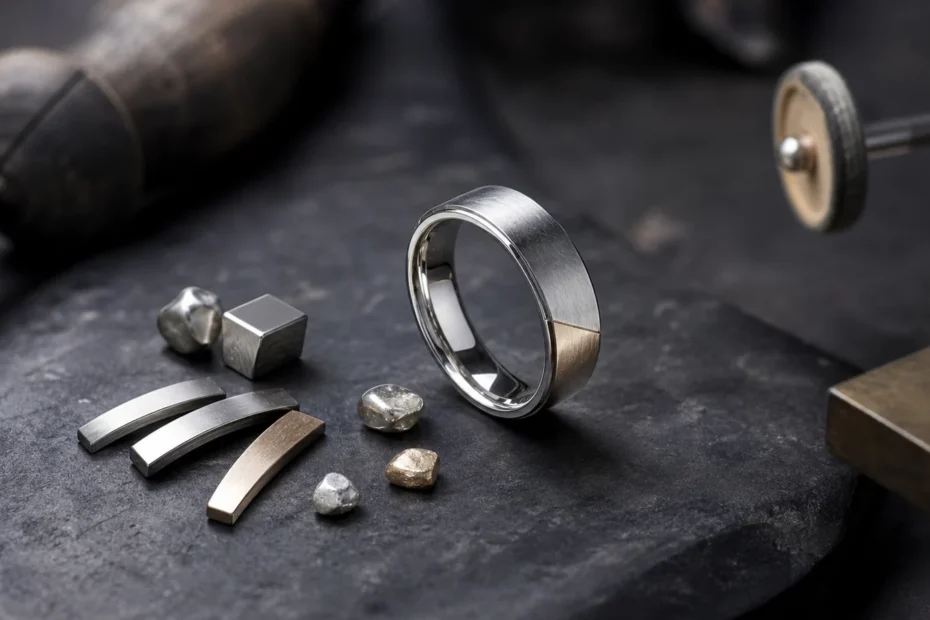
White gold is a gold alloy made paler with metals such as nickel or palladium and often finished with rhodium. Compare 14K, 18K and platinum… Read More »What Is White Gold? Alloys, Rhodium, and Buying Guide
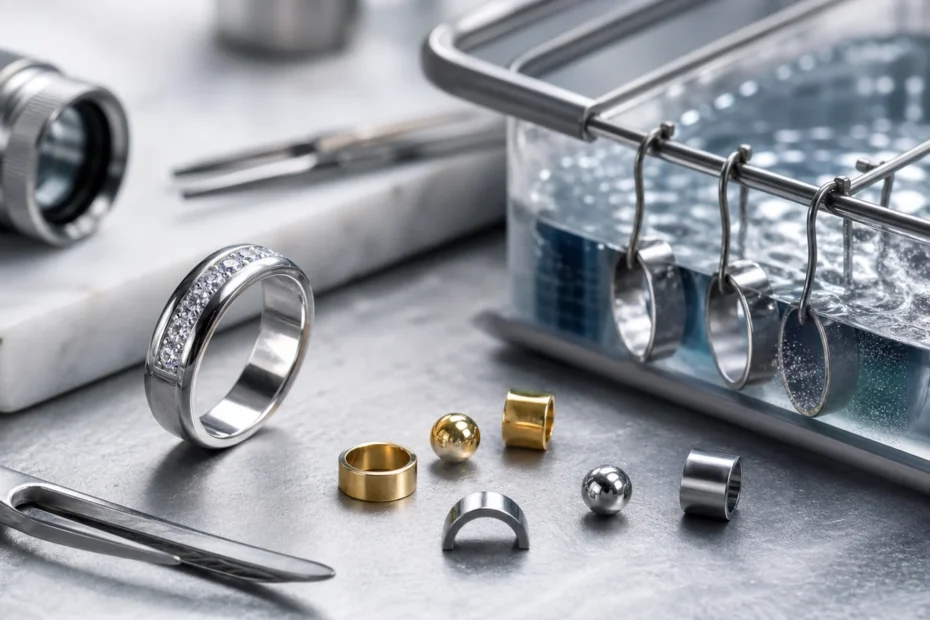
White gold is gold alloyed with metals such as nickel or palladium and often rhodium plated. Compare 14K, 18K, allergies, maintenance and hallmarks.