
Gold Companies
Compare miners, royalty companies, explorers, refiners, dealers, and storage providers by the risk they actually create. The goal is not to find a famous name first, but to match the company type with the gold exposure you want.
Do not compare all gold companies as one category.
A gold producer, a royalty company, and a bullion dealer can all benefit from gold demand, but the risks are completely different. Start by identifying what the business actually does.
Physical ownership
Best compared through bullion, storage, delivery, insurance, and documentation.
Mining equity
Driven by gold price, costs, production, reserves, management, and jurisdiction.
Royalty exposure
Often less operationally exposed, but dependent on partner mines and contract terms.
Exploration upside
Speculative and financing-heavy until a deposit becomes economically mineable.
Industry terms that make company comparisons more useful.
These terms help you read filings and company presentations without treating every gold stock, dealer, or royalty business as the same kind of exposure.
What kind of gold company are you actually looking at?
The business model tells you which numbers matter. A miner needs mine-level economics. A royalty company needs contract quality. A dealer or vault provider needs trust, custody, and spread transparency.
Senior or mid-tier miner
Operates mines and sells produced gold. Check production, AISC, reserves, mine life, debt, and country risk.
Royalty or streaming company
Receives royalty revenue or future metal streams. Check partner mines, contract terms, asset concentration, and valuation.
Developer or explorer
Searches for deposits or advances projects. Check geology, permits, feasibility, cash runway, and financing dilution.
Bullion dealer
Sells physical coins or bars. Check premiums, buyback terms, shipping, payment rules, and product documentation.
Vault or storage provider
Stores allocated or pooled metal. Check legal title, audits, insurance, withdrawal rules, and fees.
Refiner or processor
Processes metal into accepted forms. Check accreditation, sourcing controls, chain of custody, and assay standards.
Royalty and streaming companies are related, but not identical.
Both models can provide gold exposure without directly operating the mine. The contract mechanics matter because they affect upside, downside, counterparty risk, and how revenue responds to gold prices.
What makes a gold miner stronger or weaker?
Gold miners are operating businesses. The gold price matters, but ore grade, recovery, energy, labor, taxes, sustaining capital, and permitting can change the result.
Large gold companies readers often compare.
These are examples for research, not recommendations. Verify the latest annual report, reserve statement, production guidance, and financial statements before acting.
A reference point for large-cap global gold production, portfolio scale, and post-acquisition integration.
Often compared for tier-one assets, joint ventures, copper exposure, and global operating discipline.
Useful for comparing high-quality operating regions, mine-life planning, and Canadian exposure.
A cleaner way to study royalty exposure without assuming it behaves like a mine operator.
Helpful for comparing metal purchase agreements, counterparty mine exposure, and commodity mix.
A useful example of diversified producer risk where jurisdiction and free cash flow matter.
A major royalty company to compare when separating contract exposure from direct mine operation.
A global producer useful for comparing regional exposure, mine mix, and cross-border operating complexity.
A useful producer example when comparing Africa, Australia, and project-development exposure.
Use current data, but do not let stale numbers drive the decision.
Production, reserves, AISC, debt, and market capitalization change. Use this page to know what to pull from the latest annual report, quarterly update, or investor presentation instead of relying on an old ranking table.
Production
Check annual attributable gold production and whether guidance was met, missed, or revised.
Reserves
Compare proven and probable reserves, grade, reserve life, and replacement trend.
AISC
Review All-In Sustaining Costs and whether cost inflation is faster than revenue growth.
Valuation
Use market capitalization and enterprise value only after checking debt, cash flow, and asset quality.
Regulatory checks depend on the company type.
A miner, refiner, dealer, and vault provider do not answer to the same checks. The strongest comparison uses the right standard for the business model.
Choose the company type by the risk you actually want.
A gold company is not automatically a cleaner substitute for bullion. Pick the exposure based on the risk you are willing to understand and monitor.
I want physical gold exposure
Start with bullion, dealer spreads, storage, insurance, and documentation. Mining-company shares are not the same thing as owning metal.
I want gold-price leverage
Research producers, costs, reserves, production guidance, and balance sheets. The share can outperform or underperform gold sharply.
I want less mine-operation risk
Compare royalty and streaming companies, but still review contract quality, partner mines, asset concentration, and valuation.
Practical rule: if you cannot explain whether the risk is bullion price, mine execution, exploration financing, custody, or counterparty risk, the company comparison is not ready yet.



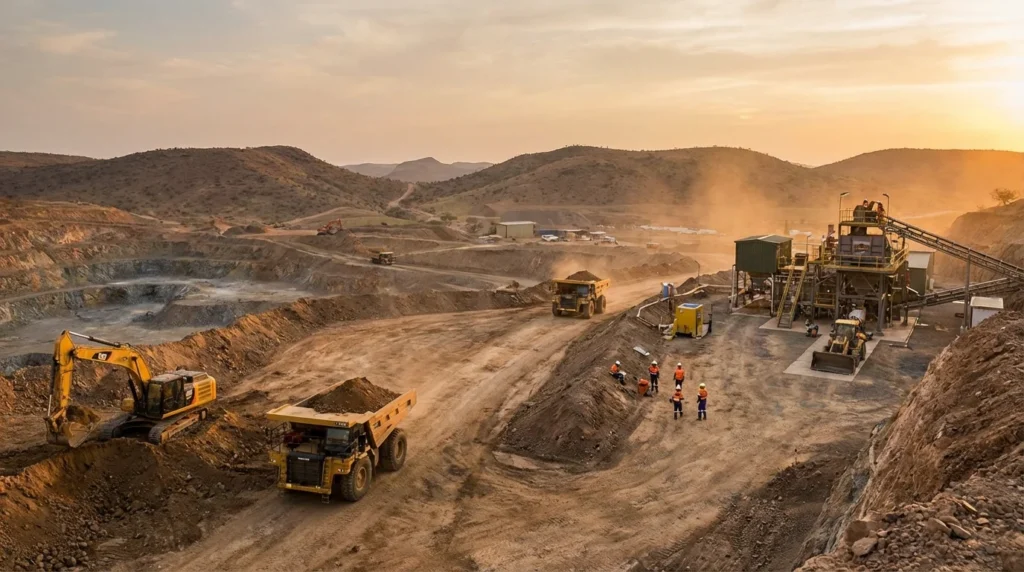



Check company claims against primary sources.
Company pages can become stale quickly. Verify current production, reserves, costs, and risk factors from primary filings and recognized market sources before relying on a comparison.
FAQ: gold companies
What is a gold company?
A gold company can be a miner, explorer, royalty or streaming company, refiner, dealer, or storage provider. The most important first step is identifying the business model because each type carries different risks.
Are gold mining companies the same as owning gold?
No. Gold mining shares are equity interests in operating businesses. They can be influenced by gold prices, but also by costs, reserves, management, debt, mine accidents, taxes, permits, and investor sentiment.
What is the most important metric for gold miners?
No single metric is enough. Start with production, all-in sustaining costs, reserves, mine life, jurisdiction, debt, and capital spending. Then compare those numbers with current gold-price assumptions.
Are royalty companies safer than miners?
They can have less direct operating exposure, but they are not risk-free. Royalty and streaming companies depend on partner mines, contract quality, asset concentration, commodity mix, and valuation.
Where should beginners start?
Start by deciding whether you want physical gold, gold-price equity leverage, or company-specific speculation. Then compare bullion and storage guides with mining-company filings before choosing a route.