

Best Gold Coin Storage | Capsules, Tubes, Boxes, and Safe Organization
Choose capsules, tubes, boxes, and secure storage for gold coins without exposing surfaces to scratches, PVC, moisture, or handling damage.

Dive into the fascinating world of gold coins and numismatic collectibles with GoldConsul’s in-depth informational hub.
Here, you’ll find expertly researched articles, historical overviews, and collecting guides—everything you need to understand, appreciate, and track the value of your favorite gold issues:
Historical Context & Provenance
Explore the origins of iconic gold coins—from ancient dynastic issues and legendary sovereigns to modern bullion struck for anniversaries—complete with mint-mark details, design evolution, and key milestones.
Numismatic Guides & Grading Insights
Learn how to read coin pedigrees, interpret grading-service reports, and spot hallmarks of authenticity. Our step-by-step tutorials and visual breakdowns help both newcomers and seasoned collectors hone their eye for quality.
Market Trends & Valuation Tools
Stay informed on gold-price movements, scarce-issue premiums, and emerging collecting niches. Reference our curated price charts, auction results, and expert commentary to gauge where today’s market is heading.
Collector Resources & FAQs
Browse our glossary of numismatic terms, downloadable checklists, and answers to the most common questions—whether you’re researching Morgan dollars, Gold Eagles, or rare commemoratives.
GoldConsul’s Gold Coins & Collectibles category is your go-to resource for reliable, jargon-free information. Start exploring today and deepen your understanding of these enduring treasures.
Choose capsules, tubes, boxes, and secure storage for gold coins without exposing surfaces to scratches, PVC, moisture, or handling damage.
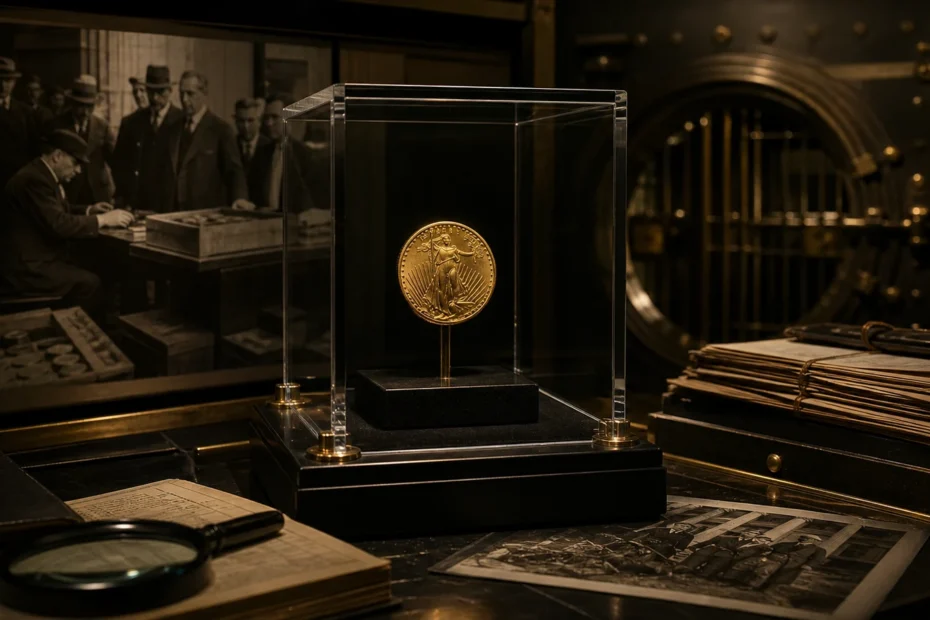
Understand the 1933 Double Eagle: 445,500 struck, none issued, surviving coins, the unique private-ownership case, and record value.

Find old coins legally using private permission, historical maps, coin rolls, estates, shows, and location-specific detecting rules.

A U.S. $100 gold coin usually means a one-ounce 24-karat American Liberty issue. Identify country, metal, year, specs, condition, and packaging before valuing it.
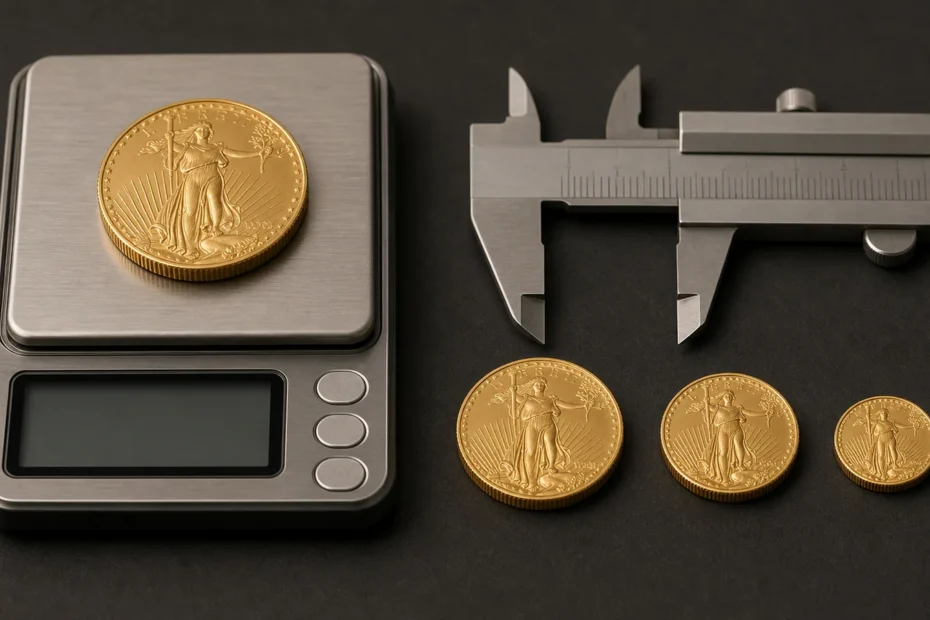
American Gold Eagles weigh more than their stated fine-gold size because they are 22K. Compare official gross grams, fine gold, diameter, face value, and checks.
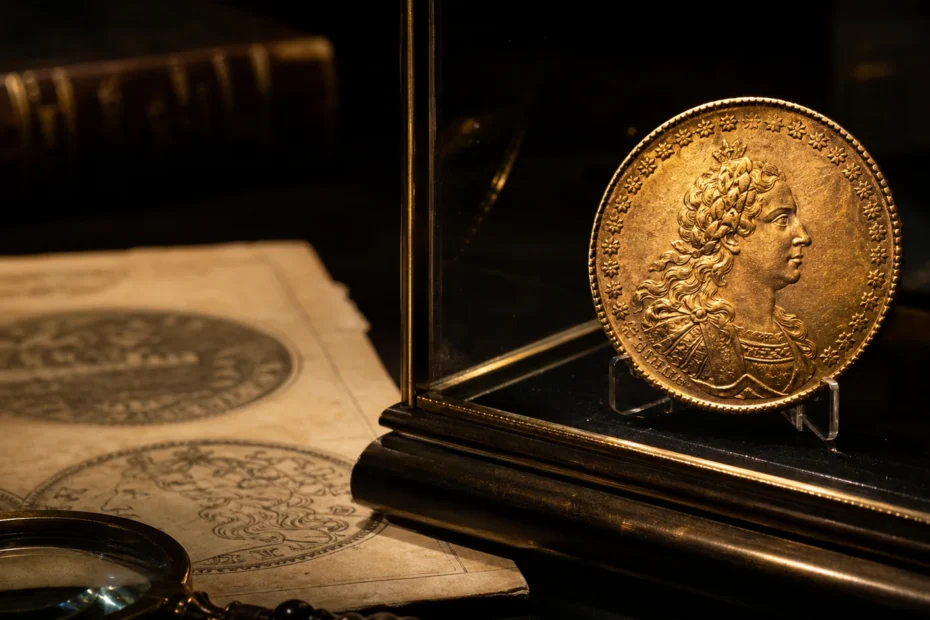
The most valuable gold coins are not necessarily the largest or those containing the most bullion. Public records are usually driven by an exceptional combination… Read More »Most Valuable Gold Coins | Verified Auction Records and Why They Matter