
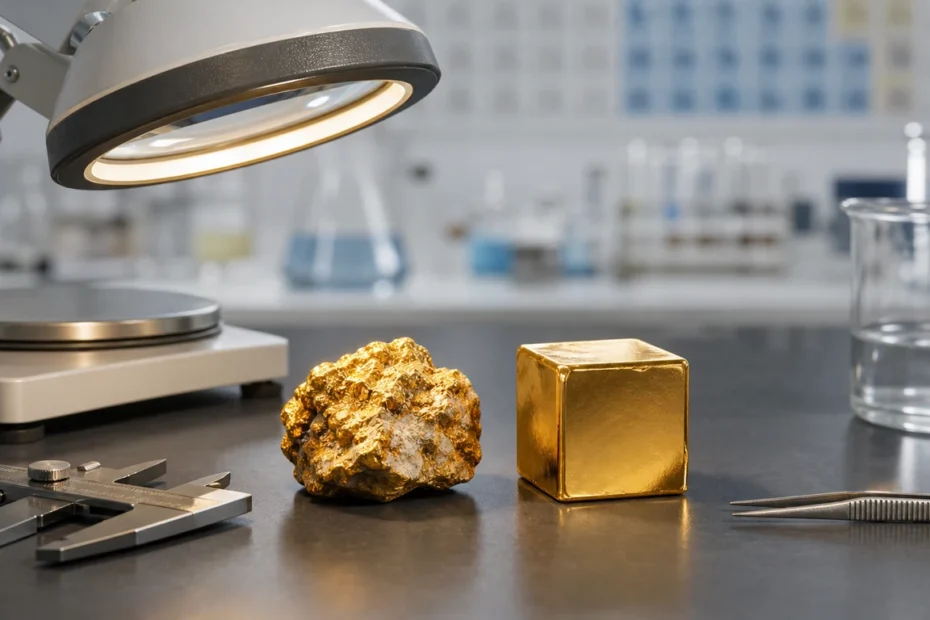
Is Gold an Element? | Atomic Number 79, Au, and Alloy Reality
Yes, gold is the chemical element Au, atomic number 79. Learn how elemental gold differs from alloys, compounds, bullion purity, and jewelry labels.
Yes, gold is the chemical element Au, atomic number 79. Learn how elemental gold differs from alloys, compounds, bullion purity, and jewelry labels.
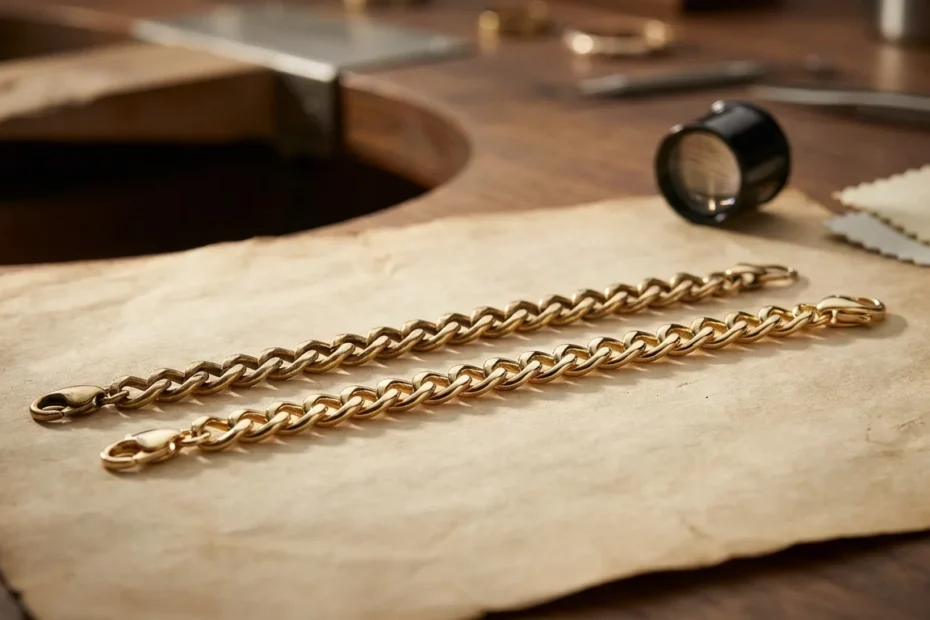
Gold-filled jewelry can last for years, but its real lifespan depends on piece type, friction, care, and whether you expect solid-gold-level durability.
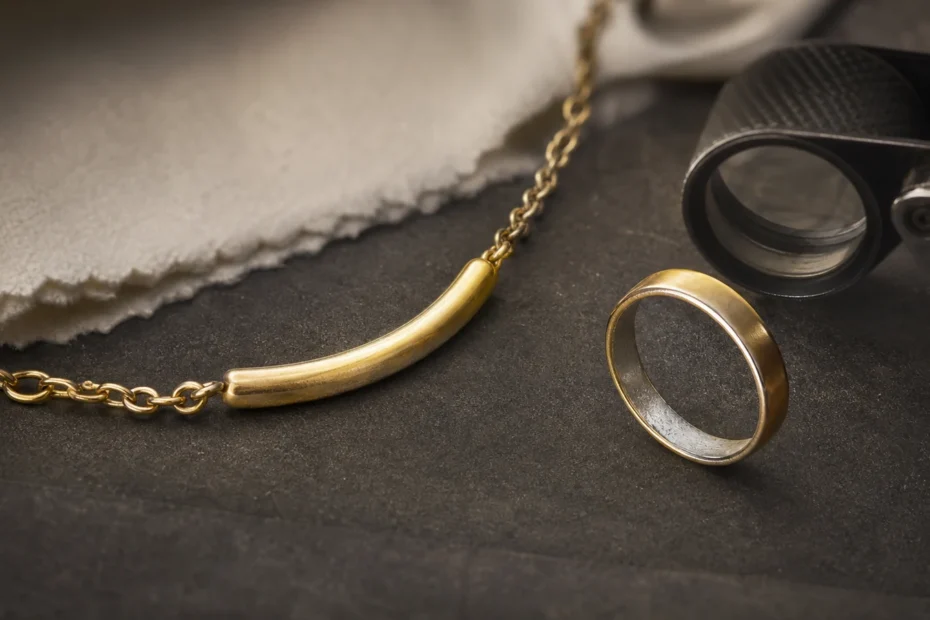
Gold vermeil can discolor as its coating wears or the silver beneath reacts. Learn the causes, safe care, buying checks, and repair limits.

Gold jewelry can be cheaper in Mexico, but compare fine-gold grams, labor, exchange fees, taxes, documentation, and import costs before buying.

Roosevelt ended domestic gold convertibility; Nixon closed the gold window in 1971. See the complete U.S. gold-standard timeline.
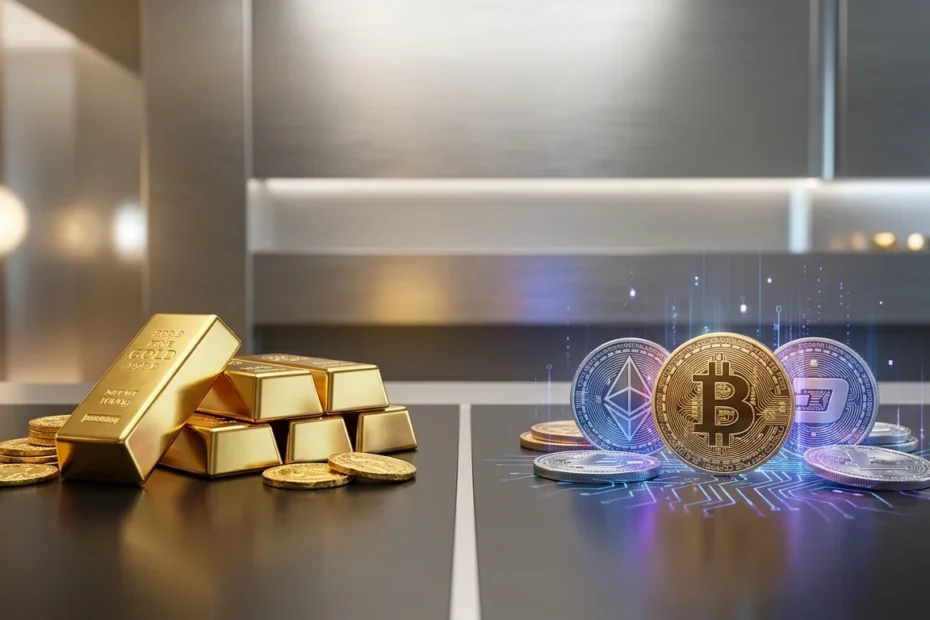
Compare gold and Bitcoin using volatility, drawdowns, liquidity, custody, and a portfolio-loss worksheet—not subjective scores or winner-takes-all claims.
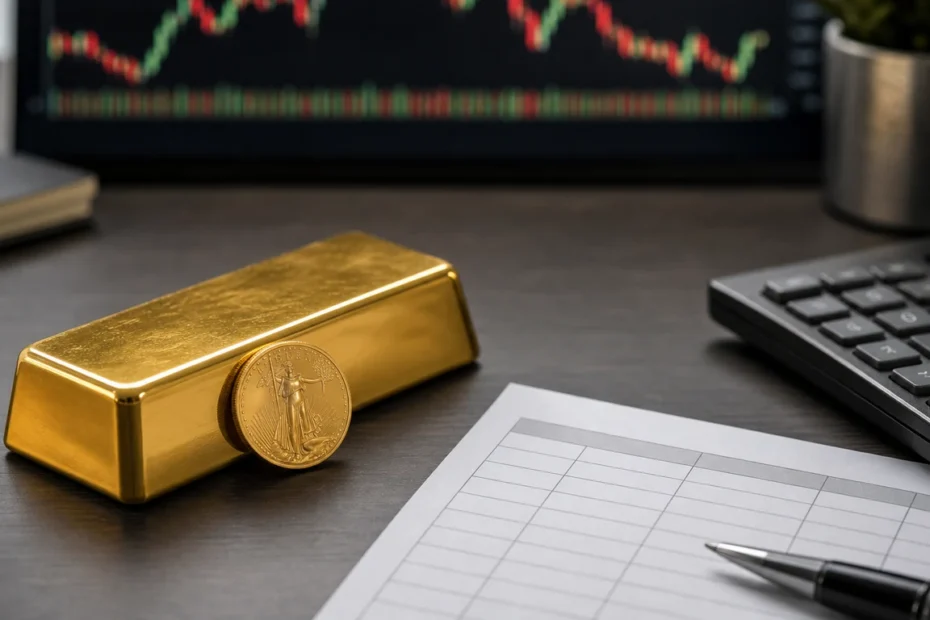
Gold today explained without a misleading live quote: verify the benchmark timestamp, then compare premiums, fees, spreads, and the price you can sell for.
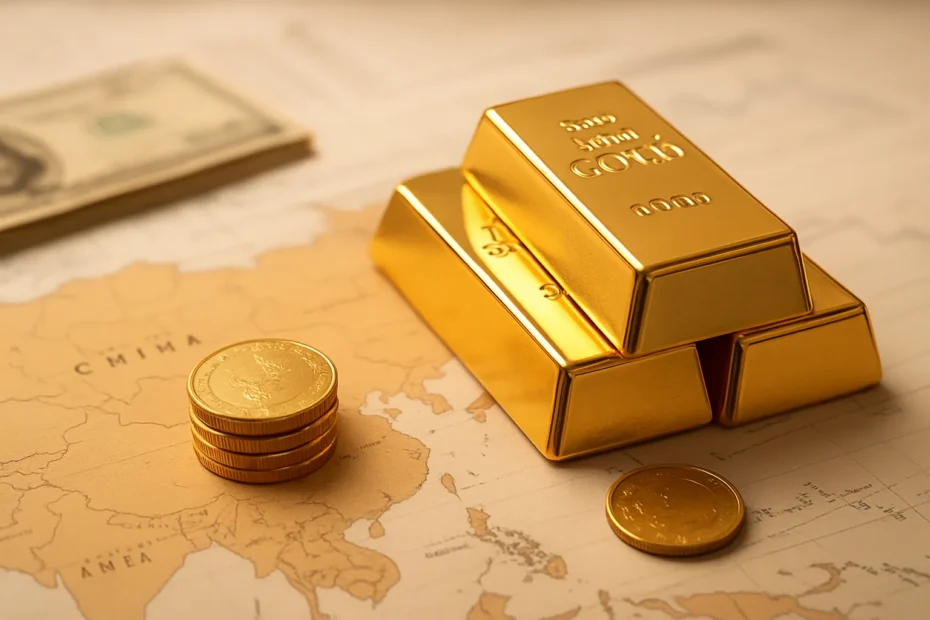
Emerging-market gold demand is not one trend. See dated 2026 evidence from India and China, separated by jewelry, investment, ETF, and central-bank demand.
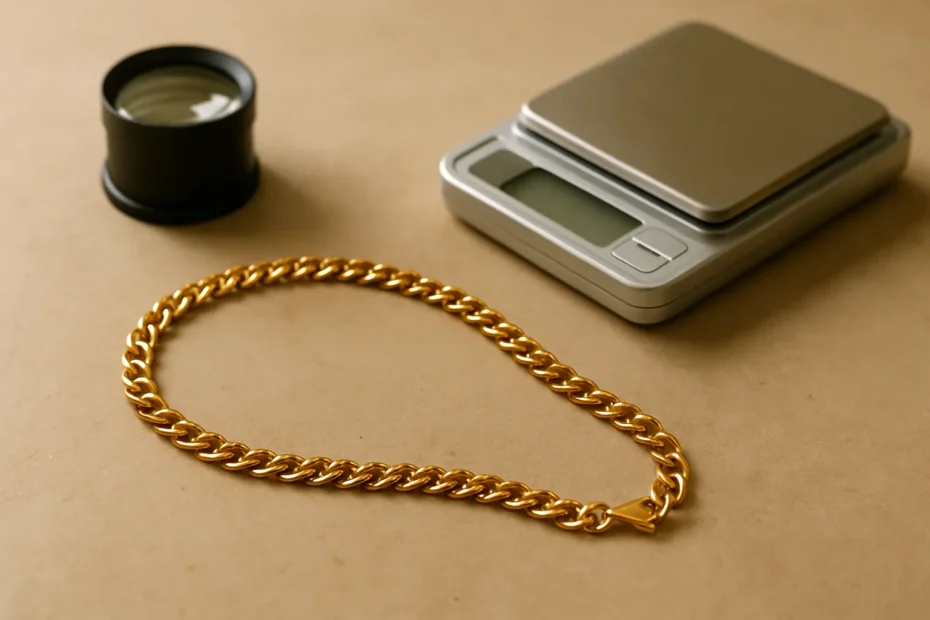
NuraGold markets genuine karat gold, but verify the exact listing, seller, weight, construction, hallmark, return terms, and delivered item.
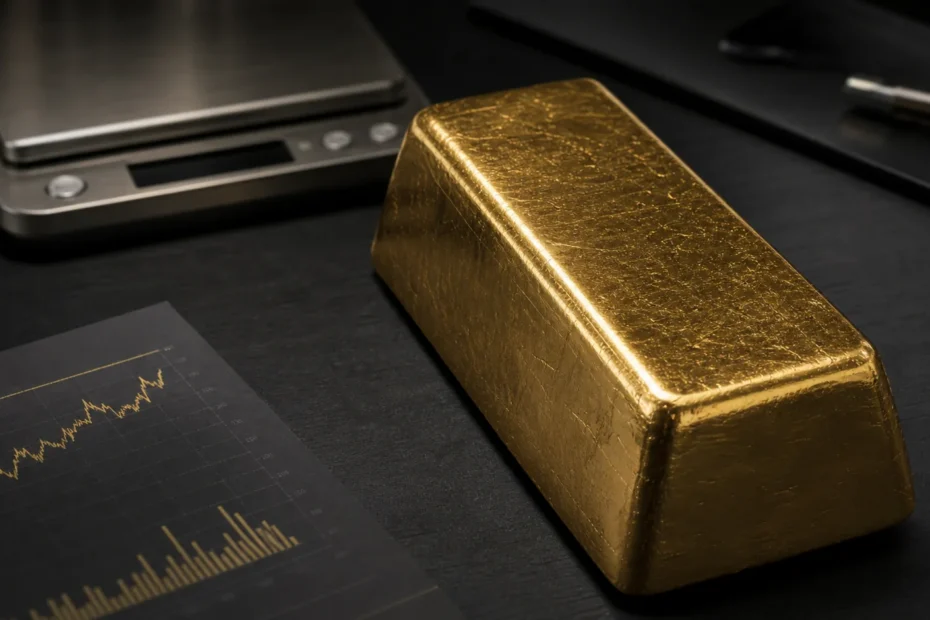
Calculate a 12 kg gold bar’s value from exact weight, fineness, and a timestamped price—then separate gross metal value from a real sale estimate.
Understand how real yields, currencies, investment flows and physical demand affect gold, with worked examples, source checks and a demand chart.
Is a diamond worth more than gold? Compare retail pricing, resale value, and liquidity to see which asset is actually stronger for your goal.

White gold usually looks warmer as rhodium wears and reveals the underlying alloy. See what is normal, what needs inspection, and when to replate.
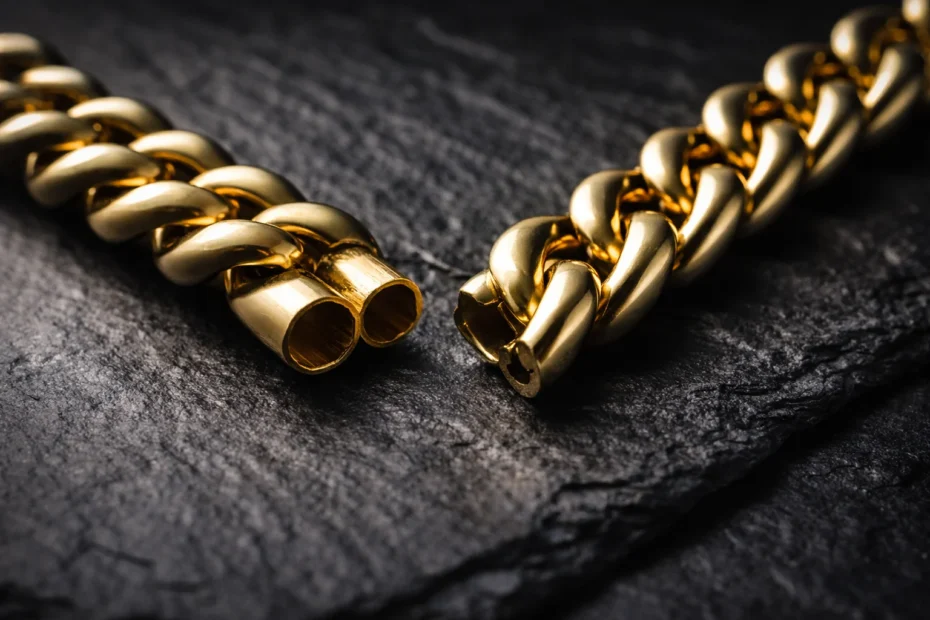
What is hollow gold? Discover the truth about its value, durability, and how it compares to solid gold in this expert jeweler’s guide to buying… Read More »The Expert Jeweler’s Guide to Hollow Gold: What You Must Know Before Buying

Explore Alaska gold mining history: Juneau’s 1880 find, the Klondike route through Alaska, Nome, Fairbanks, mining methods, and a source-backed timeline.
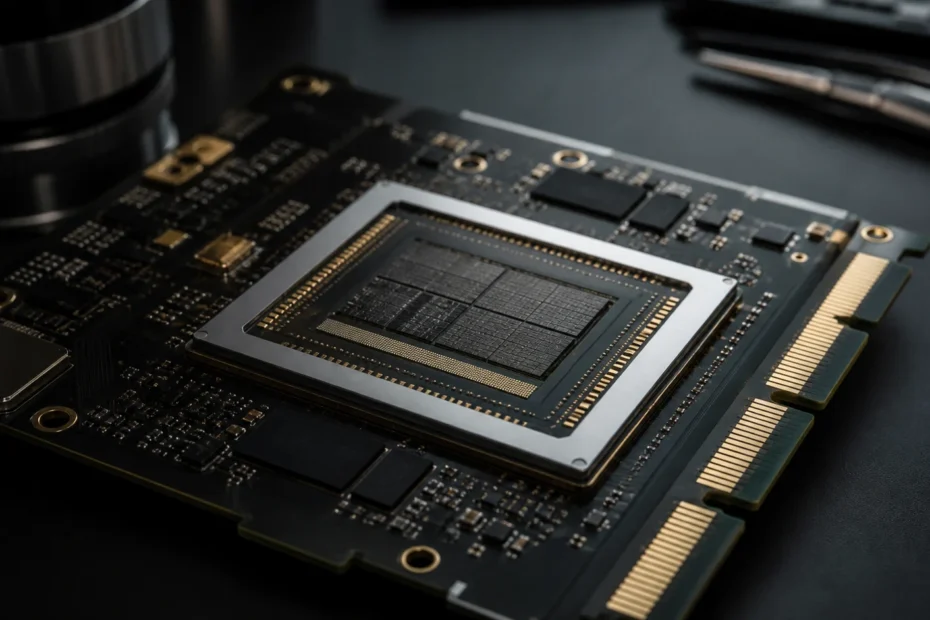
AI hardware uses small amounts of gold in selected contacts, finishes, and bonds. See where it matters, where substitutes work, and what demand data shows.
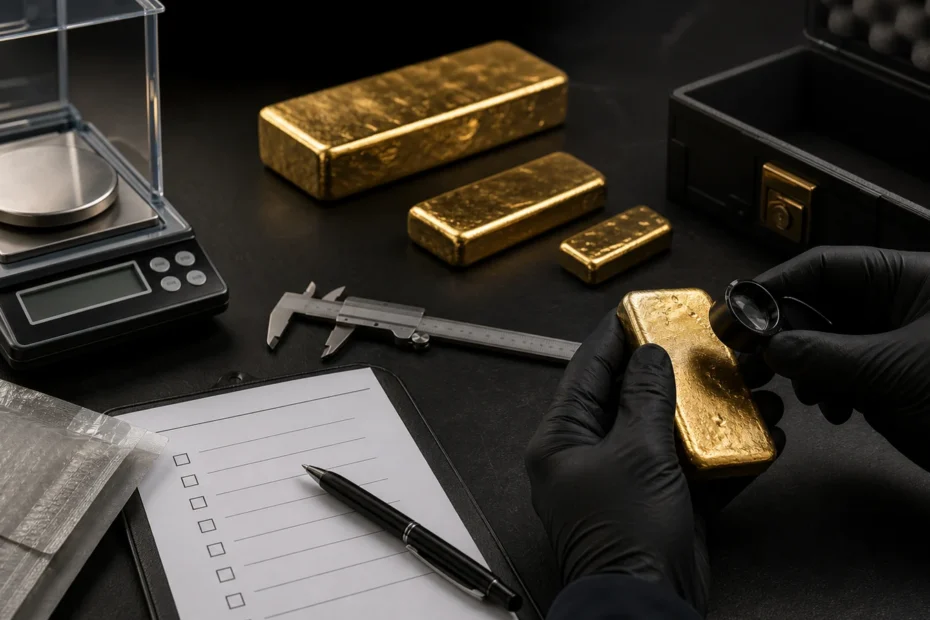
Learn how to buy gold bars safely by comparing size, fineness, premium, dealer buyback, authenticity, delivery, storage, and resale.
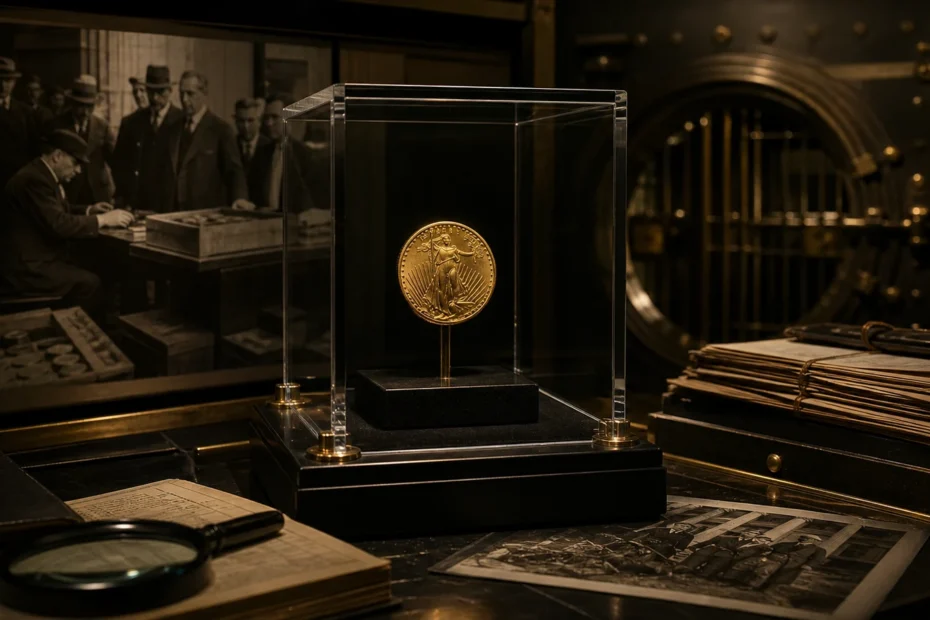
Understand the 1933 Double Eagle: 445,500 struck, none issued, surviving coins, the unique private-ownership case, and record value.

Yes, fine glacial gold occurs in Indiana. Learn how it arrived, where official guidance points, what rules apply, and what to expect.
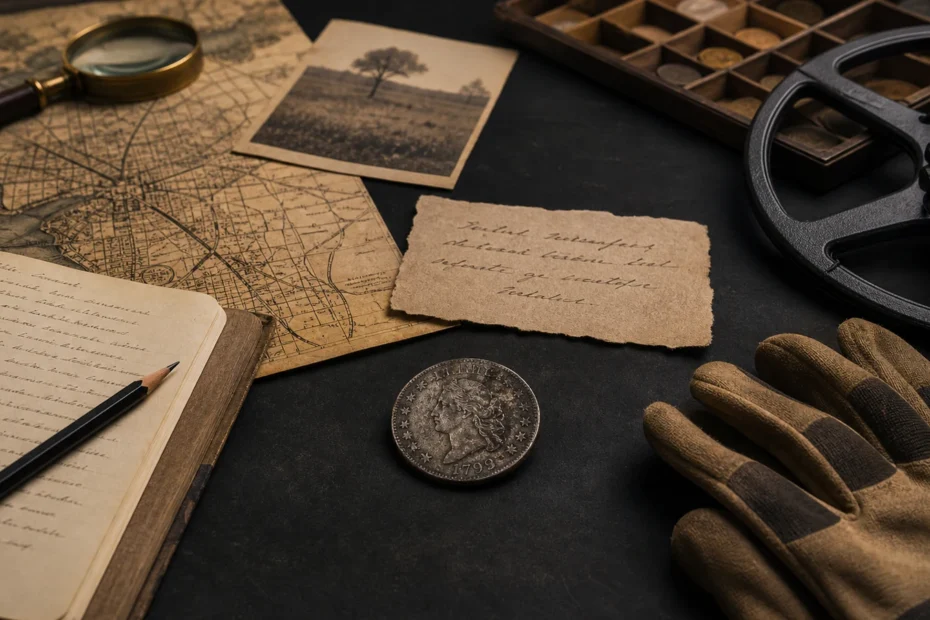
Find old coins legally using private permission, historical maps, coin rolls, estates, shows, and location-specific detecting rules.
Investigate a gold rally with a dated evidence sheet, counter-signals, a real market example and a worked comparison of dollar and euro returns.
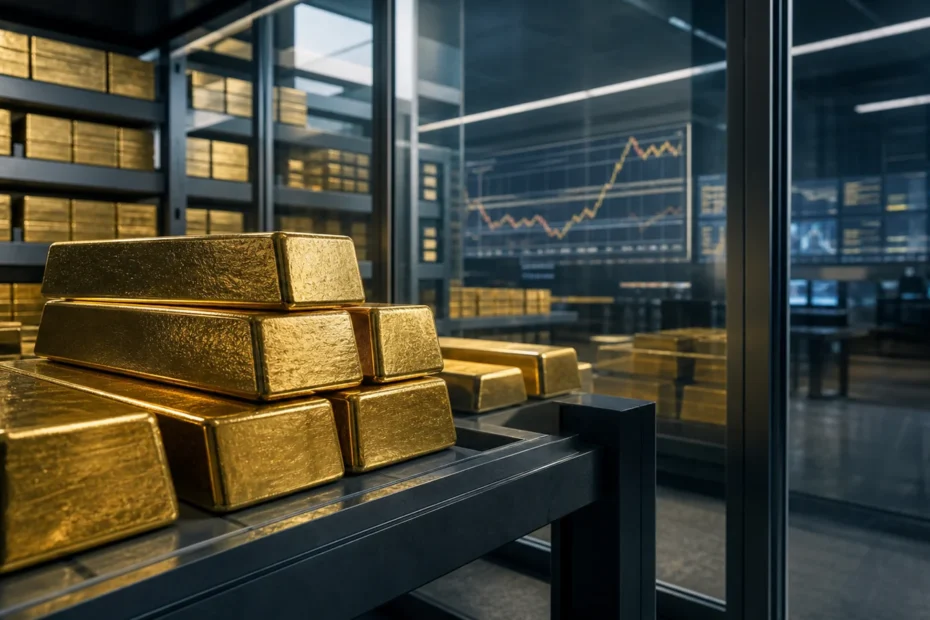
See how physically backed gold ETFs create shares, hold bullion, track NAV, charge fees, and differ from owning coins or bars—including the risks to check.
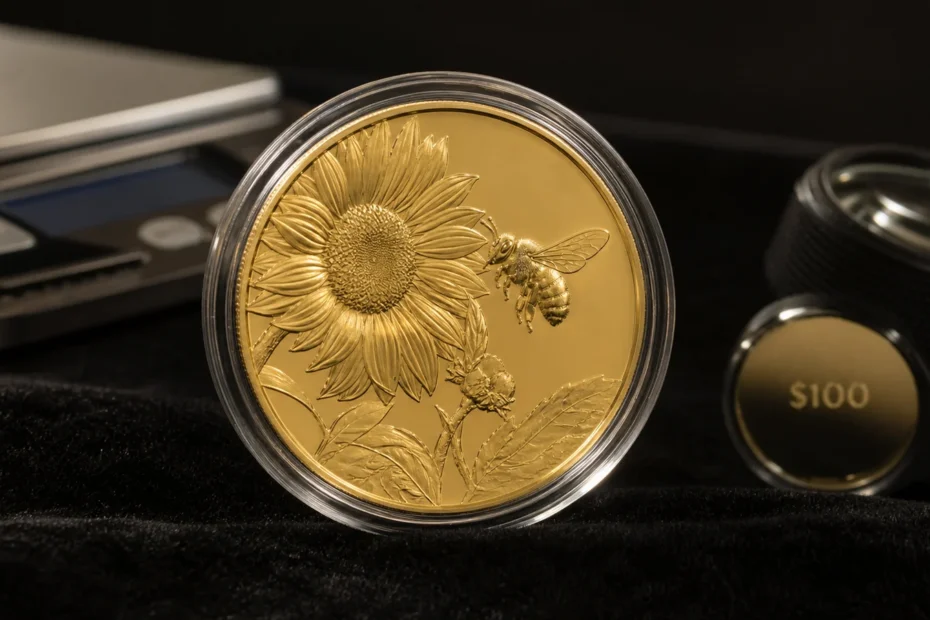
A U.S. $100 gold coin usually means a one-ounce 24-karat American Liberty issue. Identify country, metal, year, specs, condition, and packaging before valuing it.
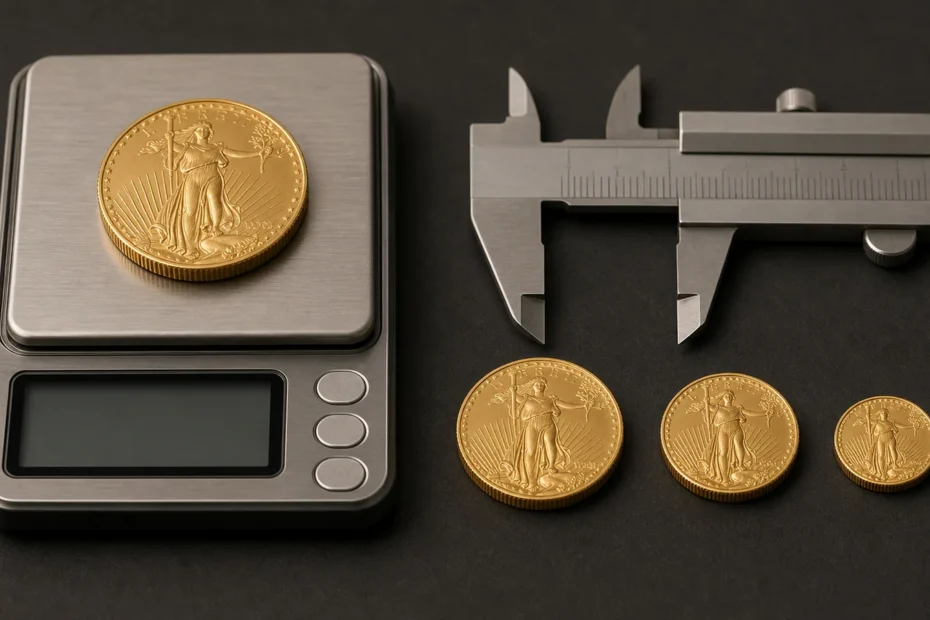
American Gold Eagles weigh more than their stated fine-gold size because they are 22K. Compare official gross grams, fine gold, diameter, face value, and checks.
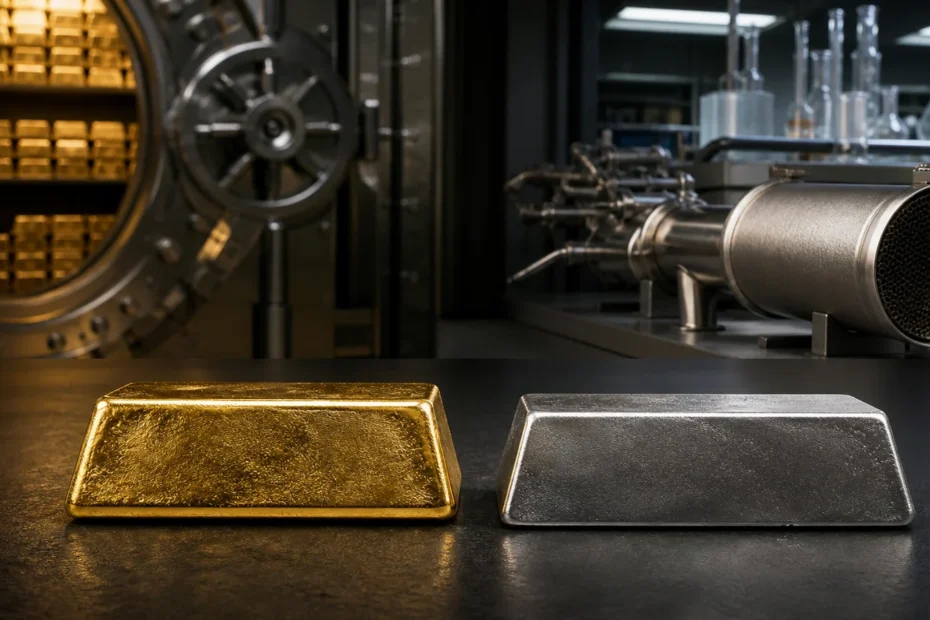
Platinum can be rarer in mine supply yet cheaper because gold has deeper monetary, investment, and central-bank demand. Compare use, liquidity, supply, and spreads.
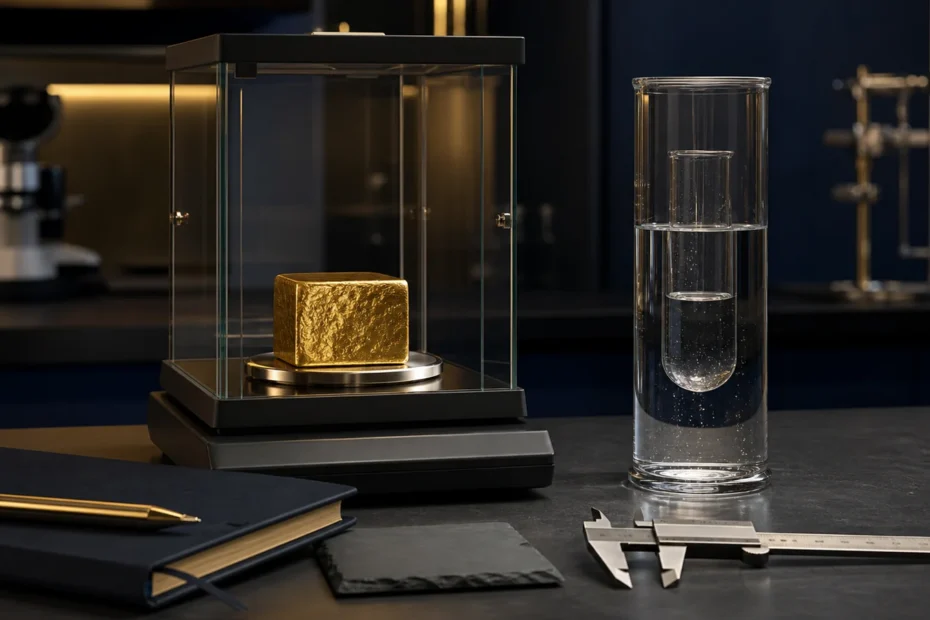
Pure gold has a density of about 19.32 g/cm³ near room temperature. See unit conversions, alloy effects, a water-displacement example, and test limits.
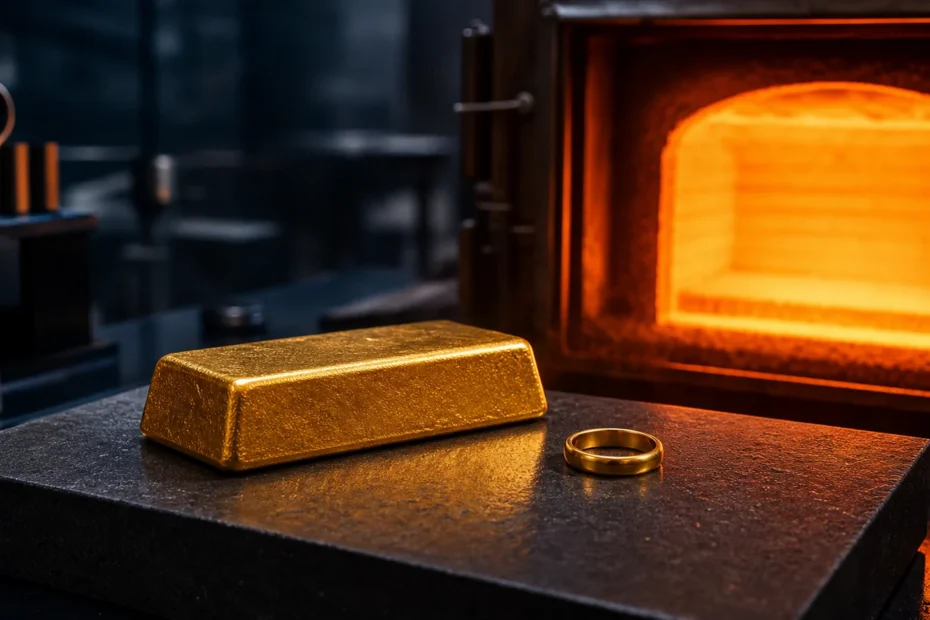
Bulk gold is not flammable in ordinary fire conditions, but it can melt at 1,064.18°C and jewelry can be damaged by alloys, solder, stones, coatings,… Read More »Is Gold Flammable? Fire, Melting Point, and Jewelry Safety
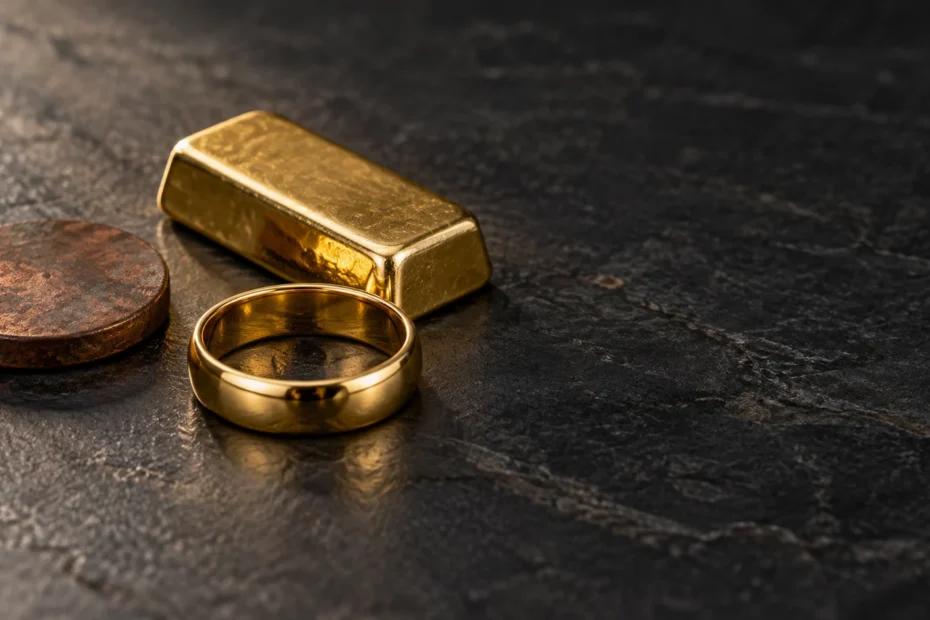
Gold cannot form iron rust. Learn why alloys and plating discolor, what red or dark spots may mean, and how to check an item safely.
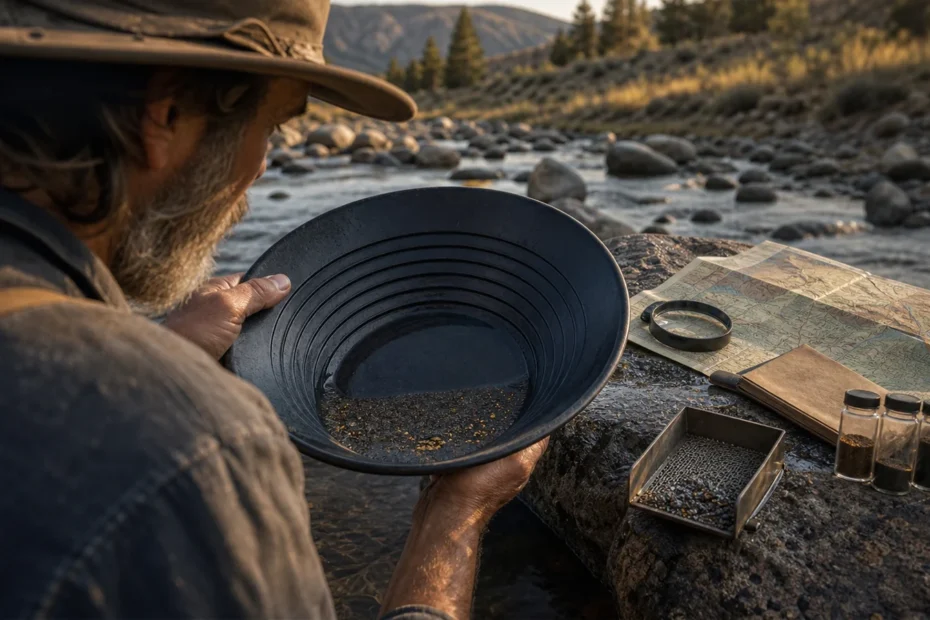
Detect possible gold without a metal detector by checking legal access, mining history, geology, placer traps, panning behavior, and—when needed—a qualified assay.

Explore ancient African gold mining through Nubia, West African fields, and southern African networks—separating mining evidence, trade records, artifacts, and later myth.