Start with the decision you need to make. Compare practical options, understand their limits, and move from a product listing to a safer verification step.
Use a focused guide before choosing equipment or buying gold. A scale measures weight but does not authenticate metal; a home test screens a claim but does not replace professional verification; prospecting equipment must also fit the ground and current access rules.
- Is this gold claim credible?
- Which measurement changes my decision?
- Does this product fit the item or terrain?
- What must I verify after delivery?
Match the guide to the decision.
Each guide narrows one high-intent choice. Begin with the item, test or field task—not with the longest product list.
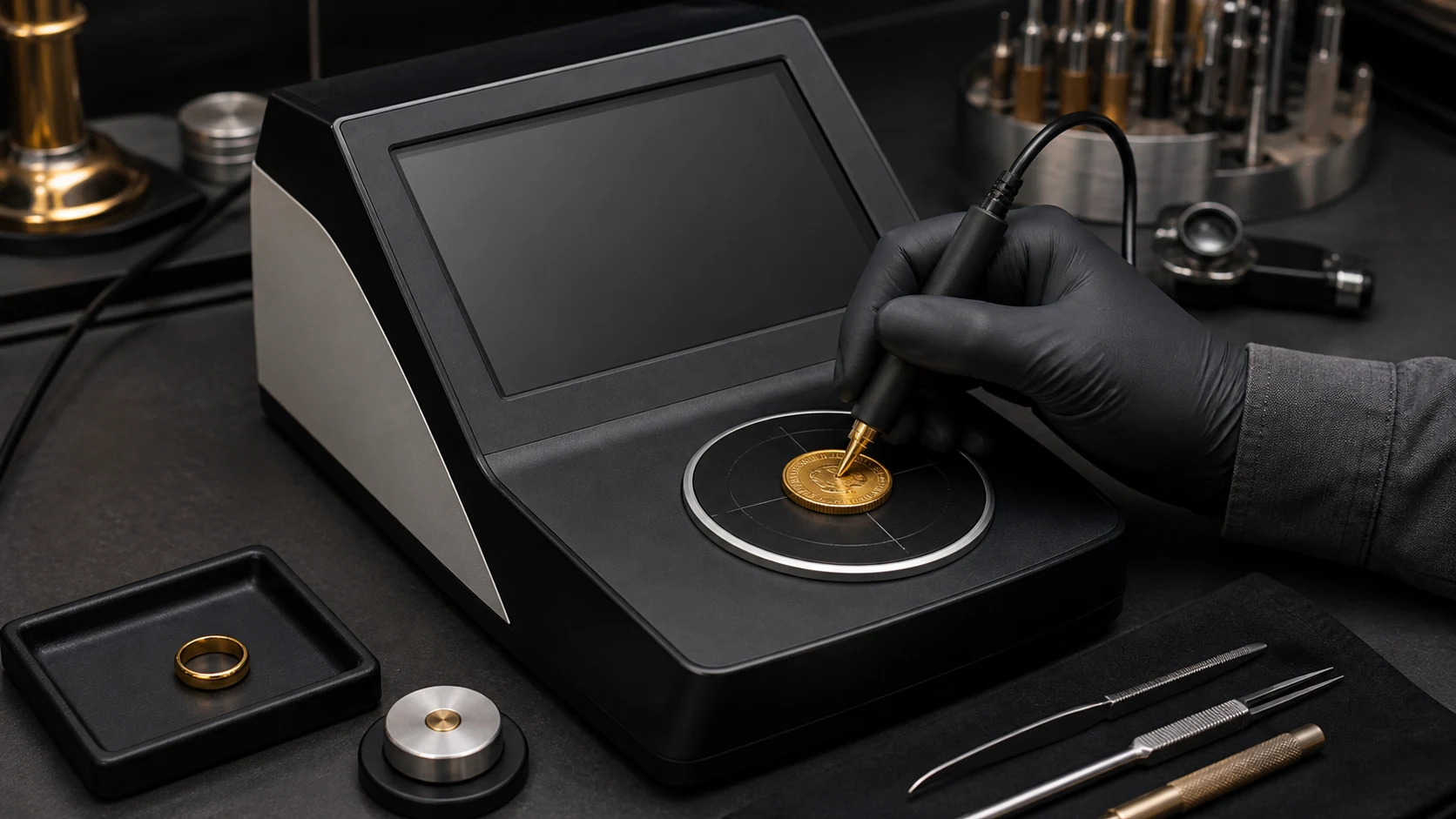
Best Electronic Gold Testers
Choose by sample type and measurement principle, then confirm valuable items with an independent method.
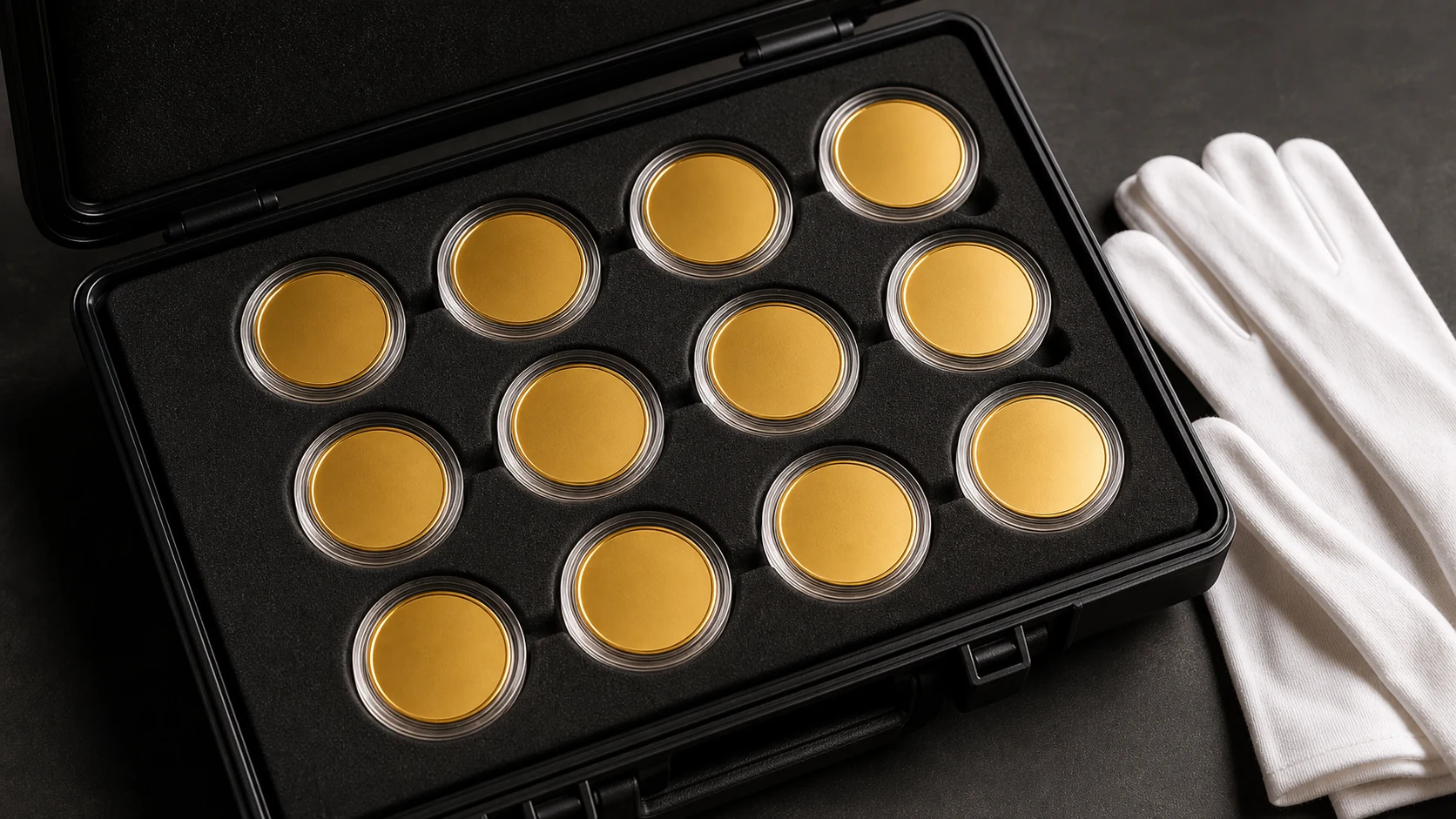
Best Gold Coin Storage
Match capsules, tubes, and boxes to the exact coin while separating surface protection from security.
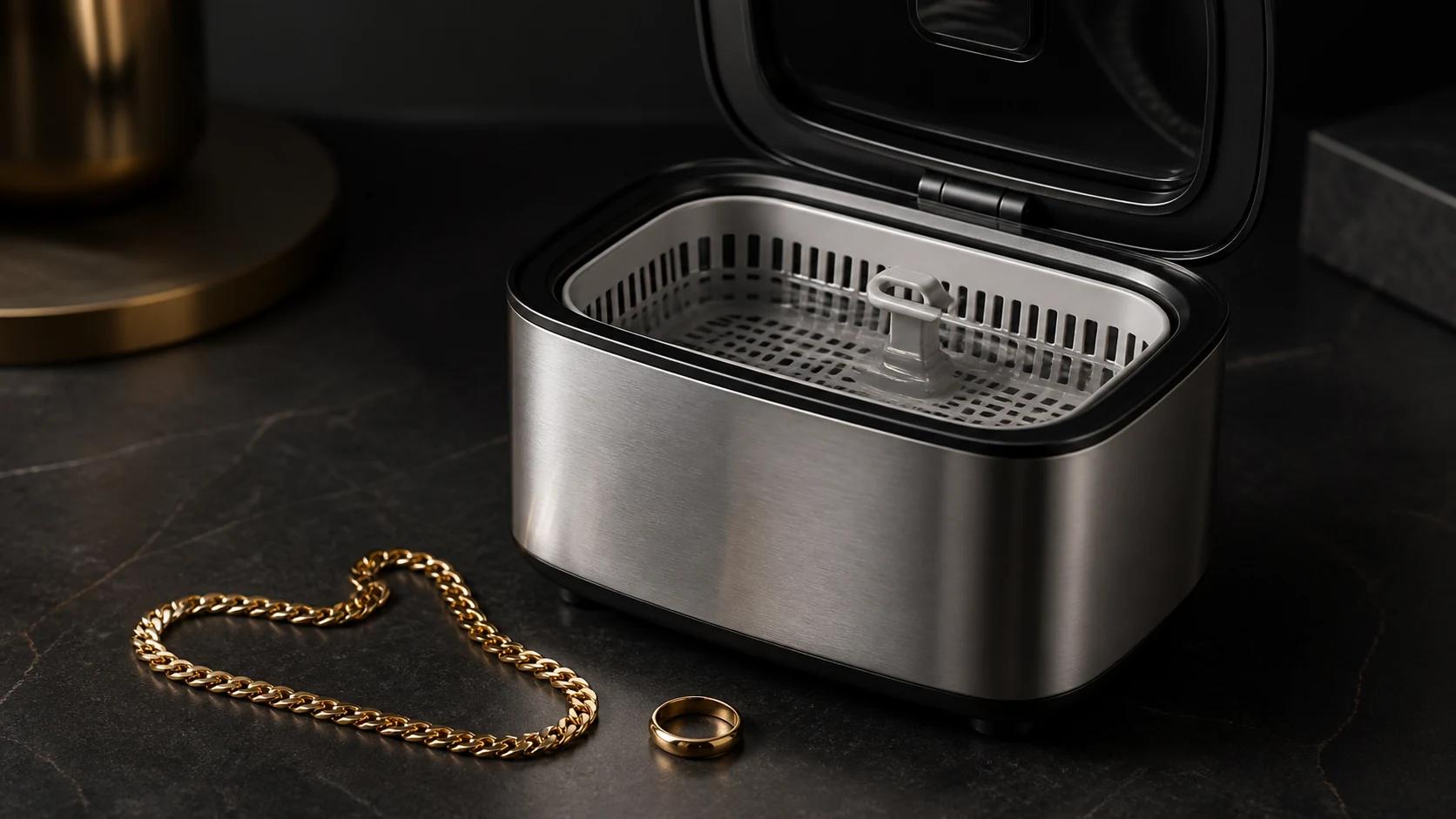
Best Ultrasonic Jewelry Cleaners for Gold
Compare timers, tanks, baskets, and material limits before placing any jewelry in an ultrasonic bath.
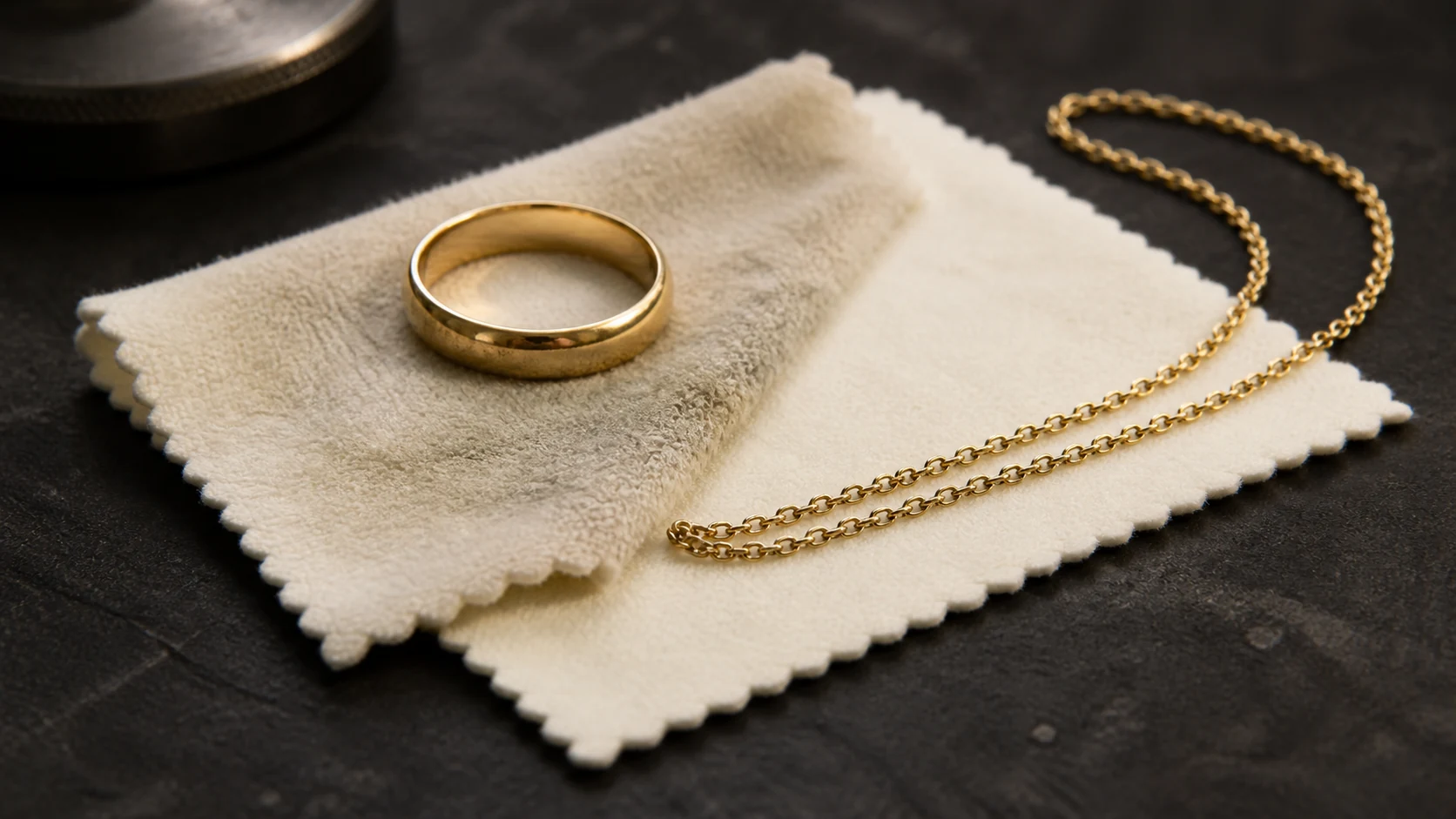
Best Gold Polishing Cloths
Choose a cloth by construction and finish, and know when surface wear requires a jeweler instead.
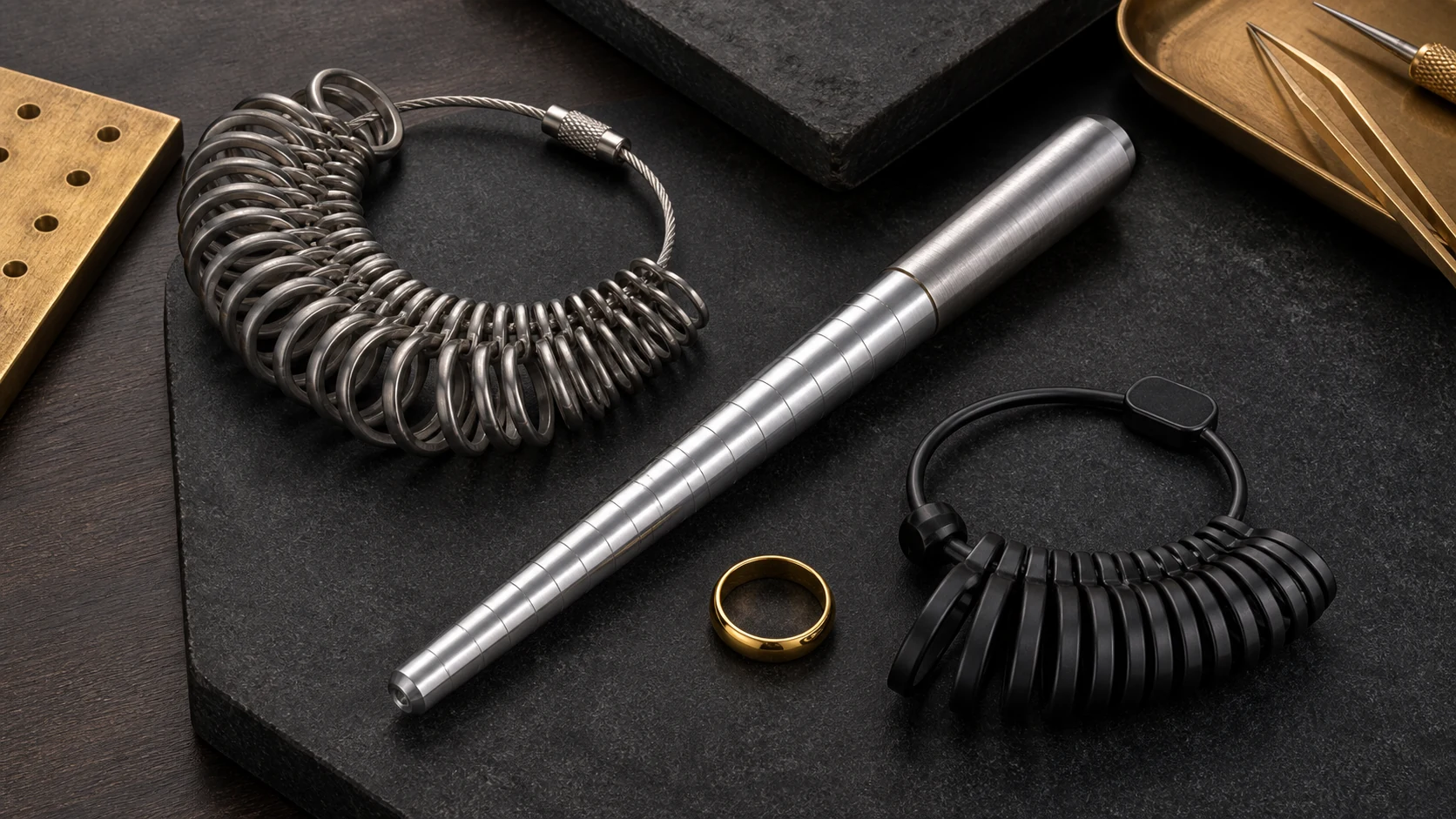
Best Ring Sizers for Gold Rings
Use finger gauges for a finger, a mandrel for an existing ring, and adjusters only for temporary looseness.
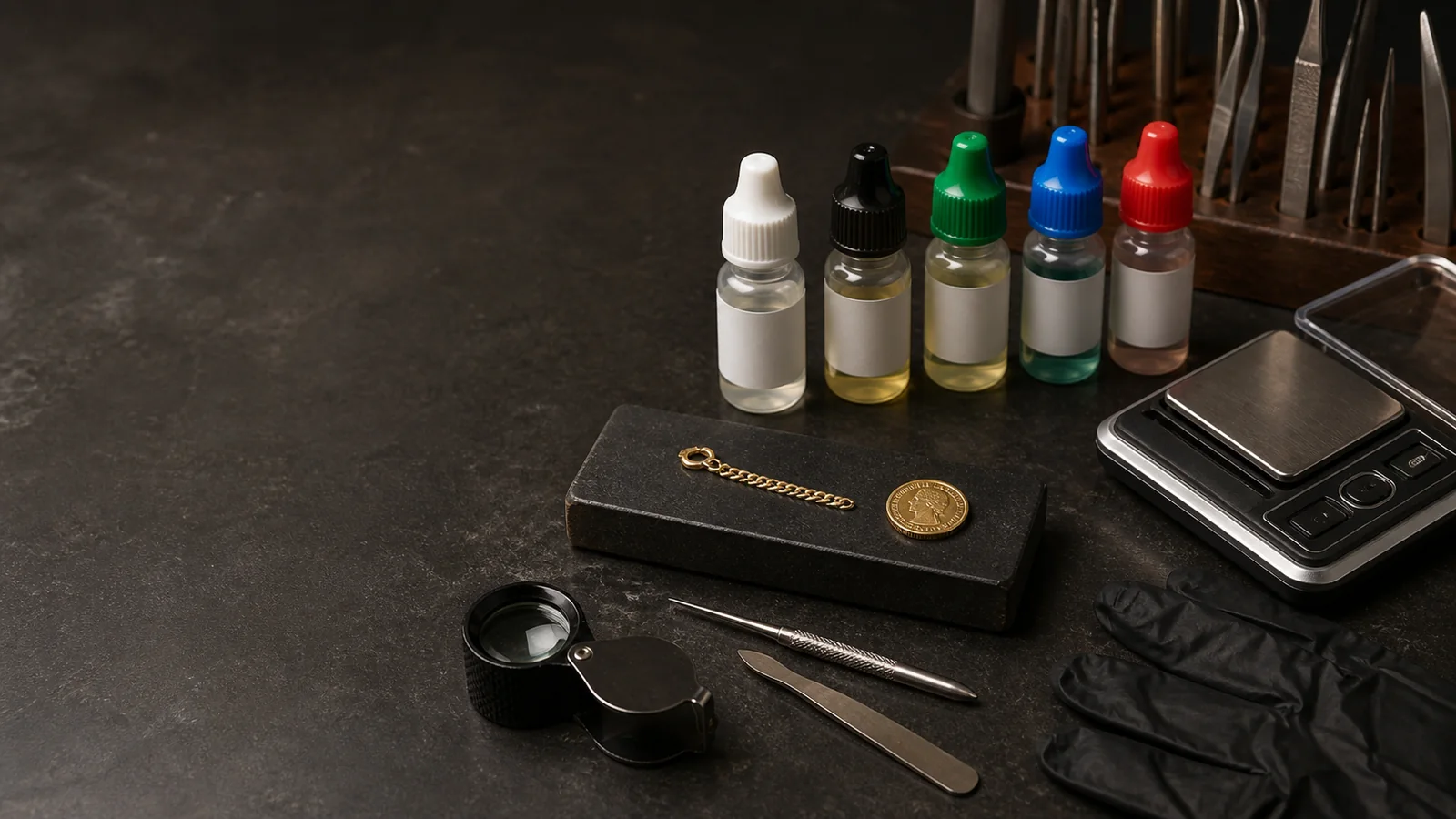
Best Gold Testing Kits
Choose between touchstone, acid and broader testing setups while understanding what a home result cannot prove.
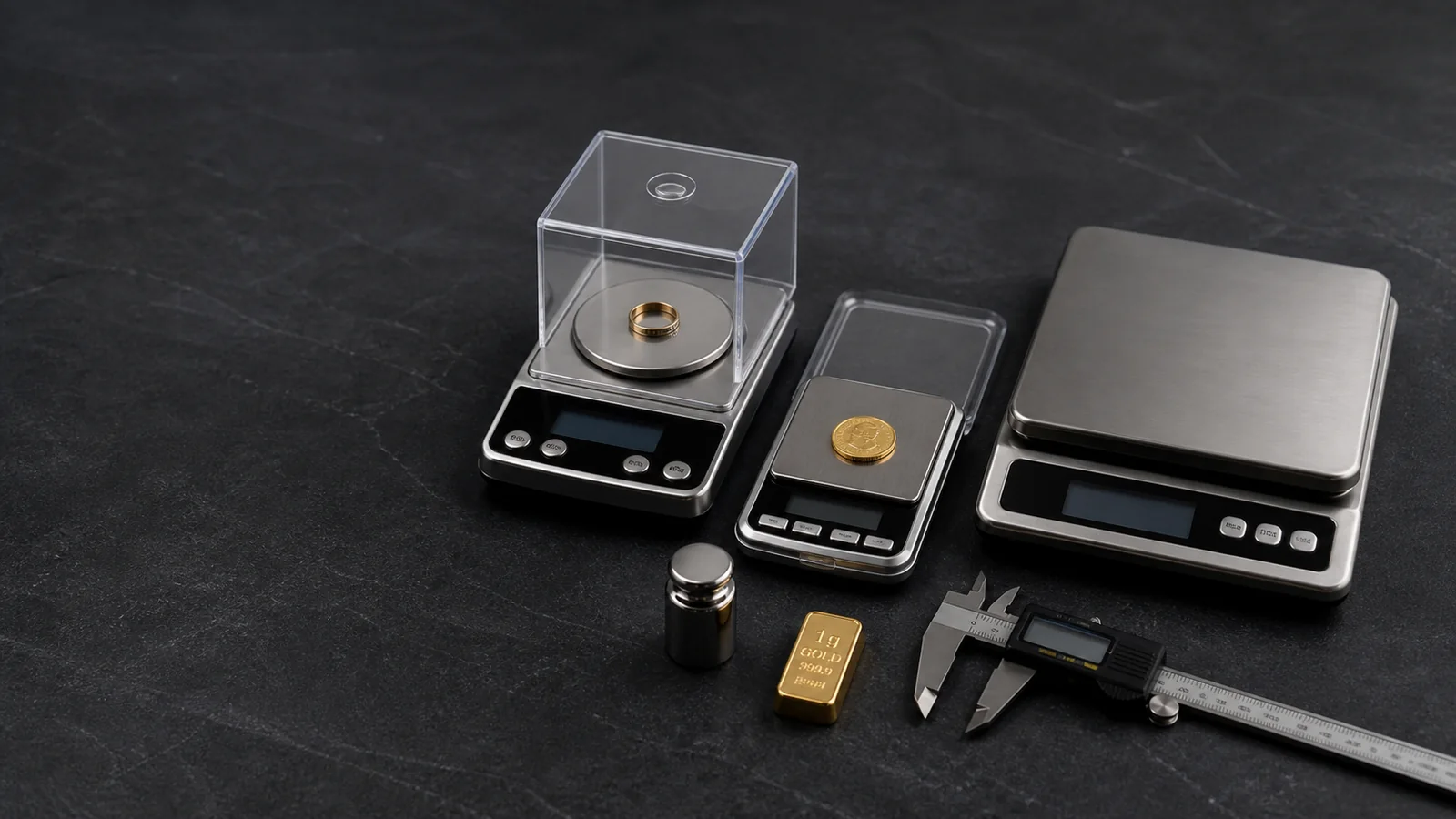
Best Scales for Weighing Gold
Match readability, capacity and platform size to jewelry, coins, small bars or tiny fractions.
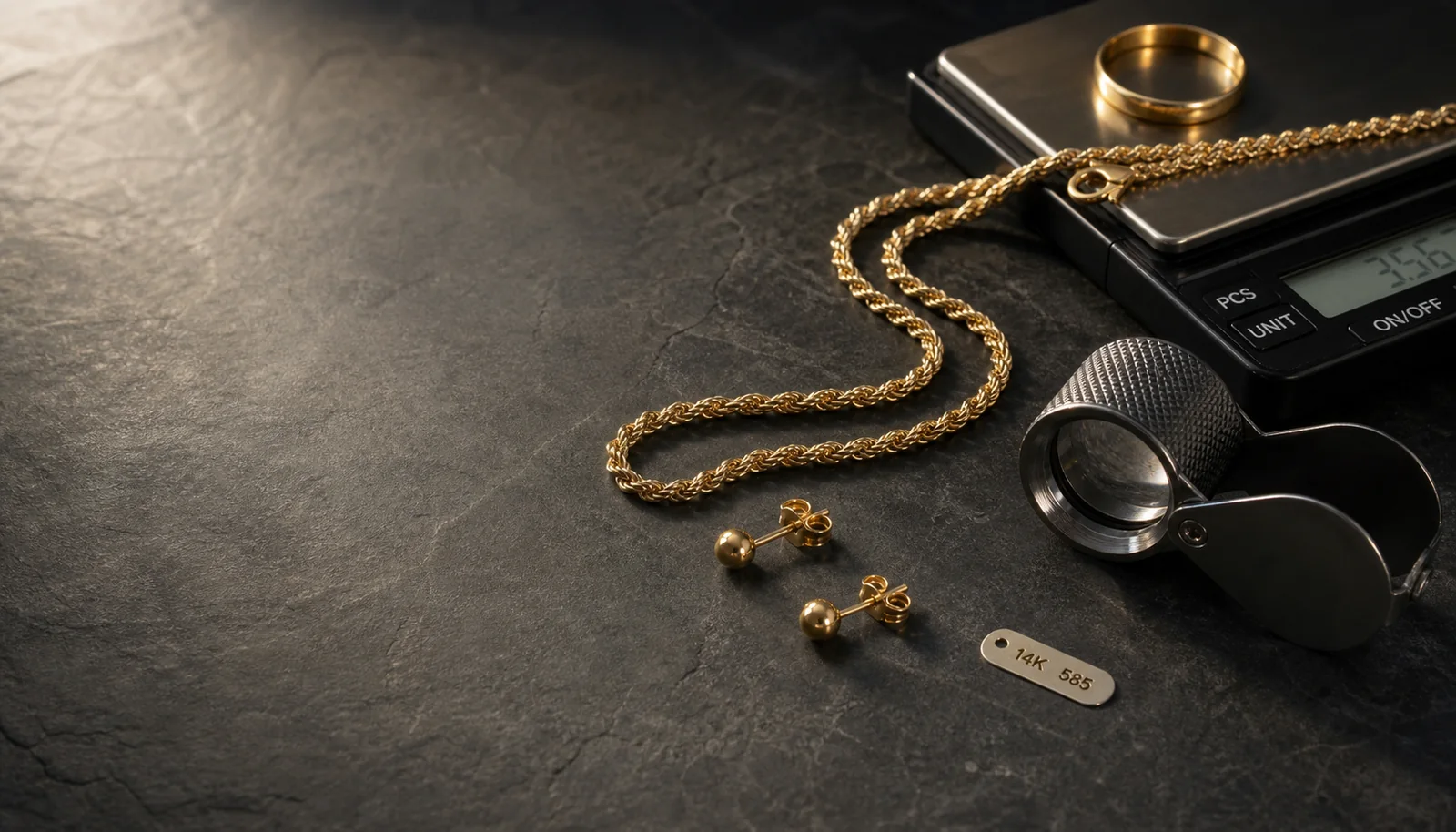
Gold Jewelry Guide
Separate solid gold, gold-filled, vermeil and plating before comparing karat, construction and seller evidence.
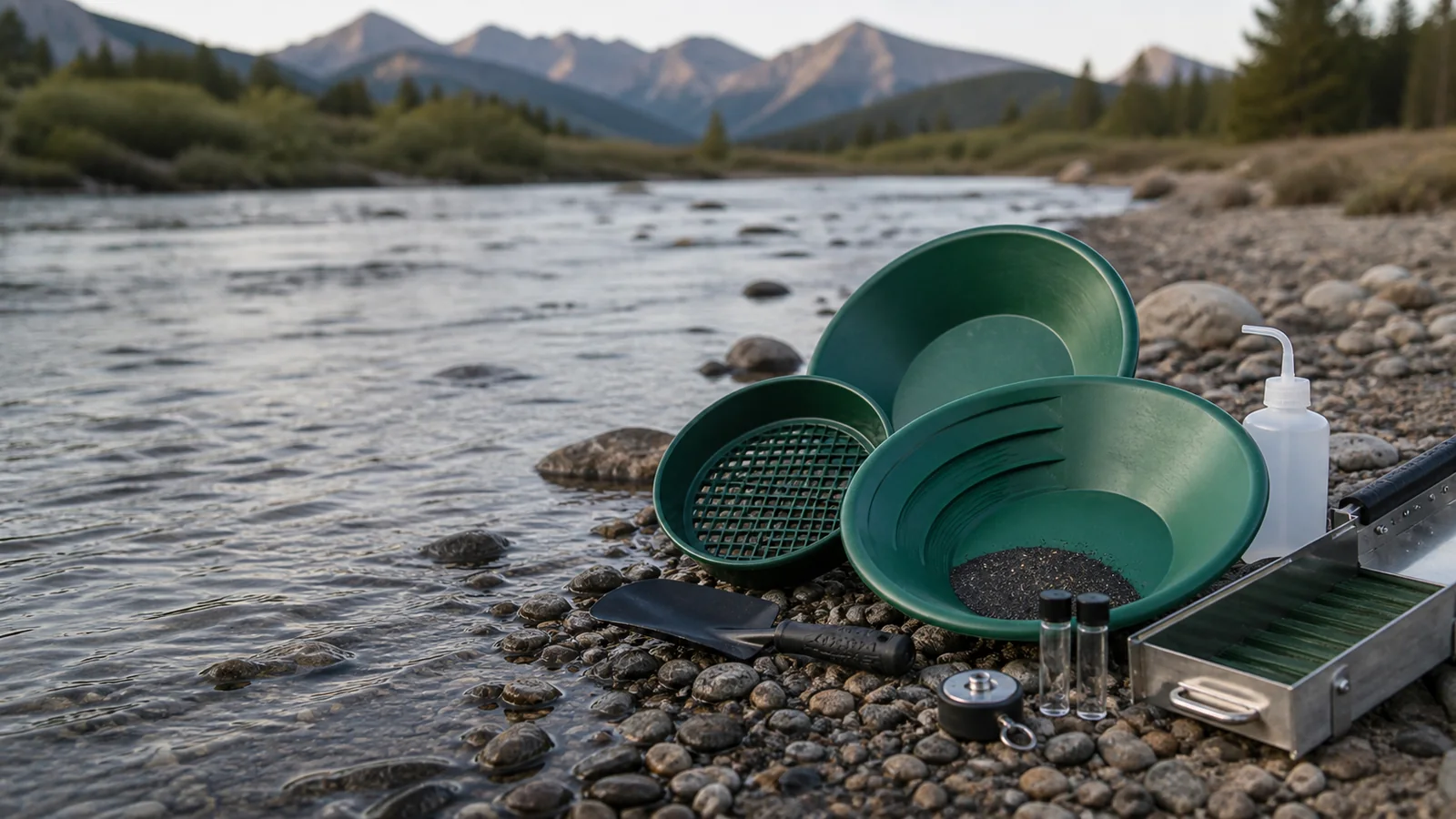
Best Gold Panning Kits for Beginners
Build a useful core kit first, then decide whether classifiers and a sluice fit the site and current rules.
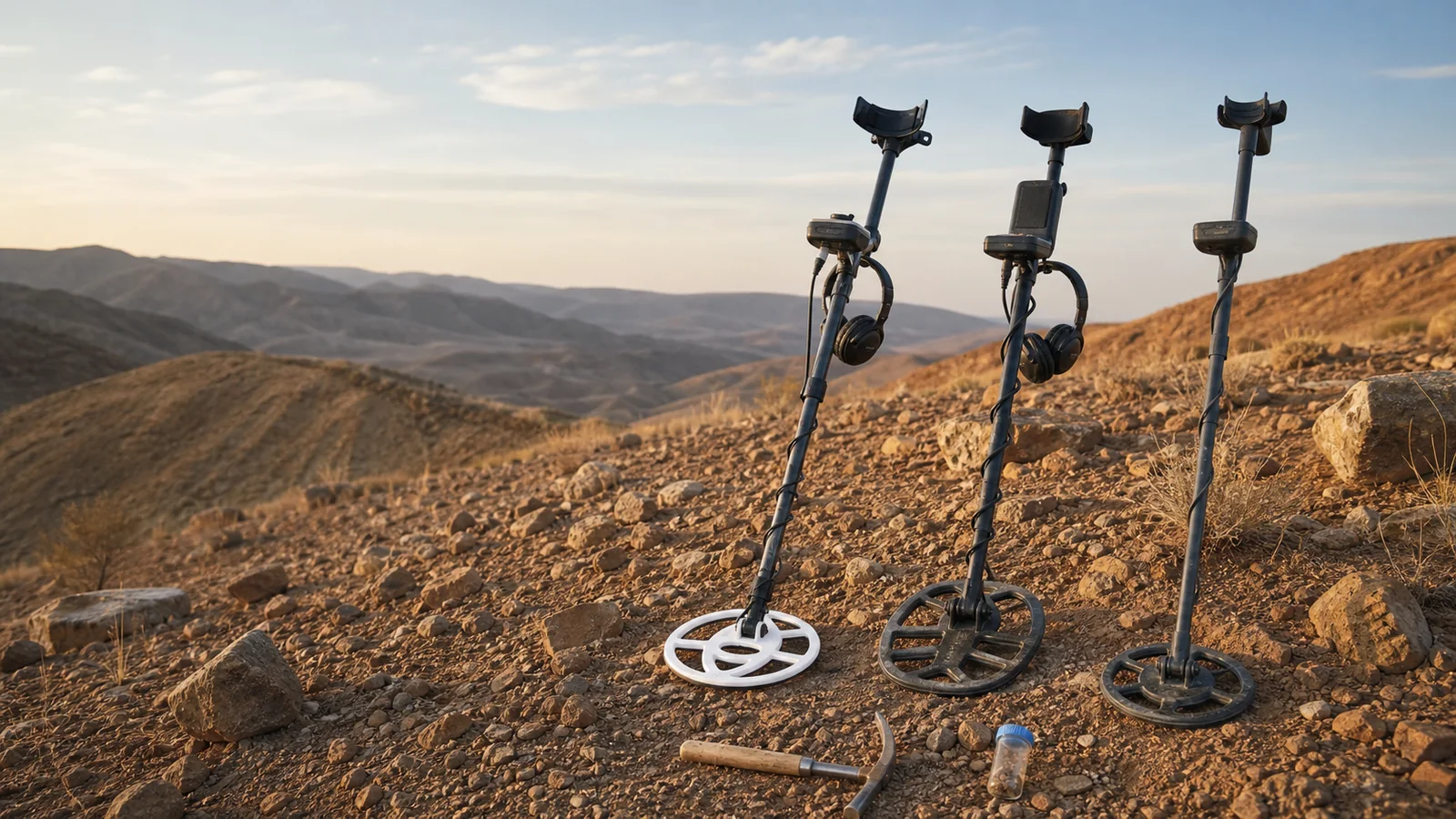
Best Metal Detectors for Gold Prospecting
Choose by nugget size, mineralized ground, coil needs and whether broader treasure hunting matters.

Buy Gold Online
Compare dealers, total premiums, delivery, return terms, verification and storage before sending payment.

Buy Gold Coins Without Guesswork
Compare bullion and collectible goals, exact specifications, premiums, seller terms and resale paths.
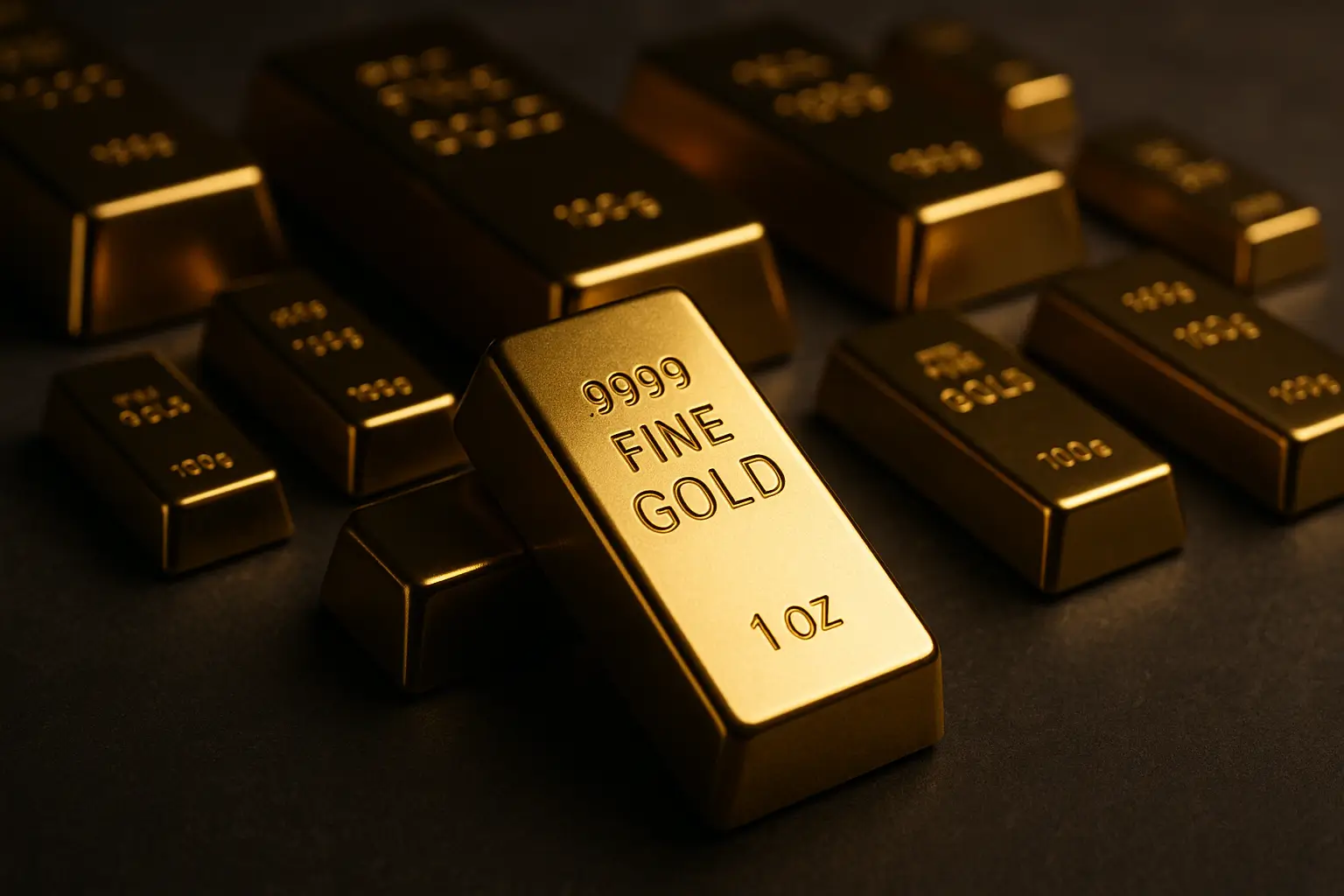
Gold Bars
Understand size, refiner evidence, packaging, premiums, verification, storage and eventual resale.
Move from claim to evidence.
A useful tool reduces uncertainty only when its limits, setup and next verification step are clear.
Define the task
Jewelry, bullion, scrap, tiny nuggets and larger field targets need different evidence.
Compare the specification
Check capacity, resolution, included components, material claim and exact variation.
Save the listing
Record the seller, bundle, return window and stated specifications before ordering.
Verify on arrival
Inspect, measure and escalate meaningful mismatches instead of forcing a confident answer.
Use the number that fits the decision.
Calculators help with conversion and comparison. They do not authenticate an unknown object or guarantee a buyer’s payout.
Gold Purity Calculator
Convert karat, fineness and percentage, then estimate contained pure gold.
Gold Weight Estimator
Estimate weight from dimensions and density assumptions before comparing a claim.
Scrap Gold Calculator
Compare spot value with purity and an expected payout rate before evaluating offers.
Live Gold Price
Check current spot context before using a value estimate or comparing premiums.
Gold Bullion Offer Comparison
Compare up to three real quotes by fine gold, checkout cost, premium and optional buyback price.
US Gold Coin Spec Checker
Compare Eagle and Buffalo measurements with U.S. Mint references without treating a match as proof.
Keep exploring by product type.
Use the dedicated resource when your question moves from tools to a specific gold category.
FAQ: Gold buyer guides and tools
Can a scale prove that an item is gold?
No. Weight becomes useful only when it is compared with correct dimensions, construction, alloy and a trusted reference specification.
Which gold testing method should a beginner use?
Start with non-destructive evidence. A touchstone-and-acid kit can screen karat claims when used safely, but valuable or uncertain pieces deserve independent professional testing.
Should I buy the largest prospecting kit?
Usually not. Begin with the tools you can legally use and realistically carry; upgrade only when the terrain and workflow justify the extra capacity.
Are the linked Amazon products hands-on tested?
No. The product guides clearly describe listing-based selections, current specifications to verify, use cases and practical limitations.
Why use a hub instead of searching every article?
The hub groups the next step by decision: test, measure, buy jewelry, choose bullion, pan or detect. That reduces irrelevant comparison and helps you reach the right detailed guide faster.