
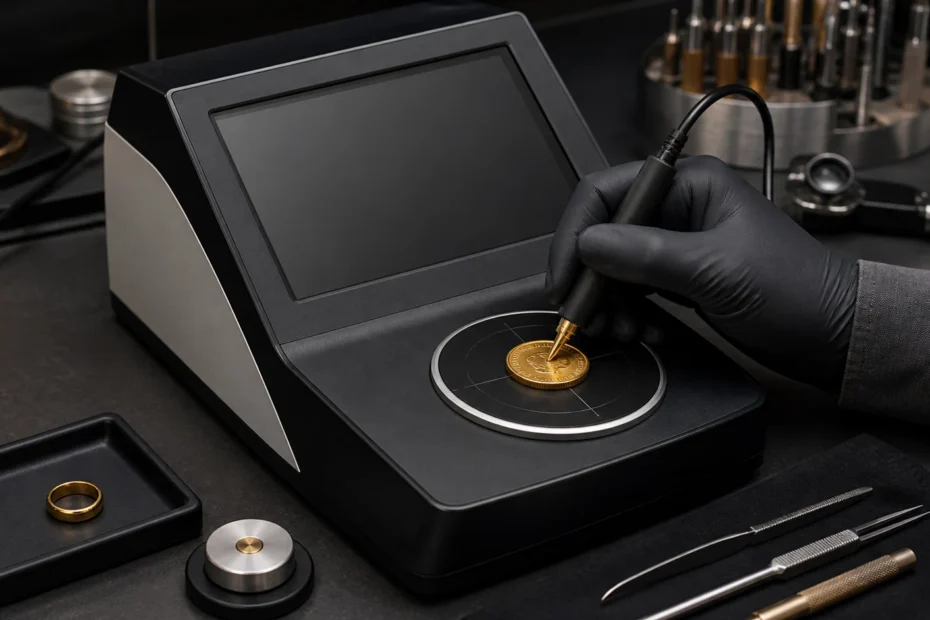
Best Electronic Gold Testers | Jewelry, Coins, Accuracy, and Limits
Compare electronic gold testers for jewelry and bullion, understand what each measurement can miss, and build a safer multi-test verification workflow.
On GoldConsul, Gold Testing is explained in practical language so you can understand how this topic affects buying decisions, portfolio choices, and long-term value planning without guesswork. The goal is to help you evaluate Gold Testing through clear checkpoints: quality indicators, seller transparency, realistic pricing context, and the risks that matter most in actual scenarios. The tag page is useful for building a repeatable checklist around Gold Testing, from initial screening to due diligence and final confirmation in your own buying or selling plan. The Gold Testing archive gives you a structured reading path so beginners and experienced readers can find exactly the level of depth they need, then act on it. As a result, you get a structured, SEO-friendly overview of Gold Testing that is useful for quick reference and deeper study. If you”re comparing long-term performance, the discussion around Gold Testing becomes easier when you map fundamentals, risks, and entry points into one checklist.
Compare electronic gold testers for jewelry and bullion, understand what each measurement can miss, and build a safer multi-test verification workflow.
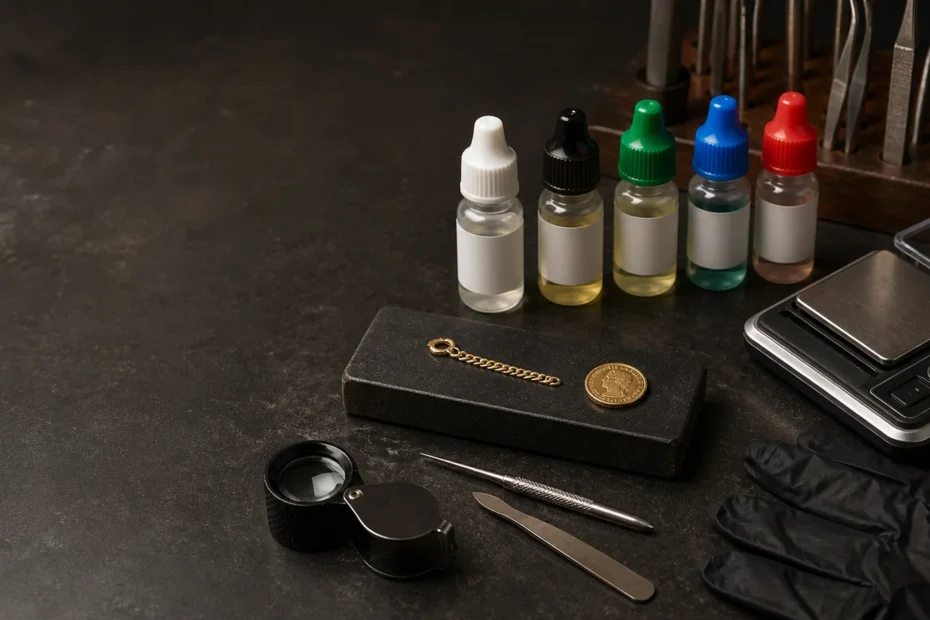
Compare gold testing kits by method, safety, included tools and limits before screening jewelry, coins or scrap at home.
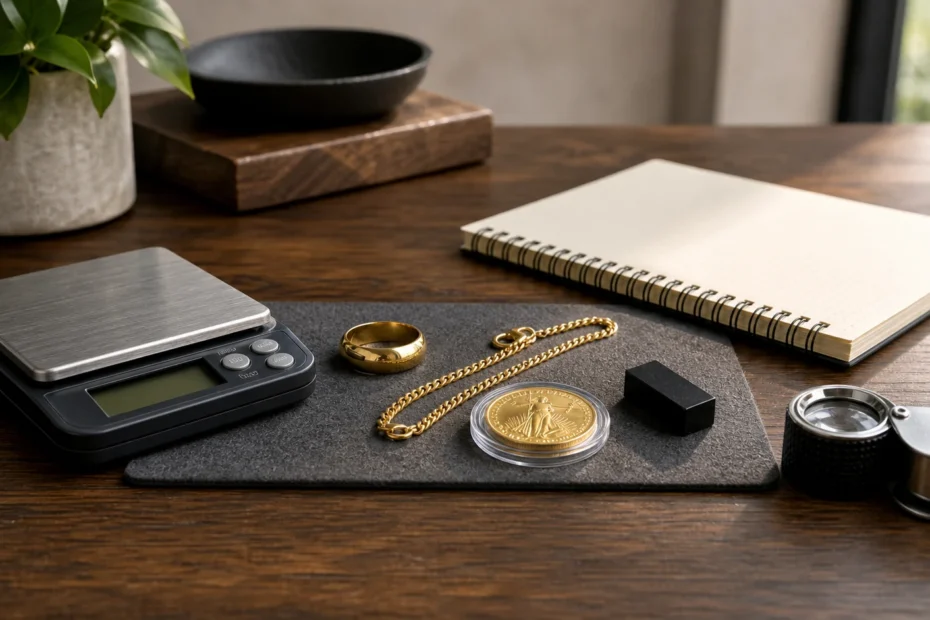
Learn how to test gold at home safely with hallmarks, magnet checks, weight, density, acid-test cautions, and when XRF or assay matters.
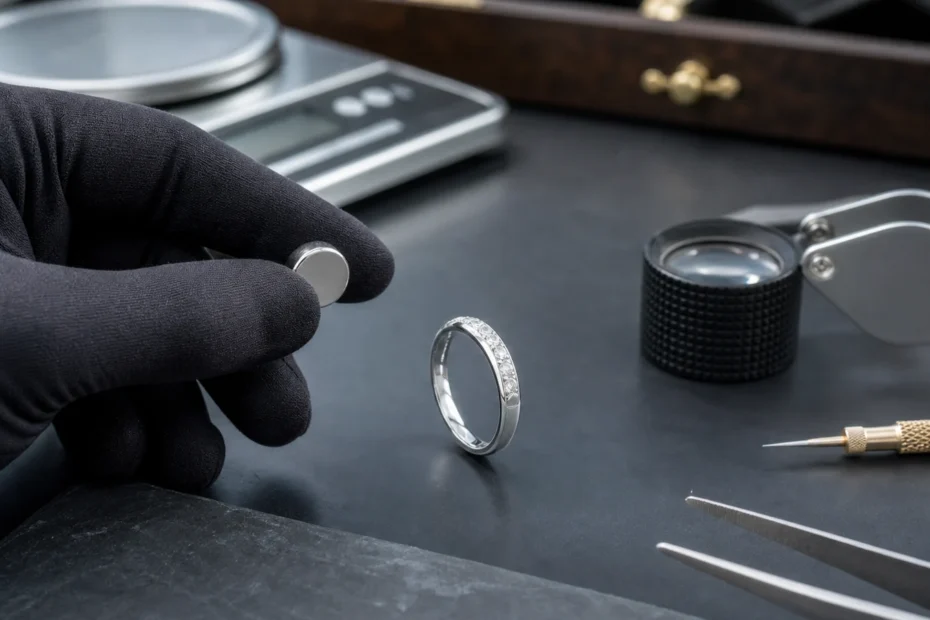
White gold is usually not strongly magnetic, but alloys and clasps vary. Learn how to interpret weak, localized, and strong magnet responses.
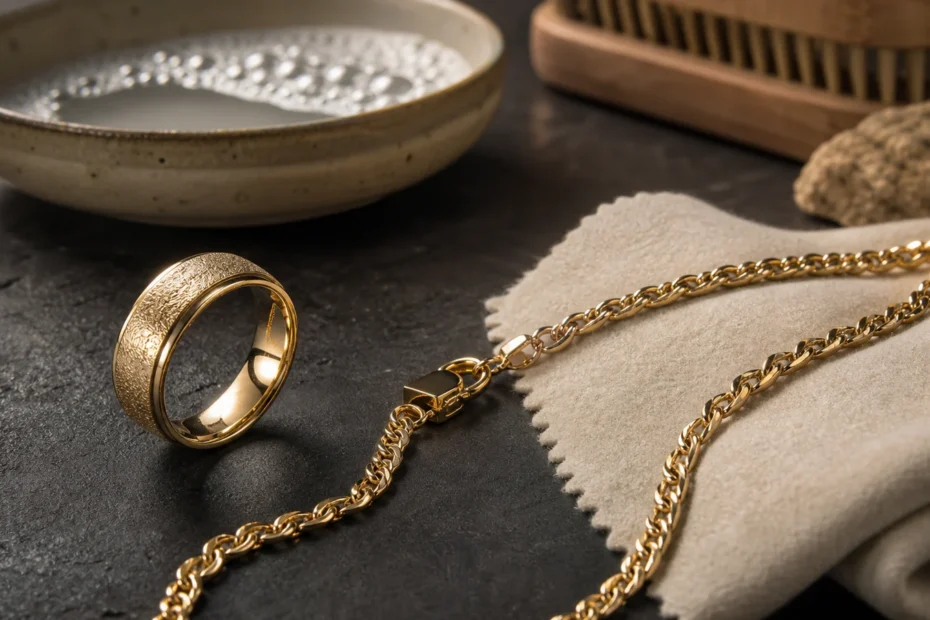
Solid 14K gold can dull or discolor because of alloy metals and exposure. Match the symptom to the cause and clean it without damaging the… Read More »Does 14K Gold Tarnish? Causes, Safe Cleaning, and Warning Signs
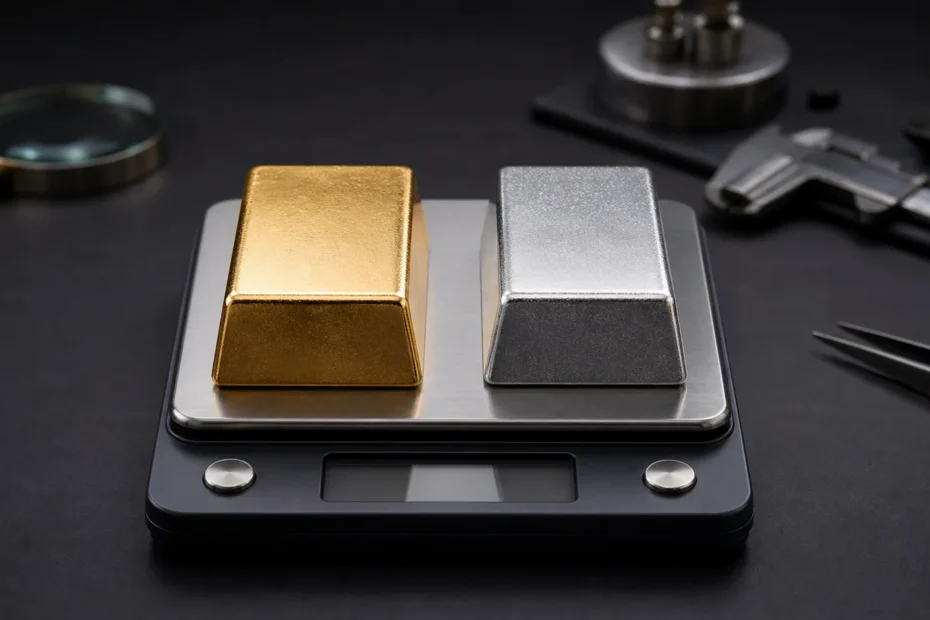
Gold is about 84% denser than silver at equal volume. See the numbers, a worked displacement example, alloy caveats, and test limits.
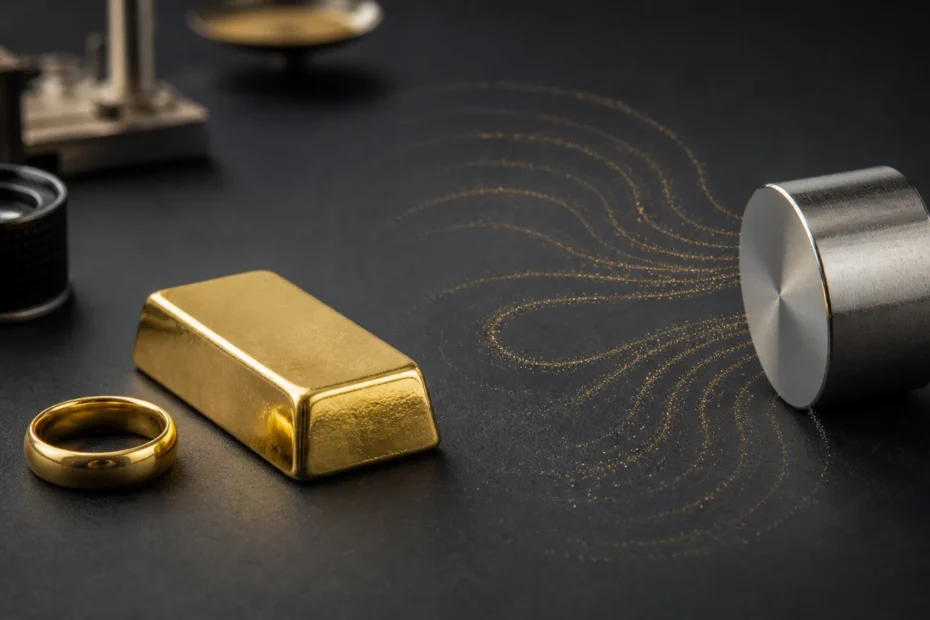
Clear guide to pure gold magnetism, alloy confusion, magnet tests, and safer ways to verify real gold.
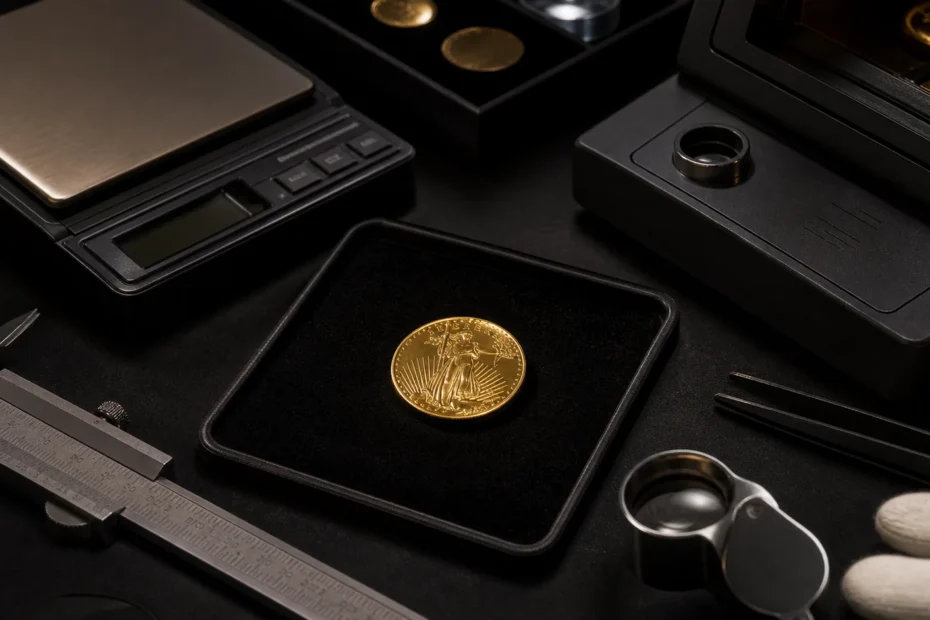
A reliable gold coin test combines official mint specifications, calibrated weight and dimension checks, design inspection, magnet screening, provenance, and professional escalation. This guide explains… Read More »How to Test Gold Coins | Safe Checks, Red Flags, and Professional Verification
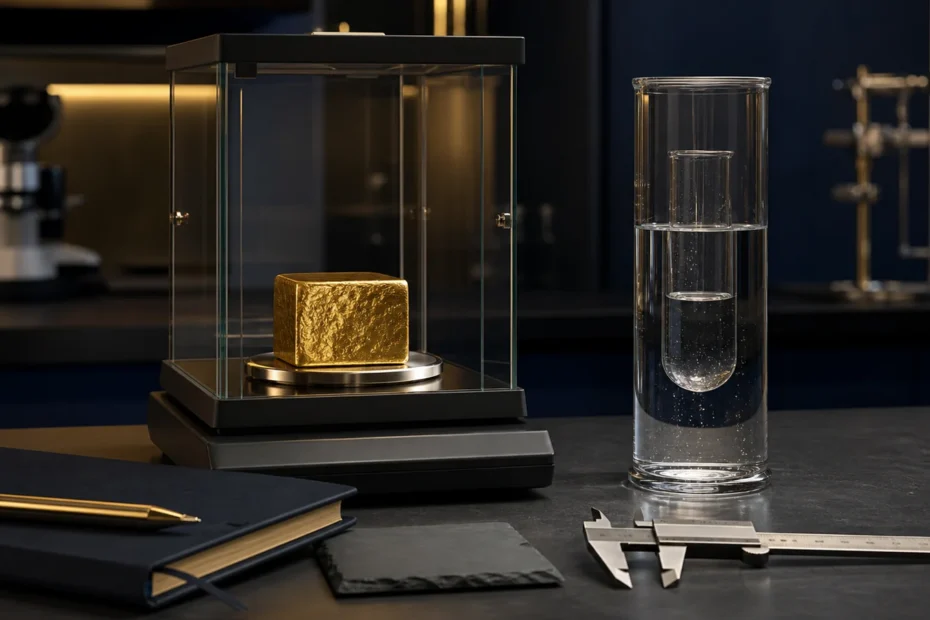
Pure gold has a density of about 19.32 g/cm³ near room temperature. See unit conversions, alloy effects, a water-displacement example, and test limits.
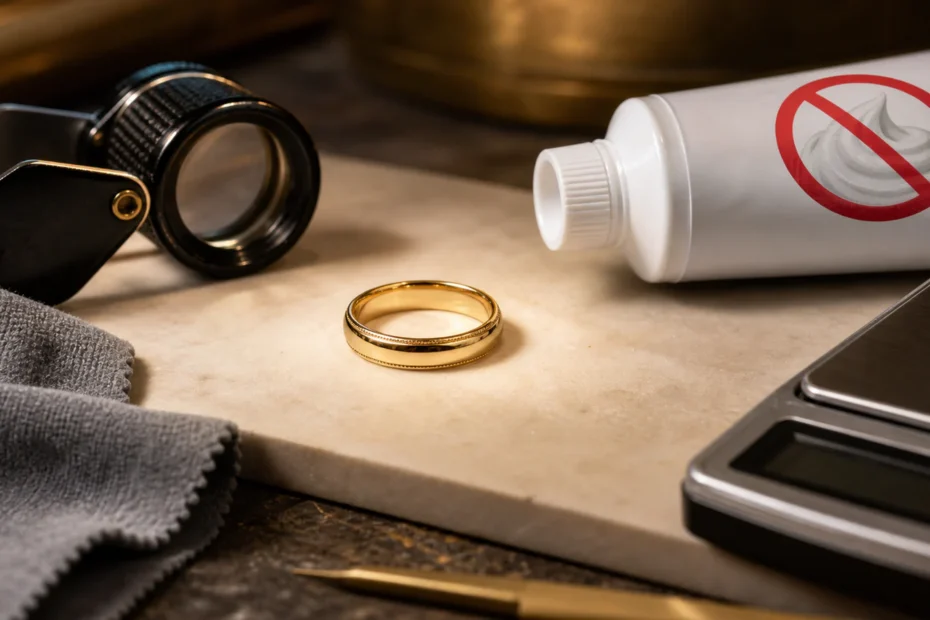
Toothpaste cannot determine gold purity. It can leave residue or micro-scratches and produce misleading color changes; use provenance, specifications, density and professional testing.
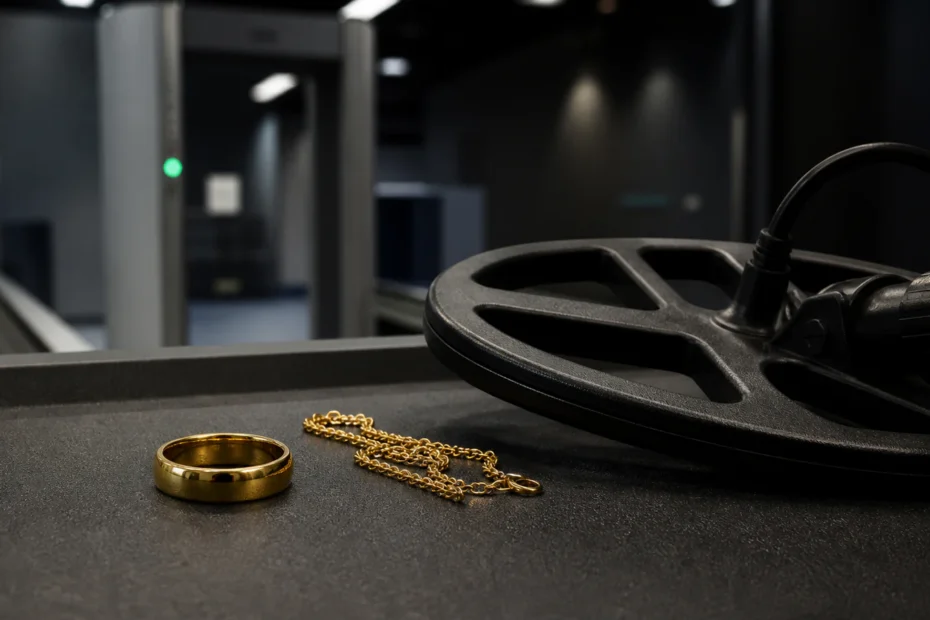
Gold is detectable, but a detector may not alarm. See how jewelry size, settings, depth, soil, and airport screening change the result.
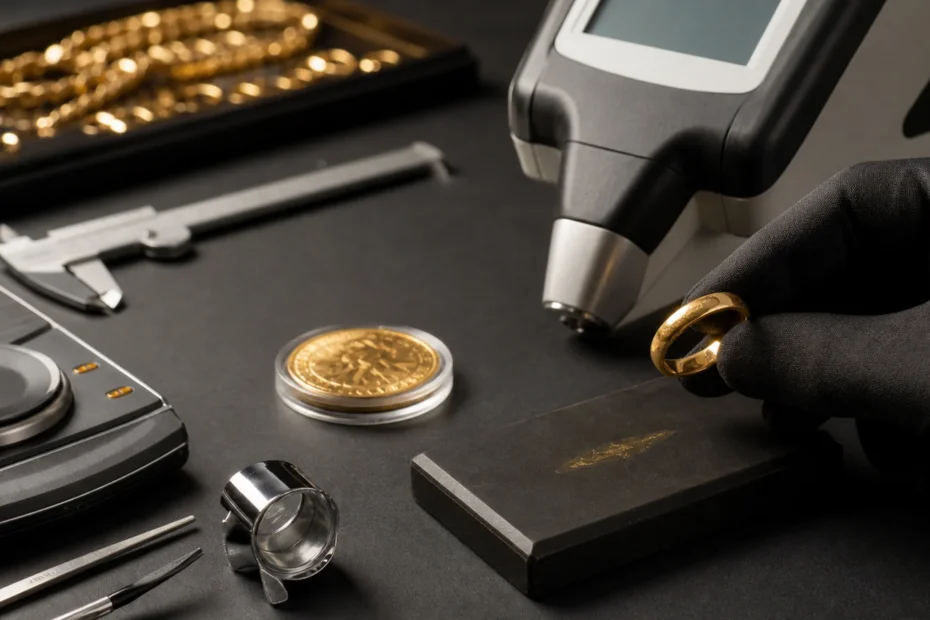
Check marks, provenance, weight and dimensions before using a magnet as a screen. Learn what each step can show—and when a jeweler or XRF test… Read More »How to Tell If Gold Is Real: Safe At-Home Checks
Pure gold has no characteristic smell. Metallic odors usually come from skin chemistry, alloy metals, residue or storage—not from gold itself.