
Is White Gold Magnetic? Alloy Differences and Test Limits
White gold is usually not strongly magnetic, but alloys and clasps vary. Learn how to interpret weak, localized, and strong magnet responses.
On GoldConsul, Gold Alloys is explained in practical language so you can understand how this topic affects buying decisions, portfolio choices, and long-term value planning without guesswork. The goal is to help you evaluate Gold Alloys through clear checkpoints: quality indicators, seller transparency, realistic pricing context, and the risks that matter most in actual scenarios. The tag page is useful for building a repeatable checklist around Gold Alloys, from initial screening to due diligence and final confirmation in your own buying or selling plan. The Gold Alloys archive gives you a structured reading path so beginners and experienced readers can find exactly the level of depth they need, then act on it. As a result, you get a structured, SEO-friendly overview of Gold Alloys that is useful for quick reference and deeper study. If you”re comparing long-term performance, the discussion around Gold Alloys becomes easier when you map fundamentals, risks, and entry points into one checklist.
White gold is usually not strongly magnetic, but alloys and clasps vary. Learn how to interpret weak, localized, and strong magnet responses.
A practical guide to white gold properties, including alloy composition, rhodium plating, durability, care, and authenticity checks.
Clear guide to 22K gold jewelry durability, best uses, ring risks, alloy comparisons, and buyer checks.

Rose gold is not tacky by default. Learn when it looks timeless, when it looks cheap, and how to choose solid or plated pieces.
Yellow gold can be given a bright white surface with rhodium plating, but the underlying alloy remains yellow and the coating eventually wears. This guide… Read More »Can You Turn Yellow Gold Into White Gold? | Plating, Remaking, and Real Costs
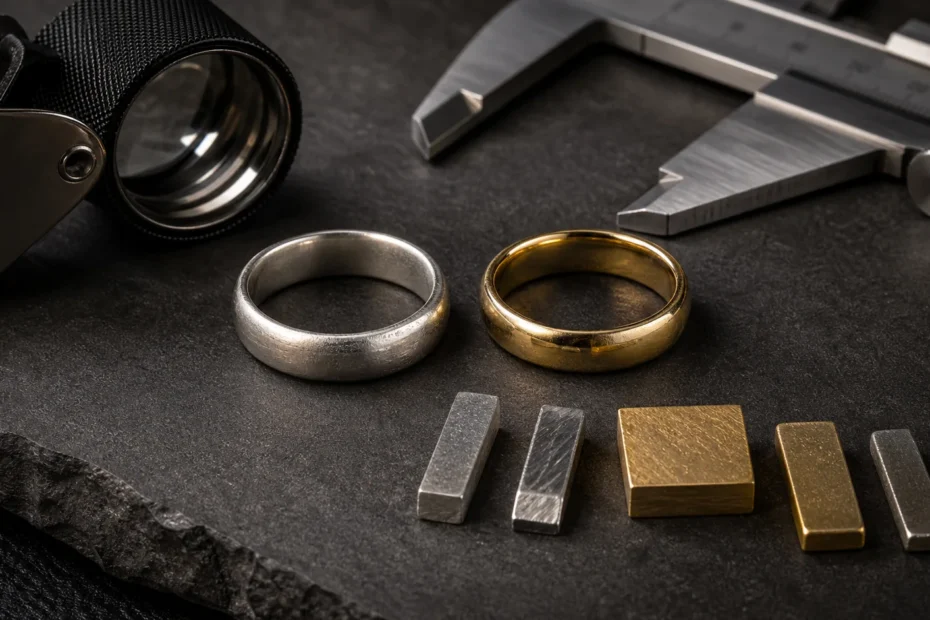
Silver is not universally stronger than gold because pure metals, sterling silver, and 14K, 18K, or 24K gold behave differently. This guide separates hardness, bending,… Read More »Is Silver Stronger Than Gold? | Alloys, Hardness, and Daily-Wear Reality
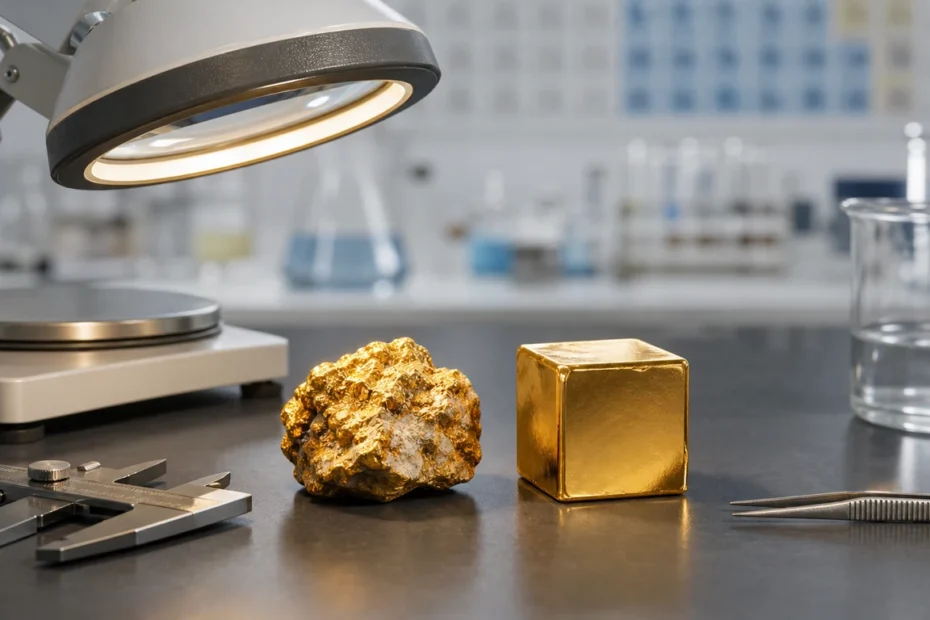
Yes, gold is the chemical element Au, atomic number 79. Learn how elemental gold differs from alloys, compounds, bullion purity, and jewelry labels.
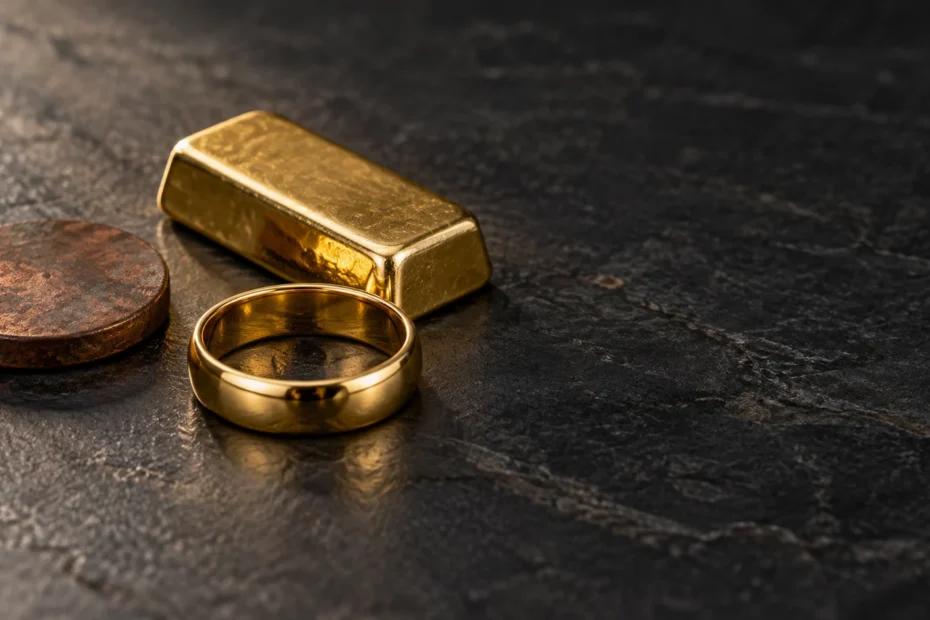
Gold cannot form iron rust. Learn why alloys and plating discolor, what red or dark spots may mean, and how to check an item safely.
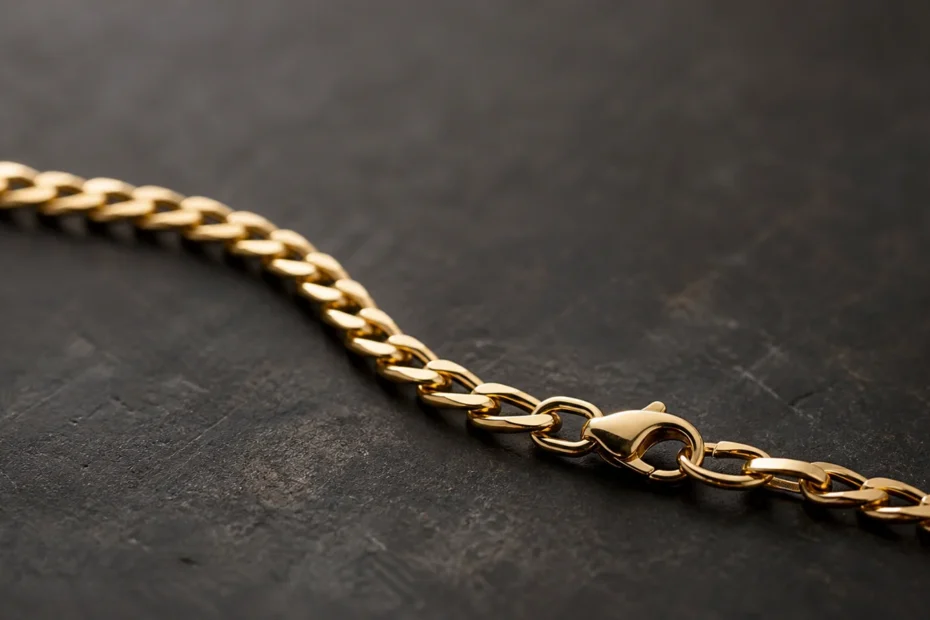
A gold chain can break under a whipping motion because shock loading concentrates force at its weakest link. Learn which construction details matter and when… Read More »Can You Break a Gold Chain by Whipping It? Strength Explained
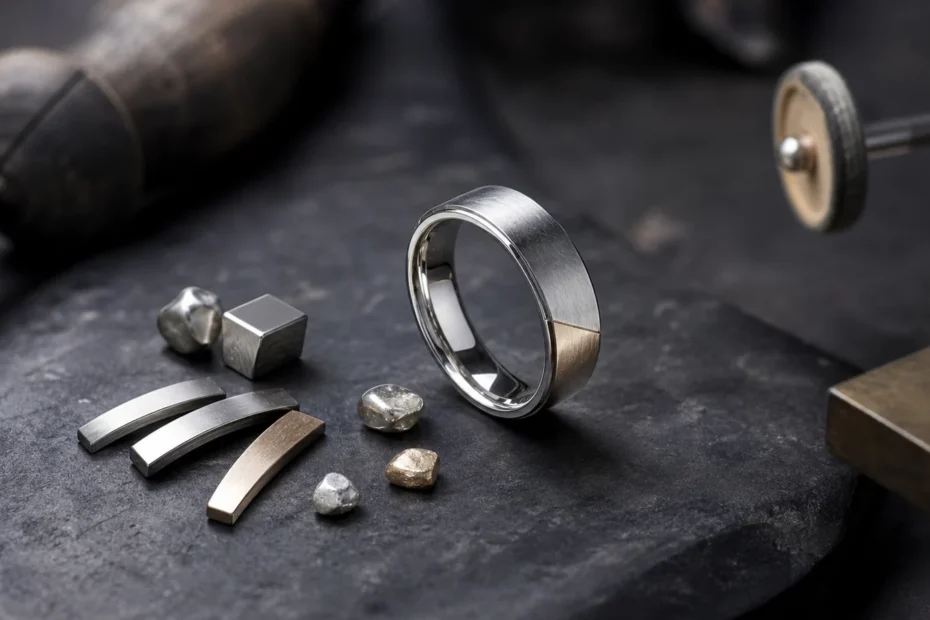
White gold is a gold alloy made paler with metals such as nickel or palladium and often finished with rhodium. Compare 14K, 18K and platinum… Read More »What Is White Gold? Alloys, Rhodium, and Buying Guide

White gold is gold alloyed with metals such as nickel or palladium and often rhodium plated. Compare 14K, 18K, allergies, maintenance and hallmarks.
Pure gold has no characteristic smell. Metallic odors usually come from skin chemistry, alloy metals, residue or storage—not from gold itself.