
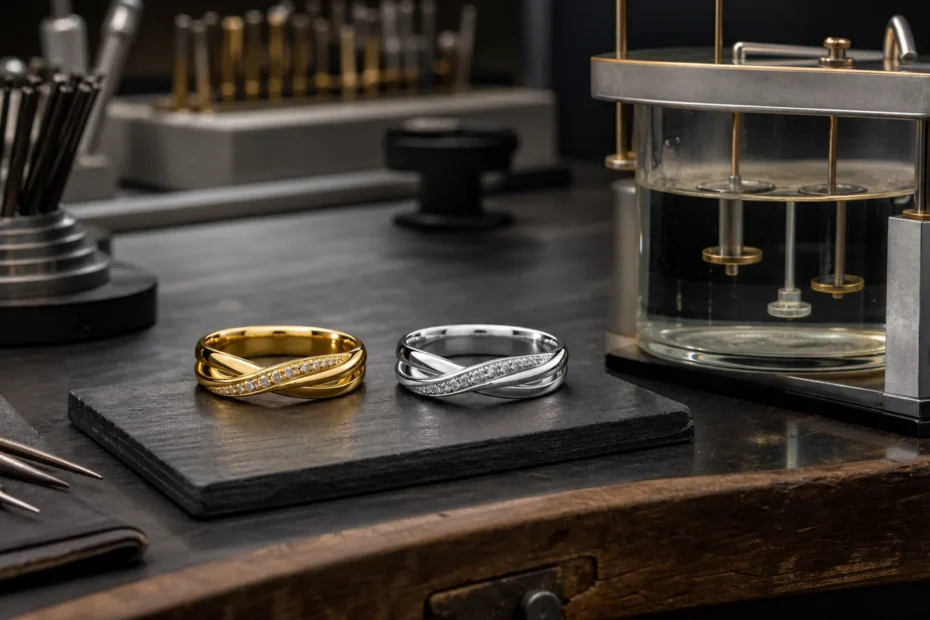
Compare rhodium plating, resetting, and remaking yellow gold, including durability, stone risks, maintenance, and long-term cost.
- Rhodium plating changes the surface appearance, not the underlying yellow-gold alloy.
- High-friction areas reveal yellow first, so maintenance frequency depends on the piece and wear.
- Compare plating, resetting, and remaking after documenting stones, condition, and sentimental details.
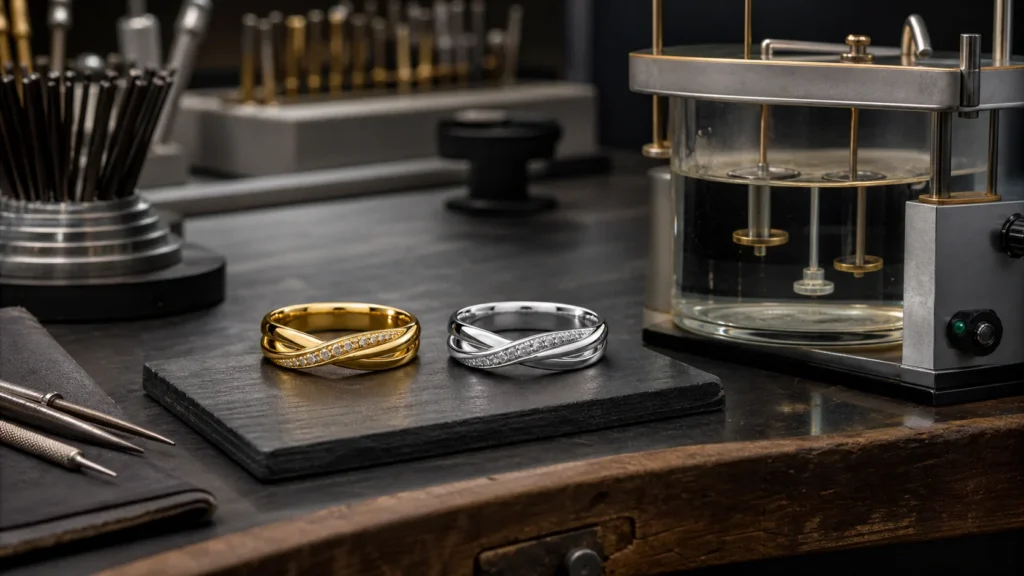
You can make yellow gold look white, but ordinary rhodium plating does not turn the underlying alloy into white gold. A jeweler can polish and plate the surface for a bright white finish, yet wear will eventually reveal yellow at high-contact areas. A permanent material change requires melting and reformulating the alloy or remaking the piece, which may be impractical for a finished ring and risky for stones, engraving, or sentimental details.
The right choice depends on what you mean by “change.” If you want a temporary white appearance for a piece you already own, plating may work. If you want a naturally whiter base metal with predictable long-term maintenance, resetting or remaking usually gives a cleaner result.
- Rhodium plating changes the surface color, not the gold alloy.
- The coating wears fastest on ring bottoms, edges, prongs, and areas exposed to friction.
- White gold itself is a gold alloy and may still have a warm gray or pale yellow tone without rhodium.
- Melting and re-alloying a finished piece is not a simple color-service procedure.
- Compare repeated maintenance with the cost and sentimental risk of remaking.
Yellow Gold and White Gold Are Different Alloys
Pure gold is yellow. Jewelers change its color and working properties by combining it with other metals. Yellow gold alloys are formulated to retain a warm gold color; white gold alloys use metals such as nickel or palladium to reduce yellow appearance. Karat still describes gold content: 14K contains about 58.5% gold and 18K contains 75% gold, regardless of color.
GoldConsul’s white-gold composition guide explains how the non-gold portion changes color, hardness, cost, and possible skin response. The deeper point is that “white gold” is not a naturally white element. It is an engineered family of alloys.
GIA’s overview of jewelry metals and white gold likewise distinguishes the alloy from the rhodium surface that creates a brighter white. That distinction should appear in the jeweler’s explanation and your service record.
Identify the Piece Before Changing It
Check the hallmark, but do not rely on it alone. A stamp may indicate 10K, 14K, 18K, 585, or 750, while older pieces can have worn marks, repairs, or replacement components. A jeweler should inspect whether the item is solid gold, gold-filled, plated, hollow, or assembled from mixed metals. The service that works for a solid ring may damage or expose a plated object.
Ask for an intake record showing stone condition, measurements, existing cracks, loose prongs, engraving, and current finish. Photograph the piece from every side. Cleaning and polishing can reveal damage that was hidden by dirt, and a later disagreement is easier to resolve when both parties documented the starting condition.
If alloy behavior is central to the decision, GoldConsul’s white gold properties guide explains the differences among nickel- and palladium-based families.
Three Realistic Ways to Get a White Look
| Option | What changes | Durability | Best fit |
|---|---|---|---|
| Rhodium plate the yellow-gold piece | Only the outer surface | Requires renewal as the coating wears | Low-commitment cosmetic change |
| Reset stones in a white-gold or platinum setting | The visible setting or entire mount | Depends on new alloy and construction | Important stones or a design worth preserving selectively |
| Remake the piece | Complete structure and base alloy | Permanent base-color change, though white gold may still be plated | Long-term preference or heavily worn jewelry |
Option 1: Rhodium Plating
Rhodium is a bright, hard, reflective platinum-group metal applied in a very thin layer. A jeweler normally cleans, repairs, polishes, and prepares the piece before electroplating. The result can look convincingly white, but it remains a coating over yellow gold.
GIA notes that white gold is often rhodium-plated and requires occasional renewal. The FTC’s jewelry-guide record also discusses consumer disclosure because rhodium wears away and replating may be needed to maintain the color. GoldConsul explains the distinction in Does White Gold Plating Use White Gold?
The FTC’s Jewelry Guides discussion records why consumers may need to know that a white appearance depends on a coating that can wear. The practical lesson is to ask what is underneath and what future maintenance will be required.
Plating is not equally suitable for every piece. A pendant or earring sees less abrasion than a ring worn daily. Deep engraving, matte finishes, mixed-metal details, porous solder, and delicate stones may complicate preparation. Ask the jeweler whether polishing will soften edges or remove intentional texture.
Option 2: Resetting
If the stones carry most of the value, moving them into a new white-metal mounting can preserve the important components without pretending a coating is permanent. This is often the more transparent answer when a ring needs substantial repair anyway. The jeweler should inspect stone condition, measure wear, and explain whether prongs, channels, and seats can be reused.
Option 3: Melting and Remaking
In theory, a refiner or manufacturing jeweler can melt gold, assay it, and reformulate an alloy. In practice, simply adding “white” metals to an existing finished piece can lower the karat, create uncertain composition, and produce poor color or working properties. Solder, prior repairs, plating, and contamination complicate the melt. A professional may recommend refining the old gold for credit and making the new piece from a controlled alloy instead.
Stone removal is a separate risk. Heat-sensitive, treated, included, or fragile gems may not tolerate normal bench procedures. Even durable stones can chip during removal from a worn setting. Obtain a written explanation of who assumes that risk and whether the stones will be measured, mapped, or independently appraised before work begins.
White Gold Is Not Necessarily Paper White
Even a correctly formulated white-gold alloy can have a warm gray or faint yellow cast. Rhodium creates the icy showroom white many buyers expect. This matters when comparing a newly plated ring with an unplated white-gold repair: the difference may reflect surface finish, not a wrong karat or fake metal.
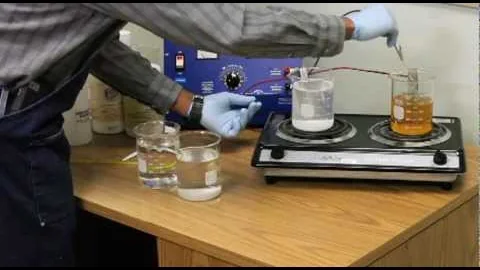
Watch: This jeweler demonstration shows the preparation and rhodium-plating process behind a white surface finish.
How Long Will Plating Last?
There is no universal interval. Wear depends on piece type, coating thickness, surface preparation, friction, body chemistry, cleaning, occupation, and how often the jewelry is worn. Daily rings often show color first on the underside of the shank and exposed edges. Earrings may retain the finish much longer.
If a white-gold ring is already showing yellow, GoldConsul’s guide Why Is My White Gold Ring Turning Yellow? helps distinguish normal coating wear from dirt, damage, and alloy color. Clean plated jewelry gently; the instructions in How to Clean White Gold avoid abrasive shortcuts.
Costs Beyond the Plating Fee
A quote may include cleaning and plating but exclude prong repair, sizing, stone tightening, polishing, or restoration of an intentional finish. Repeated polishing removes a small amount of metal and can gradually soften engraving and sharp design lines. Ask which steps are required every visit and which are optional.
Remaking also has hidden variables: design labor, new alloy, stone setting, refining loss, hallmarking, appraisal, and the credit offered for old gold. Sentimental value cannot be recovered from a metal credit. If preserving the original object matters more than achieving a permanent white color, occasional plating may be the rational compromise even when its cumulative monetary cost is higher.
For a technical example of how plating can affect composition readings, GIA’s laboratory note on gold-plated gold shows why surface analysis must be interpreted in context.
Replating Cost Over Time
Enter your jeweler’s quote, expected interval, and remake estimate. This Chart.js tool is illustrative; it does not predict wear or recommend a service.
Excludes repairs, stone work, metal credit, tax, inflation, and differences in workmanship.
Questions to Ask the Jeweler
- Is the piece solid yellow gold, plated, filled, or a mixed-metal construction?
- Are there stones or finishes that cannot tolerate the normal preparation process?
- Will polishing change engraving, milgrain, sharp edges, or matte texture?
- What color should I expect when the coating begins to wear?
- What warranty or maintenance terms apply?
- Would repair plus replating cost enough that a new setting deserves a quote?
- If remaking, will my original metal be reused, refined for credit, or returned?
Frequently Asked Questions
Can a jeweler dip yellow gold to make it white?
Yes, rhodium plating can create a white surface. The underlying yellow-gold alloy remains unchanged.
Will yellow show through again?
Usually, as the coating wears at high-friction areas. Timing varies widely by piece and use.
Can yellow gold be melted into white gold?
It can be refined and reformulated professionally, but adding metals to a finished piece is not a predictable home or routine repair method.
Does rhodium plating reduce the karat?
No. The base item’s gold content does not change, though the surface has a separate rhodium layer.
Is platinum a better remake choice?
It may provide a naturally white alternative, but it has different weight, cost, wear, fabrication, and repair characteristics. Compare the actual design and use.
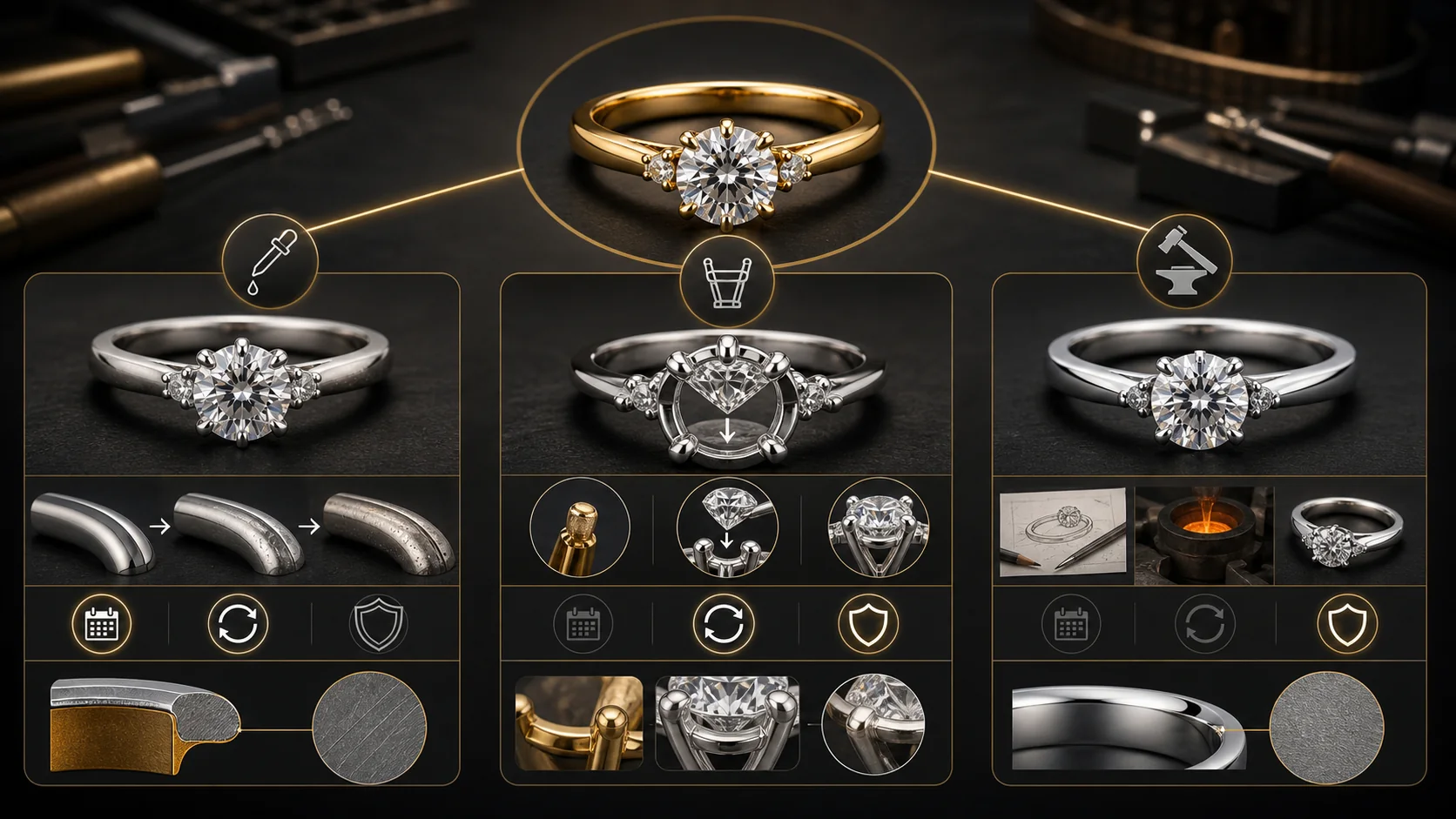
Choose plating for appearance, resetting for selective preservation, and remaking for a true structural change. Get quotes for both the first service and long-term maintenance before deciding.
 When you purchase a service or a product through our links, we sometimes earn a commission, at no extra cost to you.