
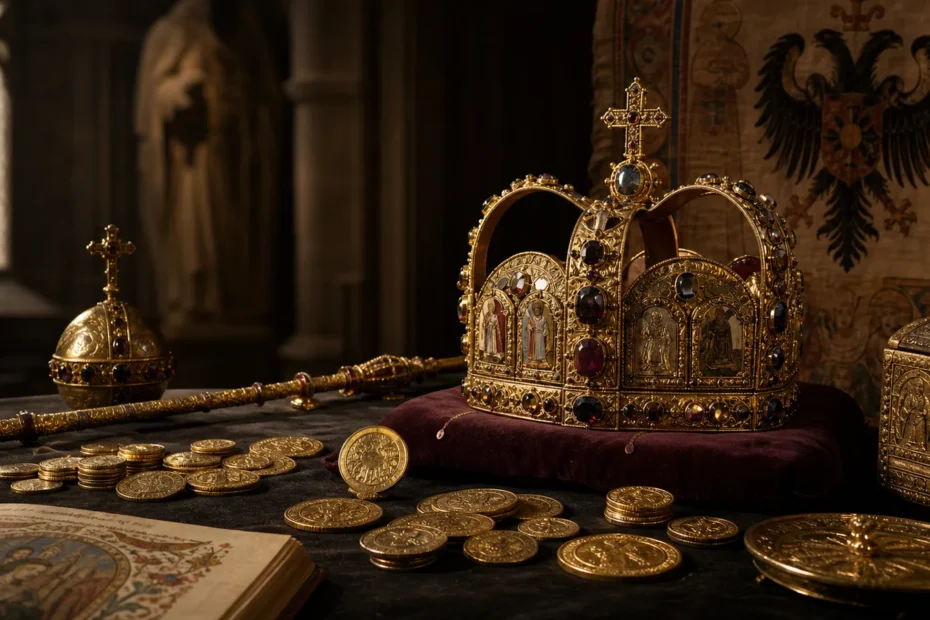
Gold in the Holy Roman Empire: Coinage, Regalia and Power
Gold in the Holy Roman Empire explained through imperial regalia, ducats, gulden, church treasures, coinage reform, and political authority.
On GoldConsul, Gold Coinage is explained in practical language so you can understand how this topic affects buying decisions, portfolio choices, and long-term value planning without guesswork. The goal is to help you evaluate Gold Coinage through clear checkpoints: quality indicators, seller transparency, realistic pricing context, and the risks that matter most in actual scenarios. The tag page is useful for building a repeatable checklist around Gold Coinage, from initial screening to due diligence and final confirmation in your own buying or selling plan. The Gold Coinage archive gives you a structured reading path so beginners and experienced readers can find exactly the level of depth they need, then act on it. As a result, you get a structured, SEO-friendly overview of Gold Coinage that is useful for quick reference and deeper study. If you”re comparing long-term performance, the discussion around Gold Coinage becomes easier when you map fundamentals, risks, and entry points into one checklist.
Gold in the Holy Roman Empire explained through imperial regalia, ducats, gulden, church treasures, coinage reform, and political authority.
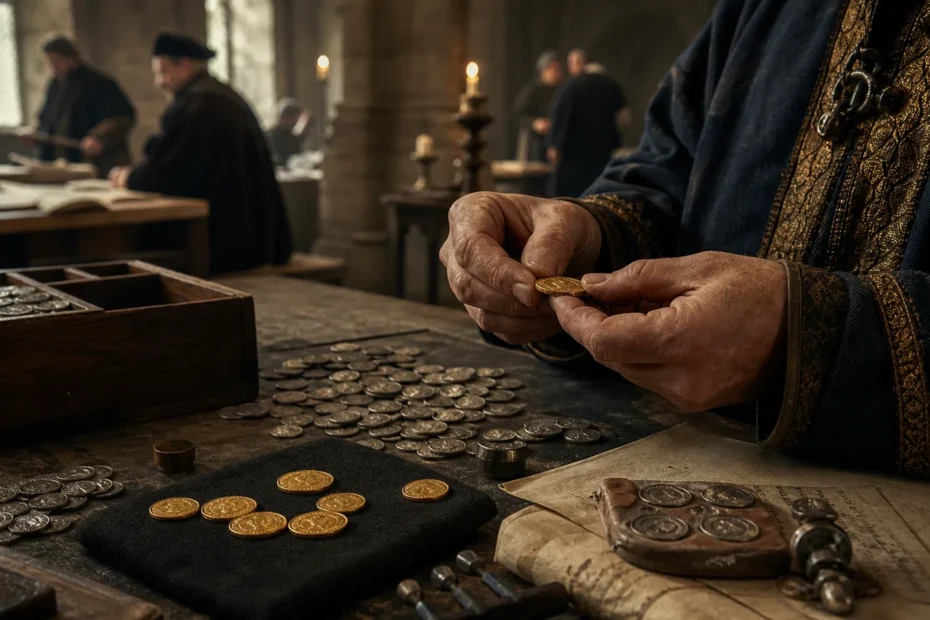
How gold worked in the Carolingian Empire: rare coinage, royal prestige, church treasuries, and the silver denier reform.
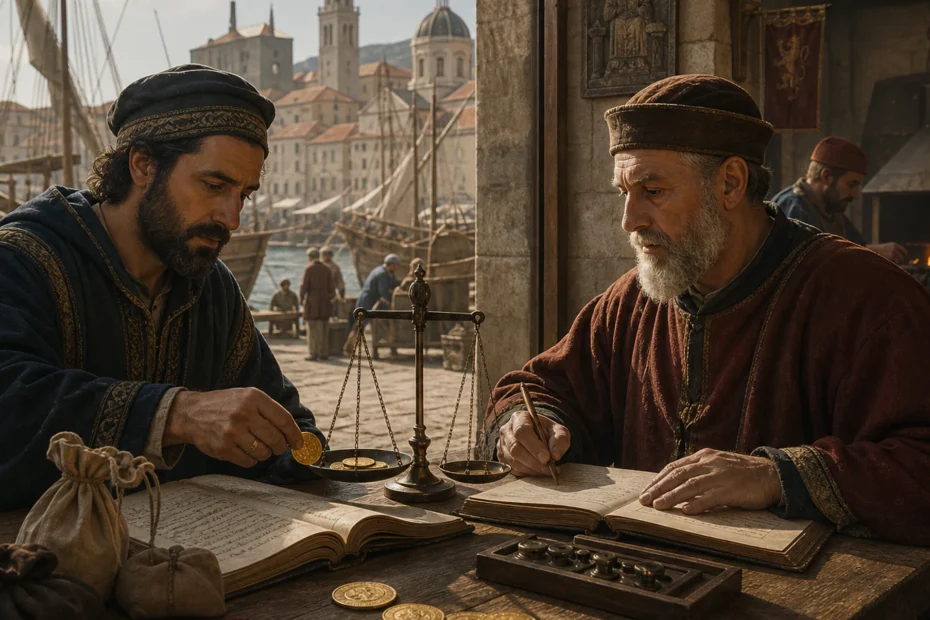
How gold affected high-value settlement, banking, royal finance and mints—and why silver, credit and obligations still mattered more day to day.
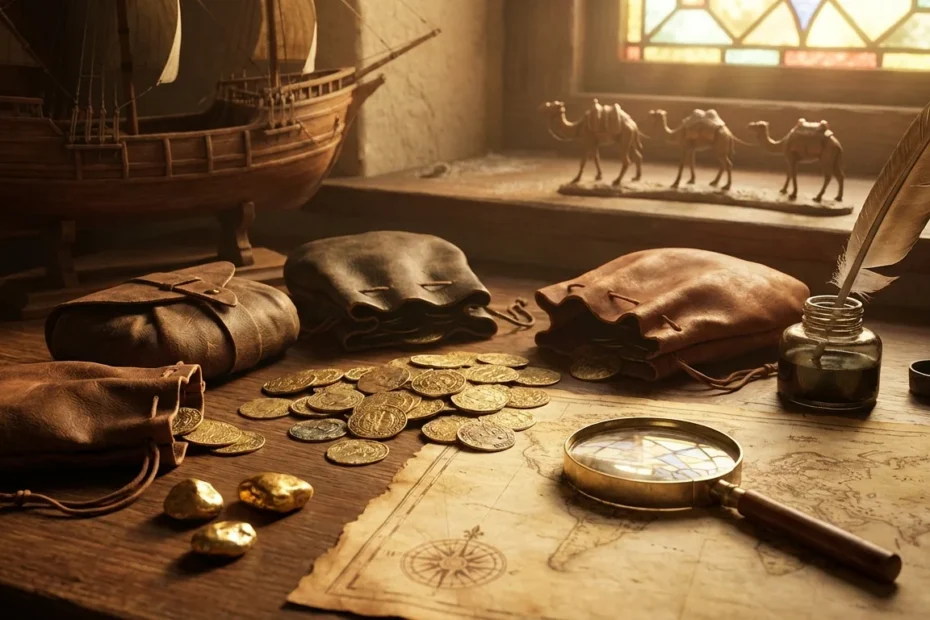
A clear map of medieval gold: where it came from, how trade and mints moved it, why florins and ducats mattered, and who actually used… Read More »Gold in the Middle Ages: Trade, Coins, Faith, and Power
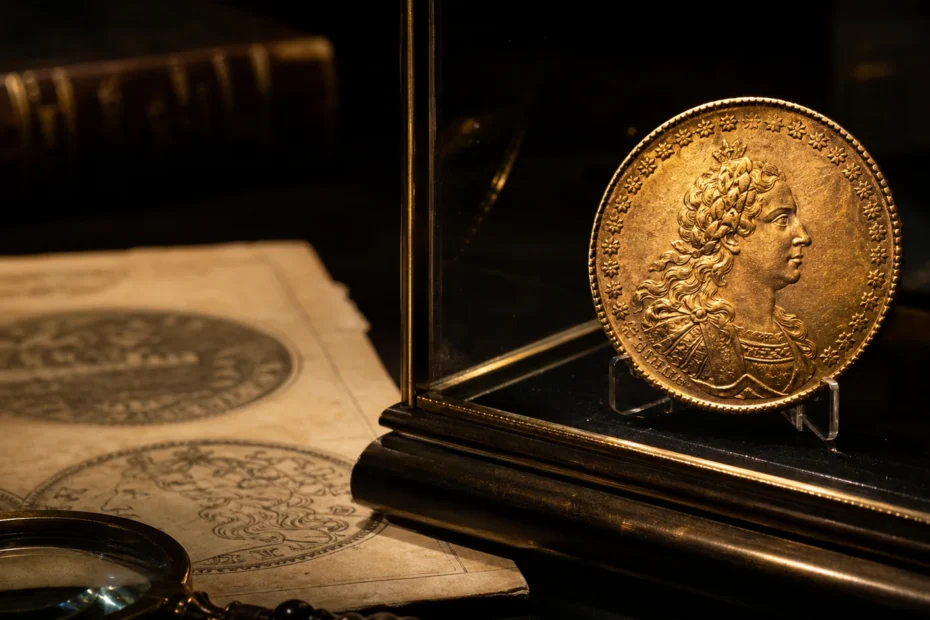
The most valuable gold coins are not necessarily the largest or those containing the most bullion. Public records are usually driven by an exceptional combination… Read More »Most Valuable Gold Coins | Verified Auction Records and Why They Matter