
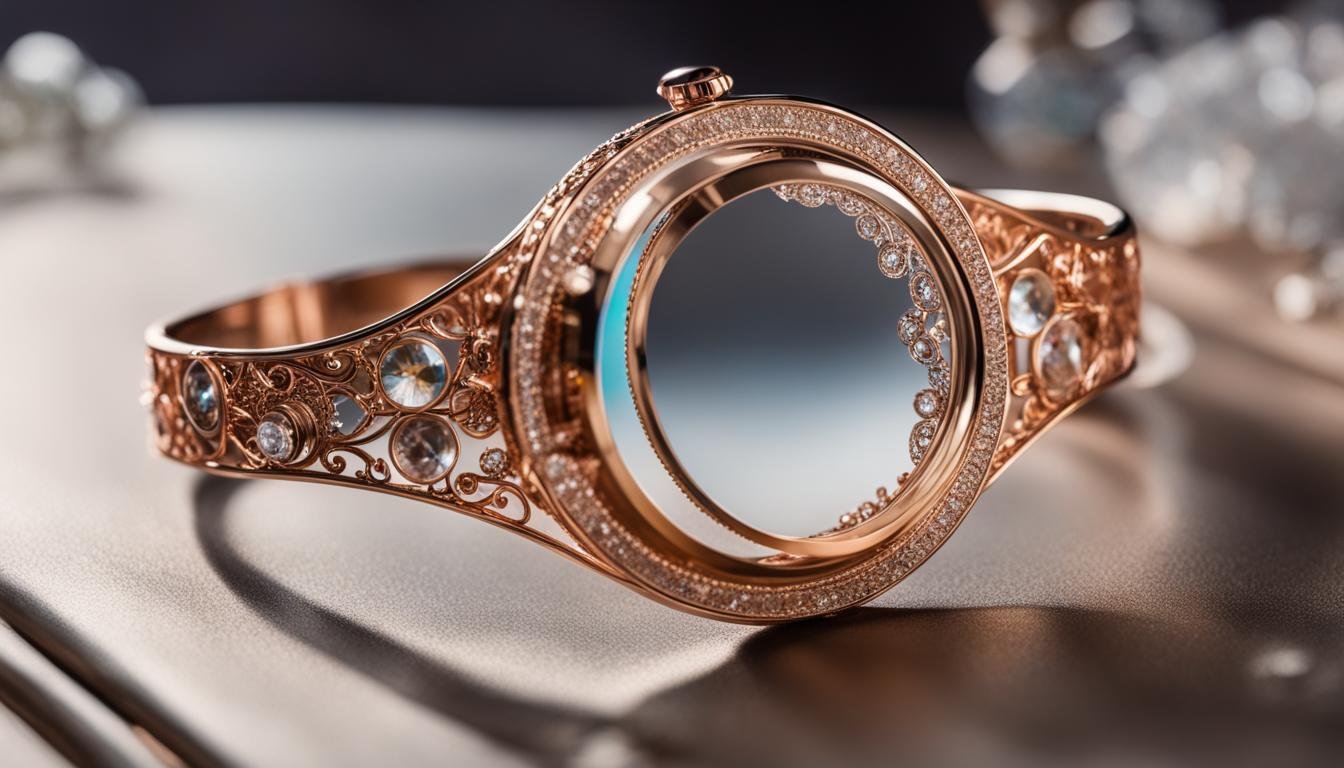
Rose gold can be genuine, plated, or simply mislabeled. The good news is that you can verify most pieces at home in minutes if you know what signals matter.
TL;DR
- Check for a stamp first: 10K, 14K, 18K, 585, or 750.
- Use a magnet and skin-wear check to spot common plated fakes.
- Rose gold is an alloy (gold + copper), so color alone is never proof.
- If value matters, ask for a jeweler acid/XRF test and keep the report.
How can you tell if rose gold is real?
Start with three checks in order: hallmark, magnet response, and wear pattern at high-friction points (clasp, ring base, inner edges). Real solid rose gold usually has a legal fineness mark and does not expose a different base metal under normal use. Plated jewelry often shows tone changes where coating is thin.
Color is only a clue. Rose gold gets its pink tone from copper content, and shades vary between brands and karat levels. If you need a quick refresher on fineness and weight behavior across metals, compare with our guides on gold vs silver weight and density and why white gold changes color over time.
The GoldConsul Editorial Perspective
Most buyers overpay for “rose gold” because they trust color and marketing labels. Real protection comes from checking hallmark accuracy, construction details, and documentation before purchase.
9 practical tests that actually work
1) Read the hallmark correctly
Look for marks like 10K, 14K, 18K or fineness numbers 417, 585, 750. Use your phone camera zoom and check the inside shank (rings), clasp plate (chains), or back plate (pendants).
No visible mark does not always mean fake, especially on tiny pieces, but it raises risk. In regulated markets, hallmark rules are specific; the London Assay Office overview is useful for understanding what official hallmarking represents in practice: what hallmarking means and why it matters.
2) Confirm karat logic matches the selling price
If a piece is claimed as 18K rose gold but priced like costume jewelry, verify aggressively. Higher karat means more gold content and usually higher scrap value. This same price-vs-material logic appears in our comparison on diamond value versus gold value.
3) Do a magnet check (fast screening, not final proof)
Gold alloys are generally non-magnetic. A strong pull to a common magnet can indicate steel or other ferromagnetic base metals. But no pull does not prove authenticity, because many non-gold metals are also non-magnetic.
4) Inspect wear points for base-metal exposure
Check edges, prong tips, clasp corners, and inner ring bands. If you see silver-gray or yellow flashes under pink surface color, that often indicates plating over another metal.
5) Check for skin-reaction and residue patterns
Green/black skin marks can happen with copper-rich alloys and sweat chemistry, so this is not a standalone fake test. Treat it as a signal to combine with hallmark and jeweler verification.
6) Use a ceramic streak check carefully
On unglazed ceramic, fake gold-colored pieces may leave a dark mark. Real gold tends to leave a softer yellow-gold trace. This can scratch jewelry, so only do it on low-value pieces.
7) Compare tone consistency across the whole piece
Solid rose gold has relatively consistent tone; plated items often show micro-variation around joints and moving parts. Look under daylight and warm indoor light before deciding.
8) Ask for invoice wording and metal disclosure
A trustworthy seller states material precisely: for example, “14K rose gold” versus “rose gold tone” or “rose gold plated.” Keep the invoice and screenshots for disputes.
9) Use a jeweler test for high-value purchases
If the item is expensive, ask for acid test confirmation or XRF scan from a professional jeweler. For legal labeling context in the U.S., review the FTC Jewelry Guides summary here: 16 CFR Part 23 (Jewelry Guides).
What Most Buyers Miss
The key mistake is trusting color and price without verifying metal disclosure. In rose-gold jewelry, the resale outcome usually depends on whether the piece is solid alloy or plated.
Construction:
Solid rose gold holds value better than plated pieces.
Verification:
Hallmark + invoice wording are your first risk filter.
Decision:
For high-ticket buys, pay for one professional test.
Knowledge Gap: Color vs Construction
“Rose gold” can mean three very different products: solid alloy, filled, or plated. Many buying mistakes happen because shoppers compare only color and not construction method.
- Solid rose gold: Highest long-term value and repairability.
- Rose-gold filled: Better than basic plating, but still layered.
- Rose-gold plated: Lowest durability; usually lowest resale value.
Quick buy/skip checklist
| Signal | Interpretation | Action |
|---|---|---|
| Clear hallmark + precise invoice | Lower authenticity risk | Proceed if return policy is solid |
| No hallmark + vague listing text | High mislabeling risk | Skip or demand third-party test |
| Price far below market for claimed karat | Potential plated or non-gold core | Request XRF/assay evidence |
Common mistakes when checking rose gold at home
- Using only one test and treating it as final proof.
- Confusing “rose gold color” with “rose gold material.”
- Ignoring return windows while waiting to verify authenticity.
- Buying without documenting seller claims in writing.
If you are comparing alloys and plating outcomes across colors, see how yellow gold can be converted to white gold for a practical re-plating perspective.
Bottom line
If you want to know whether rose gold is real, combine hallmark reading, physical screening, seller documentation, and one professional verification step for expensive pieces. That process is faster than a return dispute and much cheaper than buying mislabeled jewelry.
FAQ: Real rose gold checks
Can real rose gold be magnetic?
Does rose gold tarnish?
Is 14K rose gold real gold?
Can a jeweler verify rose gold quickly?
What wording should I avoid when buying online?
 When you purchase a service or a product through our links, we sometimes earn a commission, at no extra cost to you.