
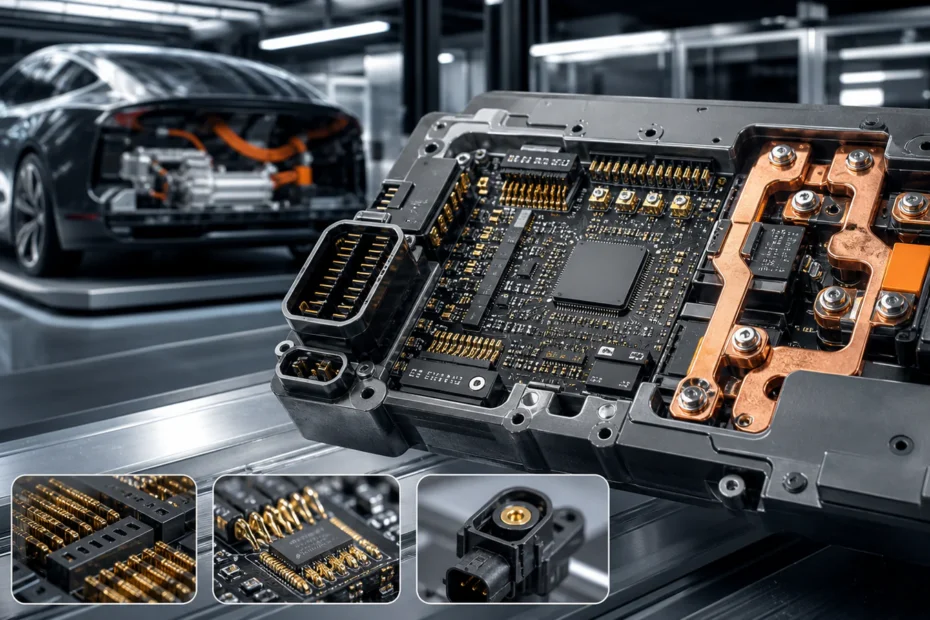
Gold in Electric Vehicles: Where It Is Used—and Where It Is Not
EVs use tiny, selective amounts of gold in high-reliability electronics, semiconductor packaging, sensors, control modules and some connector contacts—not as a battery material.
EVs use tiny, selective amounts of gold in high-reliability electronics, semiconductor packaging, sensors, control modules and some connector contacts—not as a battery material.

Learn where gold appears in solar-cell research, why mainstream modules use silver, copper and aluminum, and what blocks commercial adoption.
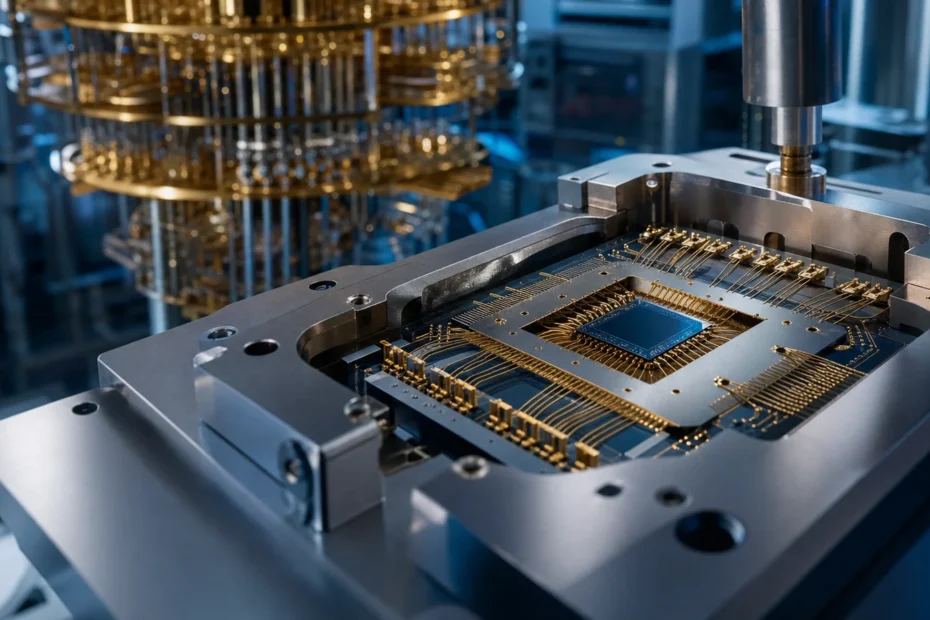
Learn where quantum hardware uses gold in contacts, wire bonds, packages and surface research—and why gold is not a universal qubit material.
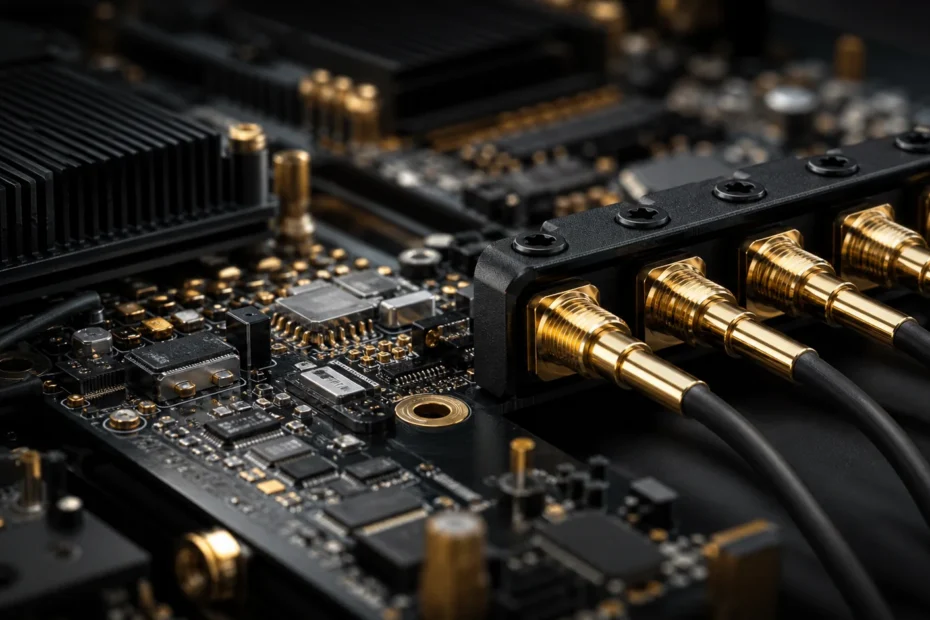
Gold is not used in 5G because it carries signals faster than every alternative. Engineers choose it selectively for corrosion-resistant contacts, bond wires, connector finishes,… Read More »How 5G Uses Gold | Components, Reliability, and Recycling
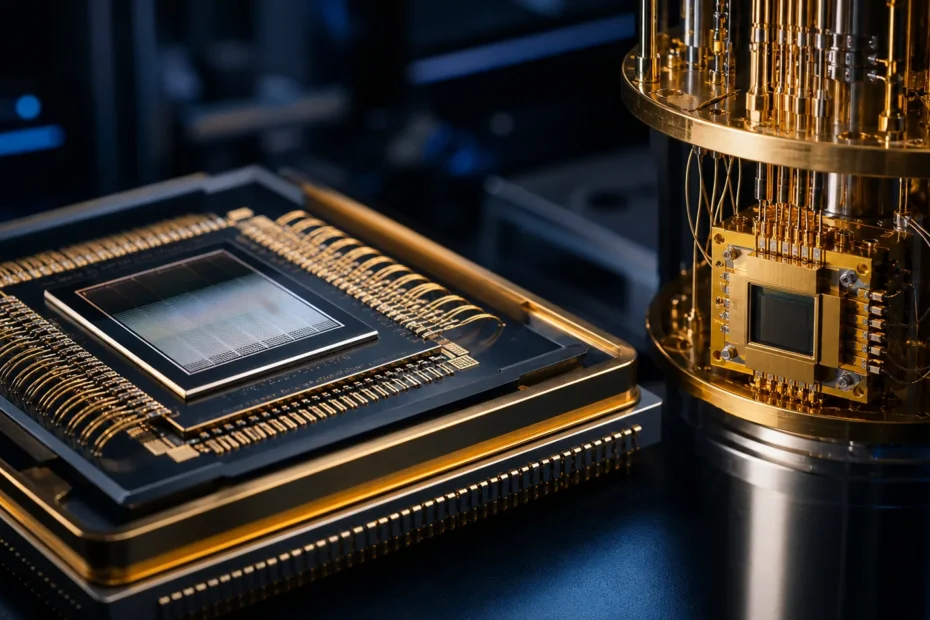
Gold supports advanced computing mainly at critical interfaces: bond wires, connector finishes, package contacts, photonic structures, sensors, and selected quantum-device components. It does not make… Read More »Gold in AI Hardware and Quantum Computers | What It Actually Does
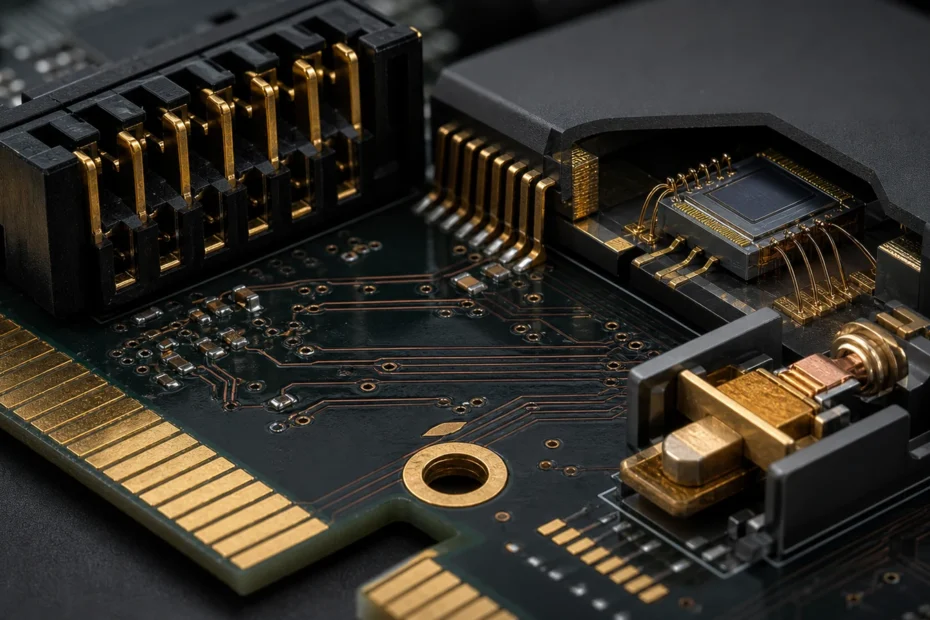
Gold keeps critical contacts, connectors and chip interconnects reliable because it conducts well and resists corrosion. See where it is used and why recycling belongs… Read More »Gold in Electronics: Uses, Recovery, and Recycling
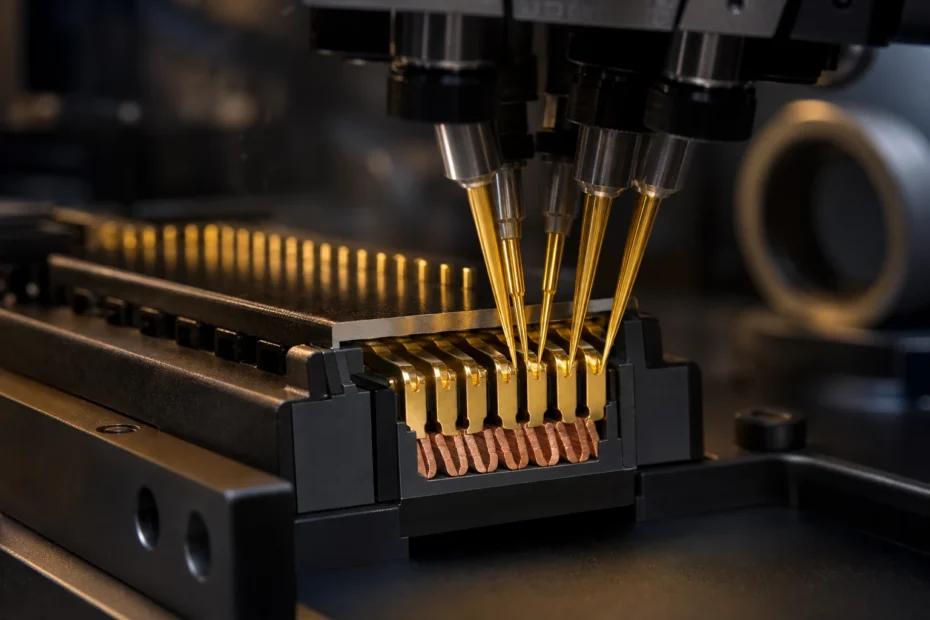
Gold conducts electricity well but trails silver and copper in bulk. Compare conductivity and resistivity, calculate resistance, and see why electronics still use gold.