

Learn why white gold rings turn yellow as rhodium wears, how alloy color shows through, and when cleaning, replating, or inspection makes sense next.
- Yellowing often means rhodium has worn off and the base alloy is showing.
- Wear usually starts on the shank, edges, and high-friction contact points.
- Inspect prongs and damage before replating so problems are not covered up.
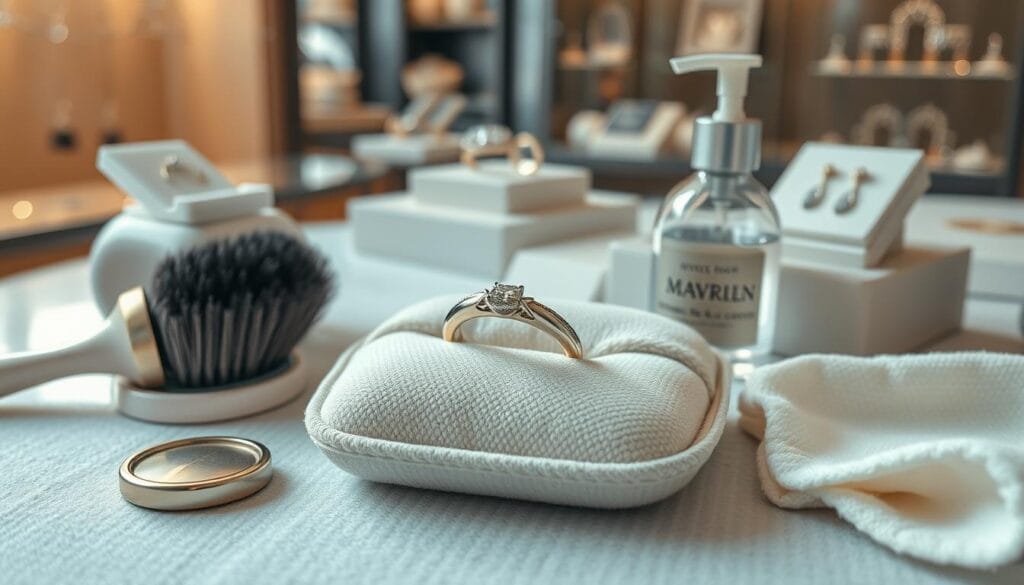
Yes, it is usually normal for a white gold ring to start looking yellow over time.
What you are seeing is most often the warm base tone of the white-gold alloy showing through as the rhodium finish wears off in high-friction areas.
The practical question is not whether the ring is ruined. The real question is whether the yellowing pattern looks like normal maintenance wear or a signal that the ring needs inspection before replating.
TL;DR
- White gold is not naturally bright white. Most rings rely on rhodium plating for that crisp finish.
- Yellowing usually starts on the bottom of the shank, edges, and prongs because those spots take the most friction.
- Fast color return can still be normal for daily-wear rings, but repeated quick wear may justify a jeweler check for finish quality, sizing wear, or prong stress.
- If you dislike recurring replating, platinum or palladium-based white-gold options may fit your long-term expectations better.
What Most Buyers Miss
A yellow cast on white gold usually means the finish cycle is catching up with real life. The bigger mistake is expecting white gold to behave like naturally white platinum without the same maintenance plan.
Why White Gold Turns Yellow in the First Place
White gold starts with yellow gold. Jewelers shift its tone by mixing in white metals, but the base alloy usually still carries a warmer cast than buyers expect.
That is why many commercial white-gold rings are finished with rhodium. As the GIA explains in its white-gold guide, the bright white look most people associate with white gold often depends on that final surface finish rather than the raw alloy color alone.
If your ring is turning yellow, the metal underneath is usually just becoming more visible. That is a maintenance issue, not necessarily a structural failure.
Where Yellowing Usually Shows Up First
The first yellow areas are usually the bottom of the band, side edges, and prong tips. Those zones absorb the highest amount of rubbing against skin, desks, steering wheels, and other hard surfaces.
This is also why two white-gold rings can age very differently. A low-contact dress ring may stay visually white much longer than a daily-wear engagement ring.
Chart 1: Typical Yellowing Pattern by Wear Zone
Relative color-return visibility over time by contact area (conceptual maintenance map)
Interpretation: Early yellowing on the underside is normal. Faster change on prongs or highly polished top surfaces deserves a closer jeweler check before you only replate.
Normal Wear vs a Ring That Needs a Closer Look
Normal wear usually looks gradual and localized. The color shift starts in specific friction zones and spreads slowly.
A closer look is smarter when the color return seems fast, uneven, or paired with loose stones, thinning prongs, rough edges, or fresh sizing seams. That is especially true if the ring was recently replated and already looks warm again.
| Signal | Usually normal | Worth inspecting before replating |
|---|---|---|
| Bottom of band looks warmer | Yes, common daily-wear pattern | No, unless wear is extremely fast |
| Prongs look yellow very quickly | Sometimes | Yes, check prong wear and security first |
| Patchy finish after recent replate | No | Yes, finish quality or prep issue possible |
| Yellowing plus loose stone or rough seam | No | Yes, repair before cosmetic work |
14k vs 18k White Gold Maintenance Reality
Readers often assume 18k white gold must hold its white color better because it is more expensive. In practice, the opposite maintenance impression can happen because the higher gold content can allow a warmer base tone to show more clearly once the surface finish wears.
This does not make 18k worse. It just means you should not confuse luxury positioning with lower upkeep.
That trade-off is one reason jewelers like Brilliant Earth and James Allen frame white-gold choice around appearance, alloy composition, and maintenance expectations rather than color permanence.
Chart 2: What Usually Speeds Up Yellow Return
Share of typical visible wear pressure by driver group (conceptual, not lab data)
Desks, gripping, keyboard use, gym contact, sleep wear.
Frequent handwashing and product residue do not create the base yellow tone, but they can accelerate finish dullness.
Some owners simply move through replating cycles faster than others.
Interpretation: The biggest driver is usually friction, not a hidden defect. That is why wear zones matter more than panic about authenticity.
What does rhodium plating a white-gold ring cost?
A quote is usually a bundle of inspection, cleaning or polishing, preparation and rhodium plating—not just the metal coating. A simple, sound ring may need less work than a ring with loose stones, worn prongs or an old finish that must be addressed first. Ask for a written, itemized estimate before approving any work.
| Possible line item | Why it matters |
|---|---|
| Cleaning / polish | May restore appearance without plating; aggressive polishing removes metal |
| Stone and prong inspection | Finds damage that a new bright finish would not fix |
| Rhodium plating | Coating cost depends on the shop and preparation |
| Repair or resizing | Separate labor; finish should follow structural work |
As a shop example, not a U.S. average, Quick Jewelry Repairs describes rhodium plating starting at $69 on its service guide; a current quote may differ. Compare the final price, scope, turnaround and any service warranty across jewelers. If you are also changing the fit, read our ring-resizing cost guide; for routine cleaning, see how to clean white gold.
Replate, Inspect, or Change Metals?
If the ring is structurally sound, replating is usually the simplest fix. It restores the bright white finish without remaking the ring.
If the ring has worn prongs, a thin shank, or recent repair work, inspection should come first. Cosmetic finishing should not come before structural work.
If you already know you dislike recurring maintenance, then this is the moment to think longer term. A buyer who wants a naturally white look with fewer color-return cycles may be happier with platinum or a palladium-heavy white-gold option.
Use this simple rule before you spend money
Replate now
Your ring is secure, the yellowing is mostly on contact areas, and you still like white gold enough to maintain it.
Inspect first
Your prongs, seams, or setting look uneven, worn, loose, or newly yellow after a recent service.
Rethink the metal
You are frustrated by repeated upkeep and want a naturally whiter long-term appearance.
The GoldConsul Editorial Perspective
Most owners do not lose value because white gold turns yellow. They lose patience because nobody explained that white gold is an appearance-plus-maintenance decision, not a maintenance-free white metal.
What the Top Search Results Usually Skip
The usual answer is technically correct but commercially incomplete. Yes, the rhodium wore off.
The missing part is ownership planning. A ring that turns yellow is not automatically low quality, but a ring sold without a realistic replating conversation creates the wrong expectation from day one.
Why the maintenance timeline matters more than the color scare
Search results often frame yellowing as a defect story. The better framework is a lifecycle story.
Ask four questions instead: where is the color returning, how fast, after what kind of wear, and do you still like white gold enough to keep servicing it. Those questions lead to better decisions than generic panic about “bad” gold.
Maintenance Planning by Lifestyle
Your replating rhythm depends less on theory and more on how your ring lives day to day. An office worker who removes a ring for workouts and cleaning often gets a very different wear pattern than someone who keeps it on all day through every task.
Chart 3: Practical Replating Pressure by Lifestyle
Maintenance intensity map by use case and likely yellow-return pressure
Interpretation: The same ring can look low-maintenance or high-maintenance depending on the wearer. Lifestyle explains a large part of the difference.
What You Can Do Right Now
If your ring only shows a mild warm tint on the bottom, book a normal inspection and ask whether replating still makes sense at the same visit. If the ring is secure, this is usually a routine fix.
If the yellowing looks sudden, patchy, or unusually fast, ask the jeweler to check prongs, seams, and recent repair areas before cosmetic finishing. If you want to reduce future upkeep, compare that service cost with the long-term case for platinum or another white-metal alternative.
- Remove the ring for gym work, harsh cleaners, and rough manual tasks.
- Keep lotions, hair products, and cleaning chemicals off the ring when possible.
- Use mild soap and water for home cleaning, not abrasive experiments.
- Track how long the last bright-white finish actually lasted. That gives you a real maintenance baseline.
- Read our related guides on does white gold turn yellow, what white gold is made of, how white-gold plating works, how to clean white gold, and whether yellow gold can be turned white.
Video walkthrough: this clip shows why white gold looks yellow again after rhodium wear and what replating actually solves.
Bottom Line
If your white gold ring is turning yellow, the most likely reason is simple: the rhodium finish is wearing and the warmer alloy underneath is showing through.
That is usually normal. The better question is whether the wear pattern still fits your expectations, your lifestyle, and your willingness to maintain white gold as a polished finish rather than a permanent color state.
FAQ: Why Is My White Gold Ring Turning Yellow?
Is it normal for white gold to look yellow after a while?
Yes. In most cases that color return means the rhodium finish has worn and the warmer base alloy is becoming visible again.
Does yellowing mean my ring is fake?
No. Yellowing is usually a maintenance pattern, not proof of fake gold. Authentic white gold often depends on surface plating for its bright-white appearance.
How often does a white gold ring need replating?
That depends on wear pattern, alloy, and lifestyle. Daily-wear rings often need service sooner than occasional-wear pieces.
Should I replate immediately when I see yellow areas?
Not always. If the ring is due for inspection anyway, ask the jeweler to check prongs and structure first, then decide whether cosmetic replating is the right next step.
What if I do not want this maintenance cycle anymore?
Then your best long-term answer may be a different white-metal choice rather than repeated replating. Platinum is the usual comparison point for buyers who want a naturally white look.
 When you purchase a service or a product through our links, we sometimes earn a commission, at no extra cost to you.