
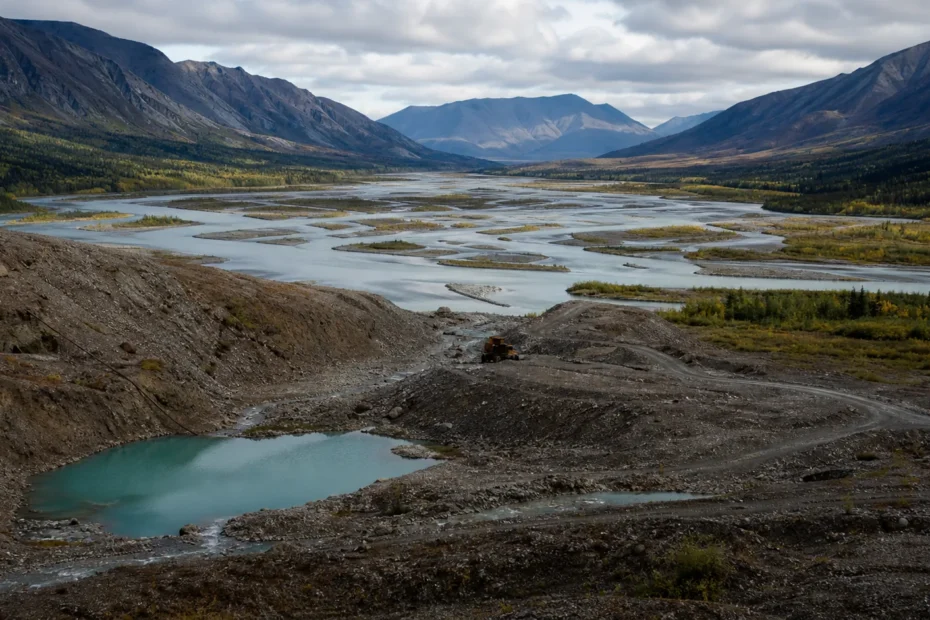
Review mines in the Yukon through Klondike history, major regions, placer mining, modern projects, access rules, environmental risk, and economics.
- Yukon mining includes placer camps, hard-rock projects, and old liabilities.
- First Nations governance and permits matter as much as geology.
- Separate Klondike nostalgia from current mine risks and future outlook.
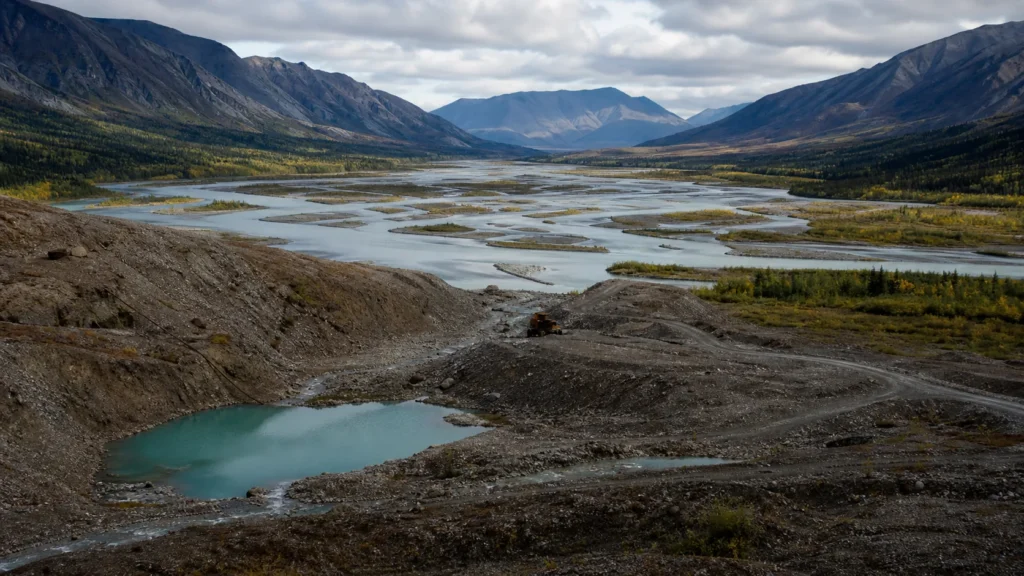
Mines in the Yukon are not just a Klondike nostalgia story. The territory still has placer gold camps, hard-rock exploration, abandoned mine liabilities, First Nations governance questions, and a mining future shaped as much by water, roads, permits, and reclamation as by metal prices.
The useful way to read Yukon mining is to separate three layers: the gold rush history that made Dawson famous, the regional mineral belts that still attract exploration, and the legal and environmental filters that decide whether a project can move from map to mine.
TL;DR: Mines in the Yukon
- The Yukon mining story begins long before the Klondike Gold Rush, but the 1896 Bonanza Creek discovery made the region globally famous.
- Modern Yukon mining includes placer gold, quartz or hard-rock deposits, silver-lead-zinc districts, copper-gold projects, and many exploration-stage claims.
- Important regions include the Klondike, Dawson Range, Keno Hill, Mayo, and the historic Faro area.
- Every serious mining plan should be read through access, First Nations rights, water, reclamation, security, and environmental assessment.
- The future is not simply “more mines”; it is selective development under tighter review, higher cleanup expectations, and volatile commodity cycles.
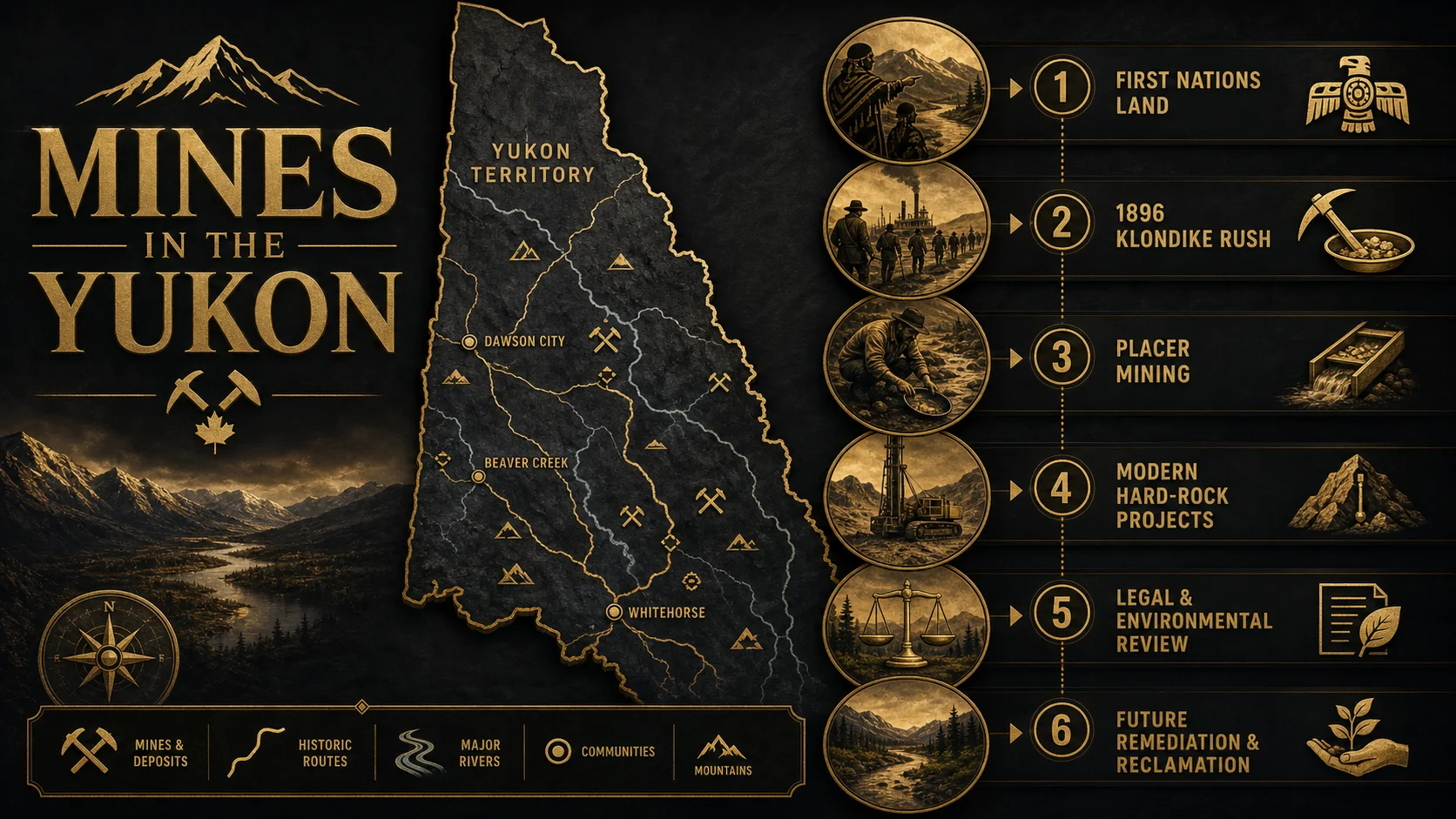
Why the Yukon Became a Mining Region
The Yukon sits in a mineral-rich part of northwestern Canada where ancient geological events created gold, silver, lead, zinc, copper, and other mineral systems. Rivers then reworked some of that gold into placer deposits, which are easier to discover than ore locked in bedrock.
That is why placer gold became the public face of Yukon mining. A prospector could pan or sluice stream gravels without building a deep mine. The same basic distinction still matters today: placer mining works loose gravels, while quartz mining extracts mineralized rock.
For readers comparing Yukon with other mining regions, GoldConsul’s guides to gold mining in Montana and gold mining in Arizona show how access, geology, and law can make superficially similar gold regions behave very differently.
Klondike Gold Rush: The Event That Defined the Yukon
The best-known Yukon mining event began in August 1896, when gold was found near the Klondike River. The U.S. National Park Service summarizes the discovery and the stampede that followed, including the difficult routes many prospectors took through Alaska toward the Yukon gold fields.
The Klondike rush brought people, money, shipping, supplies, conflict, and government attention. Dawson became the symbolic center of the rush, while creeks such as Bonanza, Eldorado, and Hunker became part of the mining vocabulary of North America.
Most stampeders did not get rich. By the time many arrived, the best ground had already been staked. The enduring lesson is not that every northern creek hides a fortune; it is that a small discovery can reorganize land, labor, infrastructure, and law very quickly.
GoldConsul’s separate overview of the Klondike Gold Rush is the better starting point for the human drama. This guide focuses on how that history connects to mines, regions, and current decision-making.
Yukon Mining History, Regions, and Future Outlook
The table below is a practical orientation tool. It is not a claim map, a stock recommendation, or permission to enter land. Project status, ownership, licensing, and access can change, so use official filings and current government records before relying on any mine-specific detail.
| Region or Theme | History | Mining Character | Future Question |
|---|---|---|---|
| Klondike and Dawson Area | World-famous after the 1896 discovery and the 1897-1898 stampede. | Mostly placer gold history, with ongoing small and medium placer operations. | Can placer activity, heritage tourism, water protection, and First Nations interests stay in balance? |
| Dawson Range | Long explored, with modern copper-gold and gold projects drawing attention. | Hard-rock exploration and project evaluation, often infrastructure-sensitive. | Will economics, roads, power, assessment, and community consent line up? |
| Keno Hill and Mayo District | Known mainly for silver-lead-zinc mining rather than placer gold. | High-grade vein systems, underground mining heritage, and modern redevelopment efforts. | How will metal prices, water management, and closure planning shape renewed production? |
| Faro Area | Once one of Canada’s major lead-zinc mining centers. | Historic large-scale hard-rock mining and a major remediation legacy. | Can future mines prove closure security before repeating old liabilities? |
| Placer Creeks Territory-Wide | The core of the public Yukon gold image. | Excavators, pumps, sluices, settling ponds, and seasonal field work. | How much disturbance is acceptable in watersheds that also hold habitat, heritage, and community value? |
Placer Mines Versus Quartz Mines
Yukon placer mining is usually about recovering gold from stream or bench gravels. The material is dug, washed, and run through a sluice so dense gold can settle while lighter material is carried away.
Quartz mining, often called hard-rock mining, is different. It targets mineralized rock and usually requires drilling, engineering, waste-rock management, water treatment planning, security bonding, and a longer permitting process.
The Yukon government’s guide to mining regulations in the Yukon draws this distinction clearly and notes that mining activities beyond basic exploration generally require assessment before development. That makes regulation part of the mining story, not an afterthought.
If your interest is the mechanics of extraction, GoldConsul’s article on gold mining methods explains how placer, underground, open-pit, and processing approaches differ.
The Modern Mine Filter: Access, Water, Closure, and Trust
A mineral occurrence is not a mine. A Yukon project also needs practical access, power or fuel, a labor plan, financing, regulatory approvals, water controls, waste management, closure security, and working relationships with affected First Nations and communities.
The water question is especially serious. Placer mining can affect sediment, stream channels, fish habitat, and local hydrology. Hard-rock mining can add concerns around tailings, acid rock drainage, metal leaching, pit walls, heap leach pads, and long-term water treatment.
Environmental and Legal Caution
Do not treat any Yukon mining article, map, television episode, or investor presentation as permission to prospect, dig, enter a claim, collect samples, cross private land, or disturb a creek. Land tenure, First Nations rights, water licensing, protected areas, heritage rules, and mineral claims can overlap.
For any real activity, check current Yukon rules, the relevant First Nation and land manager, claim status, water requirements, and environmental assessment obligations. This article is educational and is not legal, investment, tax, or permitting advice.
First Nations and Mining Decisions
Yukon mining cannot be understood without First Nations history and governance. The Klondike rush and later mining activity affected lands, travel routes, fisheries, camps, and cultural places that were not empty wilderness.
Modern project review is still imperfect, but the baseline has changed. A mine proposal now has to be considered in relation to rights, agreements, consultation, benefit sharing, cultural heritage, and long-term land use. A technically strong ore body can still face serious problems if it ignores those realities.
This is one reason simple “best Yukon mine” lists are weak. They often rank projects by metal content or promotion rather than by the harder questions: who is affected, what water is at risk, what closure plan exists, and who carries the downside if markets turn.
What the Faro Legacy Teaches
The Faro mine area is a cautionary reference point for Yukon mining. It shows how a large mine can create jobs and regional economic weight while also leaving long-term cleanup and water management challenges after closure.
That does not mean every future mine should be rejected. It means future claims deserve disciplined reading. Closure security, tailings design, water treatment, monitoring, and realistic economics should be evaluated before the boom language takes over.
GoldConsul’s guide to unexplored gold resources is useful here because it separates geological potential from developable reserves. The Yukon has potential, but potential is not the same as a permitted, financed, responsibly closed mine.
How to Read Claims About Mines in the Yukon
Whether you are a traveler, history reader, student, investor, or recreational prospector, use a skeptical filter. Yukon mining claims often mix real geology with promotional shorthand.
Reader Tool: Yukon Mine Claim Filter
- Deposit type: Is the claim about placer gold, quartz gold, silver, copper, zinc, or a mix?
- Stage: Is it a past producer, active mine, exploration target, resource estimate, or early anomaly?
- Evidence: Are there technical reports, government records, and drill results, or only promotional language?
- Access: Are roads, power, ports, winter access, and seasonal constraints realistically addressed?
- Permissions: What assessment, water license, mining license, land access, and First Nations processes apply?
- Closure: Who pays for reclamation, and what happens if the operator fails?
The same evidence-first approach applies to physical gold. If your real interest is identifying metal, start with GoldConsul’s guide to testing gold purity rather than relying on color, weight, or folklore alone.
Yukon Mining and the Future
The future of mines in the Yukon is likely to be selective rather than simple. High metal prices can revive interest quickly, but northern costs, short field seasons, infrastructure gaps, environmental scrutiny, and financing risk can slow or stop projects.
Official statistics and geological summaries point to continued exploration interest, including placer activity and mineral project evaluation. The Geological Survey of Canada places the Klondike discovery within a longer scientific and mining history, while current Yukon regulatory pages show how much modern development depends on assessment and licensing.
The strongest future projects will probably be the ones that can answer more than the grade question. They will need credible engineering, water controls, community relationships, transparent closure funding, and economics that survive realistic cost assumptions.
Knowledge Gap: Yukon Mining Is Too Often Told as Romance or Promotion
Weak Yukon mining content usually does one of two things: it retells the Klondike as adventure, or it treats modern projects as obvious economic opportunity.
The missing middle is the decision layer: permitting, water, First Nations governance, closure security, infrastructure, and commodity-cycle risk. That is where the real future of Yukon mining will be decided.
Editorial Perspective
The GoldConsul Editorial Perspective
The Yukon deserves neither gold-rush mythmaking nor anti-mining slogans. The practical standard is evidence: what is the deposit, who is affected, what water is at risk, what law applies, and who is responsible after the last ounce is shipped?
Bottom Line
Mines in the Yukon sit at the intersection of history, geology, law, and northern infrastructure. The Klondike Gold Rush explains why the territory became famous, but it does not explain everything that matters today.
The better conclusion is more careful. Yukon mining has real mineral potential and real historical weight. It also has real environmental, legal, cultural, and financial constraints. Any serious view of the region has to hold both facts at once.
FAQ: Mines in the Yukon
Are there still active mines in the Yukon?
Yes, the Yukon still has mining and exploration activity, especially placer gold operations and hard-rock mineral projects at different stages. Status can change quickly, so check current Yukon government and company filings for any specific mine.
What is the most famous mining area in the Yukon?
The Klondike region near Dawson is the most famous because of the 1896 gold discovery and the Klondike Gold Rush. Bonanza Creek and nearby placer creeks became central to the territory’s mining identity.
What is the difference between placer and quartz mining in the Yukon?
Placer mining recovers gold from loose gravels, usually with water and sluices. Quartz mining extracts mineralized rock from hard-rock deposits and usually requires more engineering, assessment, licensing, waste management, and closure planning.
Can tourists pan for gold in the Yukon?
Tourist panning is available in some controlled settings, but that does not mean visitors can pan anywhere. Always use authorized sites or get clear permission, and do not enter claims, private land, protected land, or culturally sensitive areas without approval.
Why are environmental reviews important for Yukon mines?
Mining can affect water quality, stream channels, fish habitat, waste rock, tailings, access roads, and long-term reclamation. Environmental and socio-economic review helps identify risks before a project moves into construction or production.
Is Yukon mining a good investment theme?
It can be an area of interest, but this article is not investment advice. Yukon projects face metal-price risk, financing risk, permitting risk, infrastructure limits, northern operating costs, and closure obligations. Evaluate individual projects with professional financial and technical advice.
 When you purchase a service or a product through our links, we sometimes earn a commission, at no extra cost to you.